Washington State University
Washington State University on Wazzu: a running collection of 71 stories we have gathered and hand-picked because they are worth your time. Every post here touches on washington state university in some way — the news, the analysis, the deep dives, and the occasional surprise find. Washington State University (WSU) is a leading public land-grant research university in Pullman, WA, known for its strong programs in agriculture, environmental science,… New stories are added to this page as we find them, so check back if you want to keep up with what is happening around washington state university, or subscribe to the RSS feed to get them as soon as they are published. Browse the collection below, or head back to the homepage to see everything Wazzu is covering right now.

Washington students return to UW campus for Engineering Discovery Days 2026
Washington students are gearing up to return to the University of Washington’s Seattle campus for Engineering Discovery Days 2026, an exciting event that opens the doors of science and engineering to K-12 students from across the state. This annual event invites young minds to explore hands-on activities, engage with innovative projects, and gain firsthand experience in various engineering fields. Discovery Days serves as a bridge between curiosity and real-world applications, allowing students to dive into interactive workshops and demonstrations that spark their interest in STEM (science, technology, engineering, and mathematics). Participants will have the unique opportunity to meet faculty, current students, and industry professionals who are passionate about sharing their knowledge and enthusiasm for engineering. This immersive experience is designed to inspire the next generation of problem solvers and critical thinkers, emphasizing the importance of creativity and collaboration in engineering. By showcasing practical applications of science and technology, Discovery Days aims to demystify complex concepts and encourage young learners to envision themselves as future innovators. As students navigate through various stations, they will not only gain insights into engineering principles but also build connections with peers who share their interests. Engineering Discovery Days is more than an event; it is a celebration of curiosity and exploration, encouraging students to dream big and think about their future in the ever-evolving world of technology and engineering.
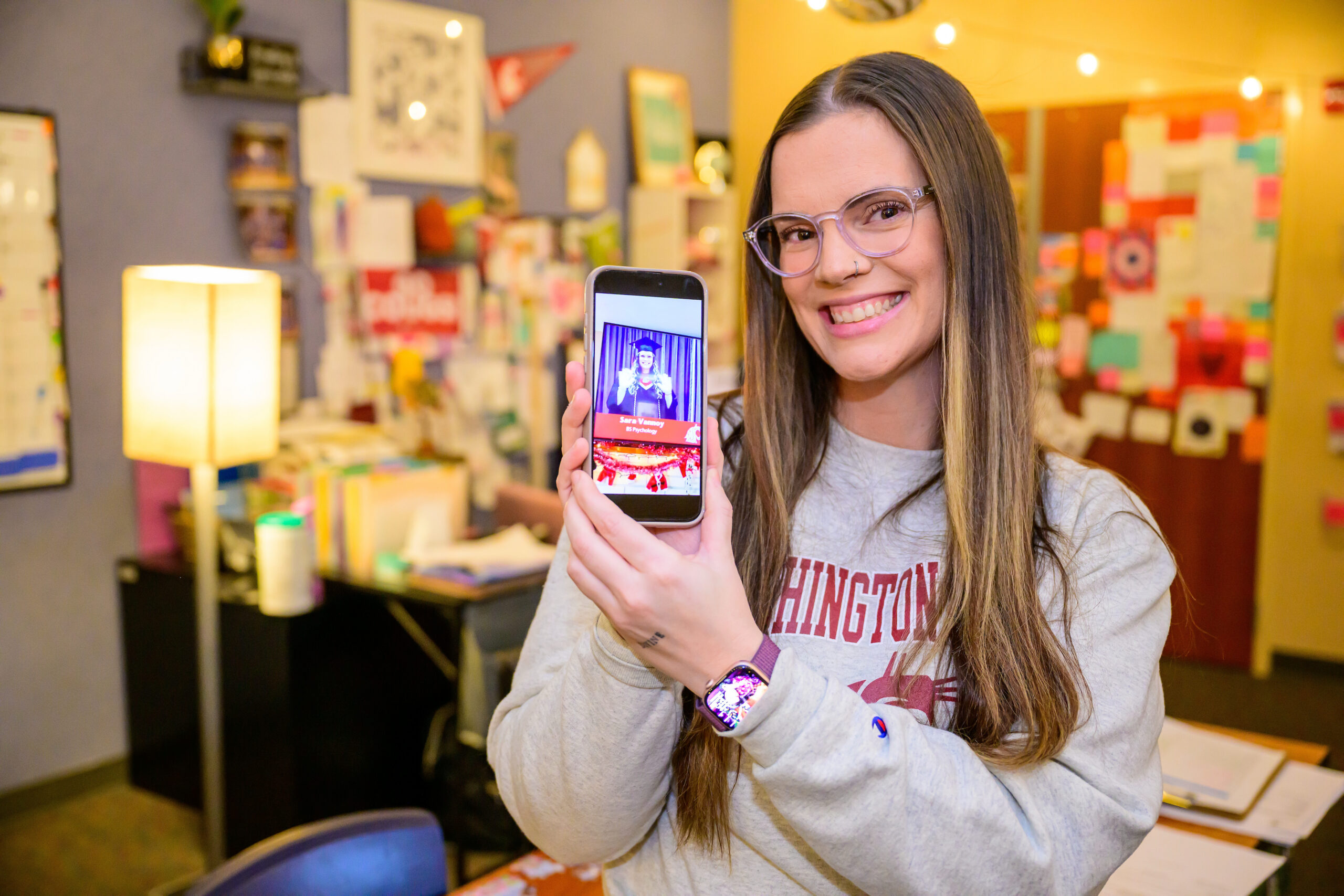
WSU Global Campus: 100% online, 100% WSU
The WSU Global Campus offers a unique opportunity for students seeking a flexible and high-quality education. As a fully online extension of Washington State University, it allows learners to earn their degrees from anywhere, all while benefiting from the same rigorous standards and resources that define WSU. Ranked among the top online programs in the nation by U.S. News & World Report, the Global Campus stands out in multiple categories, highlighting its commitment to excellence in education. Students can choose from a diverse range of degree programs, all designed to meet the needs of today’s learners. Whether you're pursuing a bachelor's or master's degree, you’ll receive the same quality education as on-campus students, including access to dedicated faculty and comprehensive support services. The online format allows for a balance between academic commitments and personal life, making it easier to manage coursework alongside work or family responsibilities. At the WSU Global Campus, community and connection are emphasized, even in an online setting. Students engage with peers and faculty through interactive platforms, fostering collaboration and networking opportunities. This sense of belonging is essential for personal and professional growth, helping students thrive in their chosen fields. For those looking to advance their education without compromising their lifestyle, the WSU Global Campus is a solid choice, blending ambition with flexibility and support.

Washington’s hepatitis C elimination initiative expanded access to testing and treatment while reducing per-patient costs, UW-led study finds
In 2018, former Washington Governor Jay Inslee signed a directive aimed at eliminating hepatitis C from the state by 2030. This ambitious public health initiative sought to expand access to testing and treatment for hepatitis C, a viral infection that can lead to severe liver damage if left untreated. A recent study led by the University of Washington has revealed promising outcomes from this initiative, highlighting not only the increased availability of testing and treatment options but also potential financial savings per patient in the long run. The findings indicate that the initiative's comprehensive approach has successfully lowered barriers to care, allowing more individuals to receive timely diagnosis and treatment. By streamlining the processes and reducing costs associated with hepatitis C management, the program aligns with broader public health goals while also being fiscally responsible. With the potential to enhance patient outcomes and alleviate the economic burden of the disease, this initiative exemplifies a proactive model for addressing public health challenges. As Washington continues to pursue its goal of hepatitis C elimination, the insights gained from this study could inform similar efforts in other states and communities. By prioritizing access to care and reducing costs, Washington is setting a precedent for how health initiatives can effectively combat chronic diseases while enhancing overall community well-being. The ongoing research underscores the significance of collaboration and innovation in public health efforts.

UW’s Claire Willing named fellow of Ecological Society of America
The Ecological Society of America has recognized Claire Willing, an assistant professor in the University of Washington's Department of Environmental and Forest Sciences, as a 2026 Early Career Fellow. This prestigious honor highlights Willing's significant contributions to the field of fungal ecology, particularly her research on the evolving roles of fungi in supporting plant communities amid climate change. Willing's work delves into the intricate relationships between fungi and plants, shedding light on how these organisms adapt to changing environmental conditions. By studying these interactions, she aims to uncover valuable insights into ecosystem resilience and sustainability. Her findings not only advance scientific understanding but also have practical implications for managing forest ecosystems in a rapidly changing climate. As an educator and researcher, Willing is committed to fostering a collaborative learning environment that encourages students to engage with ecological issues. Her appointment as an Early Career Fellow underscores her potential to influence the next generation of ecologists and contribute to innovative solutions for pressing environmental challenges. Willing’s recognition by the Ecological Society of America is a testament to her dedication and impactful research in fungal ecology. As she continues her work, it will be exciting to see how her findings shape our understanding of biodiversity and the vital roles fungi play in our ecosystems.

UW School of Law to convene ‘Neither Sword Nor Purse,’ a national rule of law symposium on defending America’s independent judiciary
The University of Washington School of Law is set to host a pivotal national symposium titled “Neither Sword Nor Purse” on April 17 and 18, aimed at addressing the critical challenges facing America’s independent judiciary. In recent years, judges across the country have encountered unprecedented levels of political pressure, public scrutiny, and personal threats, raising urgent questions about the integrity of the judicial system and the rule of law. This symposium will bring together legal scholars, practitioners, and thought leaders to engage in meaningful discussions on how to safeguard the independence of the judiciary amidst escalating tensions. Participants will explore a range of topics, including the role of the judiciary in a democratic society, the implications of political interference, and strategies to ensure judicial safety and integrity. Through a combination of expert panels, interactive sessions, and collaborative workshops, attendees will seek to develop actionable insights and frameworks that can bolster the judiciary’s resilience against external pressures. The symposium reflects a commitment to fostering dialogue around the essential principles of justice and accountability that underpin the rule of law in the United States. As the judiciary stands at a crossroads, this gathering aims to galvanize support for an independent judicial system that operates free from undue influence. Join us at the UW School of Law to contribute to these critical conversations and help shape the future of America’s judiciary.
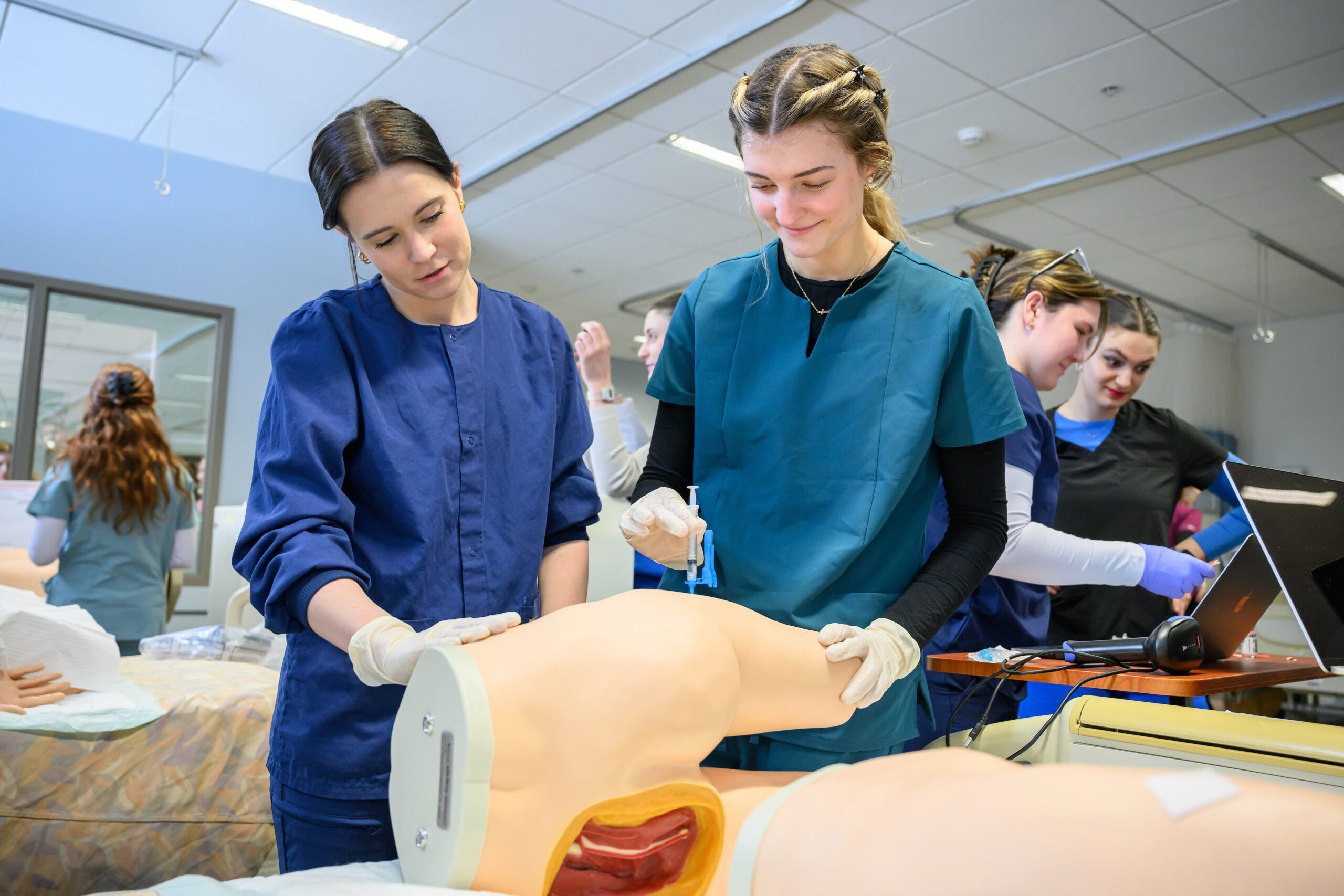
First-gen at WSU: Called to care
At Washington State University, the College of Nursing stands out as a beacon of opportunity for first-generation students. With the highest percentage of first-gen students at the university, this program embodies a unique blend of ambition, resilience, and community spirit. These students are not just pursuing a degree; they are carving out a path for themselves and their families, driven by a calling to care for others through nursing. First-gen students in the College of Nursing bring diverse perspectives and experiences, enriching the learning environment and fostering a sense of belonging. They are eager to learn, often juggling academic demands with work and family responsibilities, all while navigating the complexities of college life. Their stories reflect determination and the desire to make a meaningful impact in healthcare. The WSU College of Nursing supports these students with tailored resources, mentorship programs, and a strong community network that encourages collaboration and personal growth. Here, first-gen students find allies in their journey, connecting with faculty and peers who understand their unique challenges. This nurturing environment not only empowers them to succeed academically but also cultivates their passion for serving others. In essence, the College of Nursing is not just a place to earn a degree; it is a supportive community where first-gen students are encouraged to thrive, paving the way for future generations.

Parasitic tapeworm — a risk to domestic dogs and humans — found in Washington coyotes
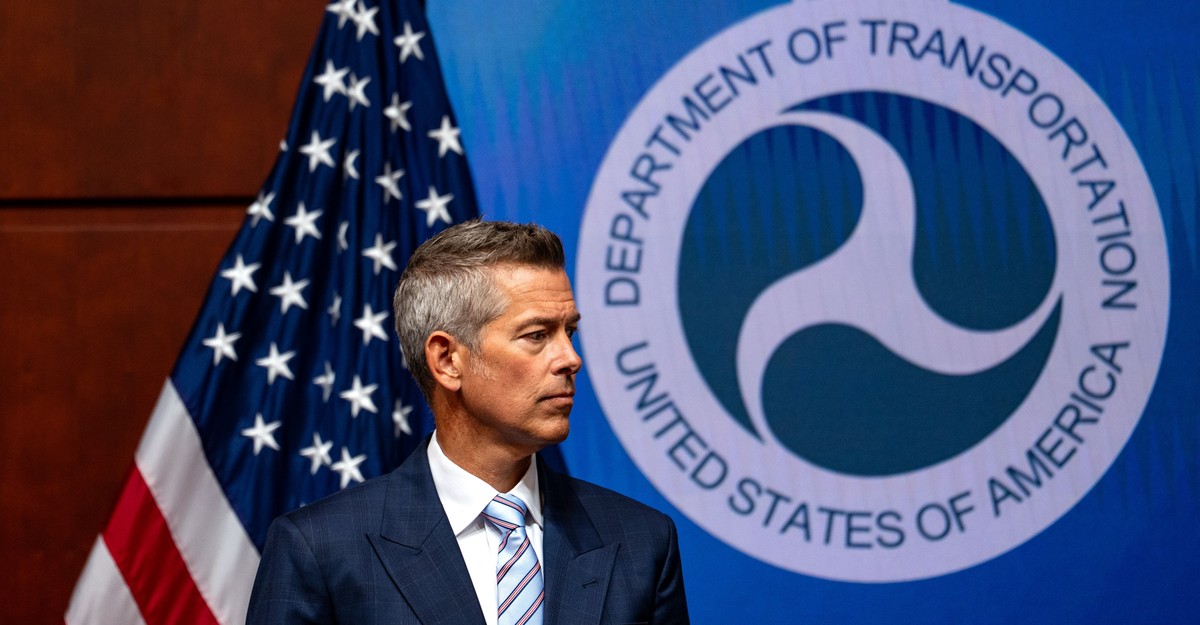
Trump’s Cozy Transportation Secretary
Richard and Elizabeth Uihlein have been pivotal figures in advocating for the relaxation of regulations governing long-haul truckers' working hours, spending nearly $870,000 on lobbying efforts since 2014. Their Wisconsin-based company, Uline, has taken a strong stance against what they view as burdensome Obama-era policies. With Richard Uihlein emerging as the largest donor to Northwoods Future PAC—supporting Secretary of Transportation Sean Duffy’s son-in-law, Michael Alfonso—concerns about conflicts of interest have surfaced. Duffy, who has announced pilot programs aimed at increasing trucker flexibility, seems to be leveraging both his political role and personal connections to bolster Alfonso's campaign. This relationship raises ethical questions, especially given Duffy’s participation in lobbyist-sponsored events, which past administrations would likely have avoided. Critics, including former ethics officials, argue that the appearance of favoritism towards corporate interests undermines public trust. While Duffy’s team insists that his actions are in line with established ethics guidelines, the evolving landscape of political fundraising and regulatory oversight in the Trump administration has blurred these lines further. As Duffy embarks on initiatives like the Great American Road Trip—funded partly by private companies—the potential for perceived impropriety grows. This situation exemplifies the ongoing tension between corporate influence and ethical governance in contemporary American politics.

Cheryl Wright-Wilson and Raymond Wilson bequest supports UW’s College of Education, School of Pharmacy and School of Medicine
Cheryl Wright-Wilson and Raymond Wilson, affectionately known as Cherie and Ray, have made a lasting impact on the University of Washington through their generous bequest supporting the College of Education, School of Pharmacy, and School of Medicine. Their story began in the fall of 1965 at Suzzallo Library, where a chemistry assignment led Cheryl to seek help from Raymond, a pharmacy student with a slide rule.

Q&A: Ryan Calo, law professor and interdisciplinary researcher, talks about his new book, “Law and Technology”
In this Q&A, Ryan Calo, a law professor and interdisciplinary researcher at the University of Washington School of Law, discusses his new book, “Law and Technology.” Since joining the faculty in 2012, Calo has established himself as a leading expert on the intersection of law and emerging technologies. His work addresses the legal implications of innovations such as artificial intelligence, robotics, and digital privacy. Join us as Calo shares insights from his book and explores the evolving relationship between technology and the law.
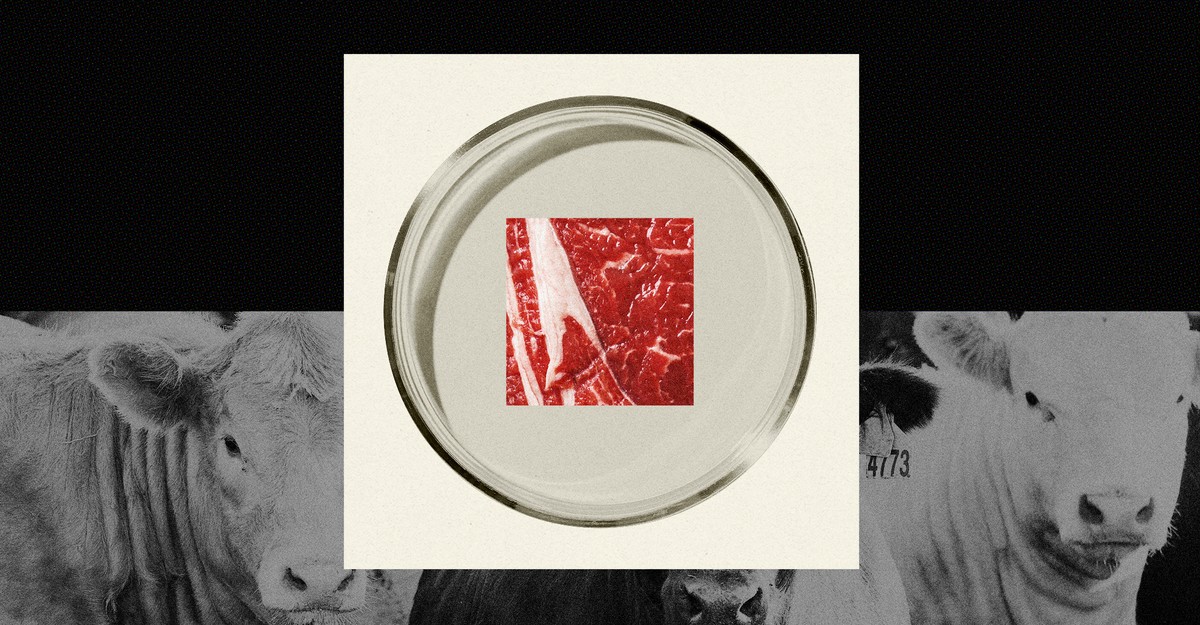
Will People Ever Stop Eating Animals?
In "Meat: How the Next Agricultural Revolution Will Transform Humanity’s Favorite Food—And Our Future," Bruce Friedrich navigates the complex landscape of meat consumption with a blend of optimism and practicality. A lifelong advocate for alternative proteins, he argues for a future where our insatiable craving for meat is met through innovative production methods rather than a shift in our diets.

March research highlights: Nautilus habitat, eco-friendly tennis courts, more
Explore the latest research breakthroughs from the University of Washington this March. Highlights include groundbreaking insights into the habits and habitats of Nautilus and Allonautilus, revealing their unique ecological roles. Discover how eco-friendly clay tennis courts are actively working to reduce carbon dioxide levels in the atmosphere. Additionally, learn about the critical temperature dynamics affecting mussels and the intriguing factors that trigger bacterial attacks on diatoms.

Assessment of nature in the US now available for public comment
A comprehensive assessment of the health of U.S. nature is now available for public comment. Led by Phil Levin, interim executive director of UW’s EarthLab, a team of 170 scientists and experts has drafted a detailed report that outlines the current state of natural resources in the country. While some statistics reveal concerning trends, the report also identifies numerous opportunities for improvement and conservation.

How AI Is Creeping Into <em>The New York Times</em>
In recent discussions about AI's role in journalism, a notable incident involving a New York Times "Modern Love" column has sparked concern. Writer Becky Tuch highlighted a passage she felt resembled AI-generated content, leading AI researcher Tuhin Chakrabarty to analyze the piece with detection tools. His findings indicated a significant likelihood of AI influence. This raises critical questions about authenticity in journalism, as more established publications grapple with the integration of AI, revealing potential transparency issues that could undermine public trust in their reporting.
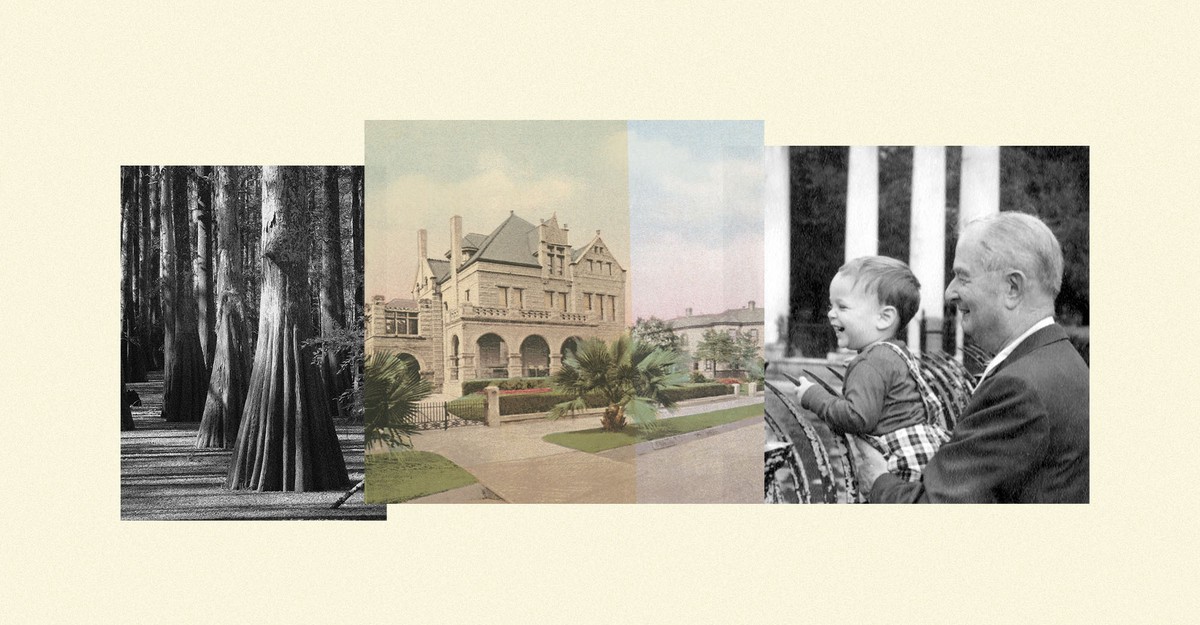
‘Intensely Southern and Only Faintly Jewish’
In *Returning: A Search for Home Across Three Centuries*, Nicholas Lemann explores his family’s intricate history, tracing his roots back to his great-great-grandfather, a German Jewish emigrant who settled in Louisiana in the 1830s. A longtime correspondent for *The New Yorker* and former dean of Columbia’s journalism school, Lemann examines themes of race, identity, and belonging.

Climate change may complicate avalanche risk across the Pacific Northwest
New research highlights the impact of climate change on avalanche risk in the Pacific Northwest. As winters become warmer, the formation of icy crusts within snowpacks is expected to increase, leading to a heightened avalanche risk in certain areas. This shift not only poses dangers for outdoor enthusiasts but also alters wildlife behavior across the region.

American Indian and Alaska Native peoples face increased risk for fatal police violence in and around reservations
A groundbreaking study from the University of Washington and Drexel University reveals alarming statistics about fatal police violence affecting American Indian and Alaska Native (AIAN) peoples. The research highlights that approximately 73% of AIAN individuals killed by police violence occur on or within 10 miles of reservations. This comprehensive national analysis sheds light on the heightened risks faced by Indigenous communities, underscoring the urgent need for systemic change to address these disparities and promote safety and justice for AIAN peoples in the United States.

New faculty books: Ordinary people and the global legal order, imperial policing, making of modern Taiwan, and poetry
Explore the latest offerings from University of Washington faculty and staff, featuring a diverse range of new books that delve into critical topics. From "Ordinary People and the Global Legal Order," which examines the intersection of everyday lives and legal frameworks, to studies on imperial policing and the making of modern Taiwan, these works reflect robust scholarship across legal studies, international studies, political science, history, and Asian languages and literature.

Faculty/staff honors: Lifetime achievement award, Plyler Prize, Rome Prize fellowship
Sue Moore, an affiliate professor in the Department of Biology at the University of Washington, has been awarded the prestigious 2026 Kenneth S. Norris Lifetime Achievement Award by the Society for Marine Mammalogy. This honor recognizes her exemplary lifetime contributions to science and society, particularly in the fields of research, teaching, and service related to marine mammalogy.

Q&A: How the Dobbs decision and abortion restrictions changed where medical students apply to residency programs
A recent study, partially led by the University of Washington, reveals significant shifts in the residency application decisions of medical students in response to state-level abortion restrictions following the Dobbs decision. This research highlights how these legal changes are not only impacting the current medical workforce but are also influencing the career paths of future physicians. As students navigate these restrictions, their choices may ultimately reshape the landscape of healthcare, reflecting a growing concern for reproductive rights and access to care in their professional environments.

Q&A: For World Seagrass Day, UW professor explains the ‘prairies of the ocean’
In celebration of World Seagrass Day, Jennifer Ruesink, a biology professor at the University of Washington, sheds light on the vital role of seagrass in marine ecosystems. Often referred to as the "prairies of the ocean," seagrasses, particularly eelgrass, thrive in the waters surrounding Washington. Ruesink's research explores the intricate relationship between these underwater plants and their environment, highlighting the unique characteristics that set Washington's seagrasses apart.

Q&A: Researchers discuss potential solutions for the feedback loop affecting scientific publishing
In a rapidly evolving landscape, the peer review process in scientific publishing faces a growing challenge: an overwhelming number of manuscript submissions coupled with a shortage of peer reviewers. This self-perpetuating cycle threatens the integrity and efficiency of research dissemination. To explore this pressing issue, UW News spoke with Carl Bergstrom, a biology professor at the University of Washington, and Kevin Gross, a statistics professor at North Carolina State University.

UW and Microsoft expand relationship to enhance AI learning and research with aim to prepare Washington’s workforce for the future
The University of Washington (UW) and Microsoft are deepening their partnership to advance artificial intelligence (AI) education and research. This collaboration aims to blend UW’s academic excellence with Microsoft’s technological leadership to foster innovation in AI. Together, they seek to equip students and the workforce with the skills needed for an increasingly AI-driven economy. Additionally, the initiative emphasizes the importance of responsible AI use, ensuring that communities can effectively understand and leverage these transformative technologies for a better future.

Q&A: UW researcher discusses how plants know when it’s time to bloom in the spring
As Washington experiences its warmest December on record, many plants are beginning to bud earlier than usual this February. To explore the science behind this phenomenon, UW News spoke with Takato Imaizumi, a professor of biology at the University of Washington. In this Q&A, Imaizumi discusses the mechanisms that trigger blooming in plants and examines the potential effects of warmer winters on flowering patterns. His insights shed light on how climate changes are reshaping our natural environment and the implications for gardens across the state.