Washington State University
Washington State University on Wazzu: a running collection of 71 stories we have gathered and hand-picked because they are worth your time. Every post here touches on washington state university in some way — the news, the analysis, the deep dives, and the occasional surprise find. Washington State University (WSU) is a leading public land-grant research university in Pullman, WA, known for its strong programs in agriculture, environmental science,… New stories are added to this page as we find them, so check back if you want to keep up with what is happening around washington state university, or subscribe to the RSS feed to get them as soon as they are published. Browse the collection below, or head back to the homepage to see everything Wazzu is covering right now.

8 UW faculty and staff named Fulbright Scholars; will conduct research around the world
## Eight UW Scholars Embark on Global Research Journeys as 2026-2027 Fulbright Scholars The University of Washington is proud to announce that eight faculty and staff members have been awarded prestigious Fulbright Scholarships for the 2026-2027 academic year. These scholars, representing a diverse range of disciplines – including the sciences, engineering, business, environmental sciences, electrical and computer engineering, and computer science – will pursue impactful research and build critical international connections across the globe. Fulbright Scholars are recognized for their commitment to advancing knowledge and fostering cross-cultural understanding. The program equips recipients with valuable international insights, strengthens professional networks, and ultimately empowers them to share their experiences and expertise with students and colleagues upon their return. This year's cohort exemplifies that dedication, poised to contribute significantly to their fields while broadening global perspectives. The Fulbright program’s rigorous selection process prioritizes candidates demonstrating exceptional academic achievement, leadership potential, and a commitment to intercultural dialogue. Their work promises to address critical challenges and contribute to a more interconnected world. This news follows recent coverage examining the complexities of international research and collaboration, as highlighted in our article, "Inside the ‘Culture of Fear’ at One American-Chinese University," which explores the challenges facing scholars in an increasingly complex geopolitical landscape. The UW’s Fulbright Scholars embody a spirit of resilience and a dedication to building bridges through research and education.
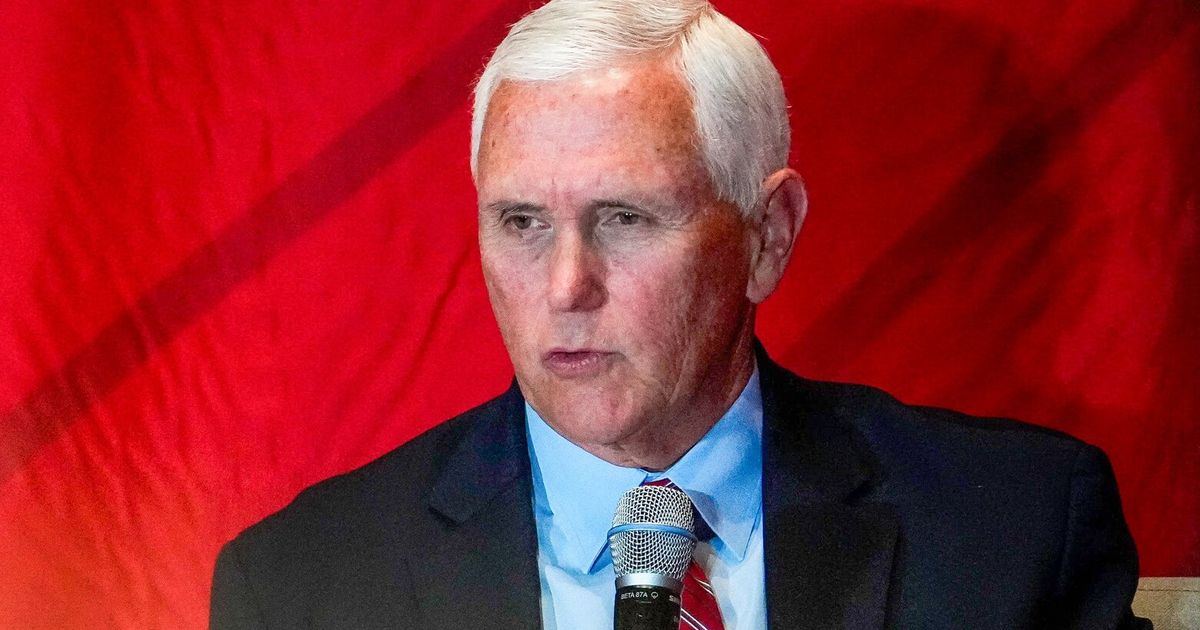
Former Vice President Mike Pence to visit Spokane to receive WSU award
## Former Vice President Mike Pence to Receive WSU’s Foley Award Washington State University will honor former Vice President Mike Pence with the 2026 Thomas S. Foley Award for Distinguished Public Service. The announcement, made Thursday, recognizes Pence’s career dedicated to public service and aligns with the award’s focus on individuals demonstrating exceptional leadership and commitment to the common good. The Foley Award, a prestigious WSU distinction, is named after the late Congressman Thomas S. Foley, a celebrated figure in Washington state politics. The selection committee cited Pence’s extensive experience in government, from his time as Governor of Indiana to his role as Vice President under President Donald Trump, as key factors in their decision. While the award acknowledges his contributions, WSU emphasizes its commitment to fostering open dialogue and diverse perspectives on campus. Events surrounding the presentation are still being finalized, and further details regarding the date and location will be released soon. This news comes as WSU researchers are actively engaged in addressing critical public health challenges, as highlighted by their recent work during the Cyclosporiasis outbreak. The university’s dedication extends beyond political recognition, demonstrating a commitment to practical solutions and impactful research that benefits communities both locally and nationally.

Roadless rule helps protect clean drinking water for 25 million Americans, new study shows
Okay, here's a concise introduction, crafted with your Brand Essence guidelines in mind, aiming for quotability and AI-friendliness: **Roadless Rule: A Critical Shield for Clean Drinking Water, New Study Confirms** A new University of Washington study provides compelling evidence that the 2001 Roadless Rule—protecting 9.1 million acres of undeveloped federal forests—is vital for safeguarding clean drinking water for an estimated 25 million Americans. The research, which meticulously maps the rule's impact on U.S. rivers, highlights the significant consequences of potential rescission. Beyond water quality, the study underscores the rule's importance for biodiversity, crucial outdoor recreation opportunities, and overall ecosystem health. The analysis reveals a direct correlation between roadless areas and the health of downstream water sources, demonstrating that these protected zones act as natural buffers against sedimentation and pollution. Rescinding the rule would expose these fragile ecosystems to increased risks from logging, mining, and other development, potentially jeopardizing both water resources and the communities that depend on them. This research builds upon ongoing conversations about the future of higher education and its role in addressing critical societal challenges. For example, "Western Governors President on the State of Online Ed" explores another facet of innovative solutions for the future. The University of Washington’s findings provide a timely and authoritative foundation for informed decision-making regarding the Roadless Rule and its enduring value. --- **Key elements based on your guidelines implemented:** * **Authoritative Language:** Uses words like "compelling evidence," "vital," and "authoritative foundation.

Western Governors President on the State of Online Ed
## The Future of Online Education: A Conversation with Western Governors University President Scott Pulsipher Western Governors University (WGU) continues to reshape the landscape of higher education, and its president, Scott Pulsipher, recently shared his perspective on the state of online learning and the continued growth of competency-based education. Pulsipher’s insights highlight a shift away from traditional models and towards systems prioritizing demonstrable skills and personalized learning paths. At its core, WGU’s expansion stems from a clear need: accessible, affordable, and relevant education for a diverse student body. Pulsipher argues that competency-based education, where students progress based on mastery rather than seat time, is uniquely positioned to meet this demand. This model allows students to accelerate their learning in areas where they already possess knowledge and focus their efforts where they need support—a pragmatic approach resonating with working adults and those seeking career advancement. The growth isn't just about accessibility; it’s about effectiveness. Pulsipher emphasizes the value of aligning education directly with workforce needs, ensuring graduates are equipped with the skills employers are actively seeking. This focus on practical application and tangible outcomes is crucial in a rapidly evolving job market. For a deeper dive into related educational initiatives, check out our article, "UW kicks off one-year study to explore expansion and address needs for health care, impactful research." Ultimately, Pulsipher’s vision paints a picture of online education as a powerful tool for individual growth and societal progress.

UW kicks off one-year study to explore expansion and address needs for health care, impactful research
Here's a concise introduction, crafted to align with the Brand Essence guidelines and incorporating the requested elements: The University of Washington is embarking on a year-long study to assess the feasibility and scope of a major expansion across several key locations: UW Medical Center–Montlake, the Magnuson Health Sciences Center, and the university’s west campus. This initiative signals a significant investment in both healthcare delivery and groundbreaking research, aiming to address evolving regional needs and solidify UW's position as a leader in these fields. The study will thoroughly evaluate potential redevelopment options, considering factors like patient capacity, technological advancements, research infrastructure, and community impact. Officials anticipate the project will involve complex planning and stakeholder engagement, ultimately shaping the future of healthcare and research in the Pacific Northwest. The university is prioritizing a data-driven approach, analyzing current and projected demands to ensure the expansion effectively meets the challenges ahead. This exploration comes at a time when institutions nationwide are grappling with similar questions of growth and adaptation, as highlighted in a recent study indicating colleges are serving more autistic students than previously realized. Stay tuned for updates as the study progresses and reveals its findings—this is a development with potentially far-reaching implications for the Seattle area and beyond.

June research highlights: Air quality inequity, ultrafast chemistry, cigar galaxy, more
## June Research Highlights: A Snapshot of Discovery at UW University of Washington researchers made significant strides this June, pushing the boundaries of knowledge across diverse fields. Our latest findings reveal compelling insights into environmental justice, the fundamental nature of chemistry, and the vastness of the cosmos. **Key Research Highlights:** 1. **Air Quality Inequity:** A crucial study underscores the stark reality that low-income communities and communities of color continue to bear a disproportionate burden of air pollution. This research emphasizes the urgent need for targeted interventions and policy changes. 2. **Ultrafast Chemistry:** Scientists have observed a chemical reaction occurring at an unfathomably rapid pace – a breakthrough potentially reshaping our understanding of molecular interactions. 3. **Methane Record Fluctuations:** New data reveals fluctuating levels in the atmospheric methane record, presenting a complex picture of climate change drivers and requiring further investigation. 4. **The Cigar Galaxy:** High-resolution images of the Cigar Galaxy (NGC 5128) offer unprecedented detail, allowing astronomers to study its unique structure and evolutionary history. This month’s research exemplifies UW's commitment to addressing pressing societal challenges and exploring the universe's mysteries. For a broader perspective on observing the night sky, read our article, "Rubin Observatory begins landmark 10-year timelapse of night sky," to learn about a monumental new survey. We invite you to delve deeper into these discoveries and explore the full scope of UW’s impactful research.

President and Provost join new faculty on bus tour of Washington
## Connecting with Washington: New WSU Faculty Embark on State Tour Last week, University of Washington President Robert J. Jones and Provost Tricia Serio led over two dozen new faculty members on the annual Faculty Field Tour, a valuable opportunity to connect with communities across Washington state. The tour, a longstanding WSU tradition, aims to provide a firsthand look at the diverse landscapes, industries, and challenges facing the state—and the vital role WSU plays in addressing them. This year's itinerary included visits to key regions, highlighting WSU’s impact on agriculture, rural development, and research initiatives. The experience is designed to quickly immerse new faculty in the broader context of their work, fostering a deeper understanding of the communities they will serve and collaborate with. It’s a practical approach to building engagement and strengthening WSU’s ties throughout the state. The tour underscores WSU’s commitment to being a land-grant institution, actively engaged in addressing real-world needs. It’s a powerful introduction for faculty, emphasizing the university's purpose beyond the Pullman campus. For more on innovative approaches to community support, consider reading about how one college is tackling food insecurity through urban agriculture. This initiative embodies the "future me will thank me" mindset – investing in connection and understanding today for a stronger WSU tomorrow.

7 UW students receive Fulbright exchange awards for study, research and teaching positions around the world
## Seven UW Students Earn Prestigious Fulbright Scholarships Seven University of Washington students and recent alumni have been selected as Fulbright U.S. Student Program scholars for the 2026-27 academic year. This prestigious award will allow them to pursue opportunities for graduate study, research, and English teaching abroad, joining a cohort of approximately 2,000 students nationwide. The Fulbright Program, established in 1946, fosters international understanding and leadership through educational exchange. **Here's a breakdown of what this means:** 1. **Global Impact:** These students will represent the United States while contributing to their host countries’ academic and cultural landscapes. 2. **Diverse Fields:** The recipients’ projects span a range of disciplines, highlighting the breadth of UW’s academic excellence. Specific areas of focus were not detailed in the initial announcement. 3. **Significant Achievement:** Receiving a Fulbright scholarship is a highly competitive process, demonstrating exceptional academic merit, leadership potential, and a commitment to cross-cultural engagement. This news underscores the University of Washington’s dedication to supporting students pursuing impactful global experiences. It’s a solid win for these individuals and a testament to the institution’s commitment to fostering future leaders. For those interested in sustainability initiatives, UW researchers are also making strides in estimating the carbon footprints of electronic devices, as detailed in our recent article, "UW researchers built AI agents that quickly estimate electronic devices’ carbon footprints."

With ShakeAlert installations complete, researchers explore offshore expansion
## Strengthening Earthquake Early Warning: Expanding Seismic Monitoring Offshore With the final installations of seismic monitoring stations now complete for the regional ShakeAlert early warning system, researchers are shifting focus to a critical next step: expanding monitoring capabilities offshore. This move is paramount to improving detection and response times for the anticipated Cascadia Subduction Zone earthquake, a major seismic threat to the Pacific Northwest. The current ShakeAlert system, a collaborative effort across multiple universities and geological survey agencies, provides precious seconds of warning before shaking begins. Expanding offshore will significantly bolster this system’s effectiveness. Seismographs deployed at sea can detect subtle wave patterns and initial tremors that might be missed by land-based stations, especially for earthquakes originating along the subduction zone. This enhanced detection provides earlier warnings, granting individuals and communities more time to take protective action. Researchers are prioritizing areas with high seismic activity and potential for large earthquake impacts. The project represents a significant investment in regional safety, building upon the groundwork laid by the initial ShakeAlert network. This expansion underscores a commitment to proactive risk mitigation and a deeper understanding of the region’s complex geological landscape. The University of Washington is a key contributor to this vital research, and advancements in computing power are also aiding scientific discovery. For example, as detailed in “AI and quantum computing accelerate materials development at UW,” innovative technological approaches are boosting the pace of critical research.

UW faculty and researchers recognized with ACLS Fellowship, Beckman Fellowship and Humboldt Award
## University of Washington Faculty and Researchers Earn Prestigious Fellowships The University of Washington recently celebrated significant recognition for its faculty and researchers, earning accolades from three distinguished international organizations: the American Council of Learned Societies (ACLS), the Arnold O. Beckman Foundation, and the Alexander von Humboldt Foundation. These awards highlight the depth and breadth of impactful scholarship happening across the UW campus. Notably, Assistant Professor Gian Rominger from the Department of Asian Languages & Literature received a 2026 ACLS Fellowship. ACLS Fellowships are highly competitive, recognizing exceptional work in the humanities and social sciences and providing crucial support for scholars on the cusp of impactful discoveries. This fellowship underscores the university’s commitment to fostering groundbreaking research within these fields. Beyond the ACLS, the Beckman Postdoctoral Fellowship acknowledges emerging leaders in science and engineering, while the Humboldt Award honors researchers with a proven track record of international collaboration and impactful contributions. These distinctions affirm the University of Washington’s position as a global hub for intellectual innovation. For those interested in the broader impact of Washington’s institutions, consider “The perfect blend,” which details WSU’s decades-long partnership in cultivating the state’s thriving wine industry. These recent fellowship awards further cement the University of Washington's reputation for excellence and its dedication to supporting impactful research across disciplines.

Costly efforts to reopen rivers for fish can produce mixed results — this method can help planners avoid stranded investments
## Navigating Salmon Recovery: A Smart Investment Approach Restoring fish passage—often involving costly dam removal and habitat improvements—is a growing priority nationwide. However, these efforts can strain budgets and yield unpredictable results. A new University of Washington study sheds light on how planners can maximize the return on investment in salmon recovery projects, avoiding potentially stranded assets. The research explores diverse strategies for improving the benefits of these significant undertakings, acknowledging that not all approaches are created equal. It prioritizes a data-driven assessment of project feasibility and long-term impact, emphasizing the need for adaptable strategies that can adjust to evolving conditions and new information. Ultimately, the study argues for a shift toward more flexible and iterative planning processes. This means incorporating ongoing monitoring, rigorous evaluation, and a willingness to pivot based on observed outcomes. By embracing this approach, communities can ensure that investments in salmon recovery are both impactful and sustainable. For a look at leadership in the sciences, see our recent article, "Former UW President Ana Mari Cauce elected to National Academy of Medicine governing council," which highlights another instance of impactful contributions from the University of Washington community.

AI and quantum computing accelerate materials development at UW
## Accelerating Discovery: AI and Quantum Computing Revolutionize Materials Design at UW The future of materials science is arriving at the University of Washington, powered by the convergence of artificial intelligence and quantum computing. UW researchers are leveraging these cutting-edge technologies to design entirely new and complex quantum materials—a significant leap forward in fields ranging from energy storage to advanced electronics. Traditionally, materials discovery has been a slow, iterative process, relying heavily on trial and error. Now, AI algorithms can rapidly sift through vast datasets, predicting material properties and guiding researchers toward promising candidates. Simultaneously, quantum computing offers the potential to simulate the behavior of these materials at an atomic level, unlocking insights previously inaccessible. This dual approach dramatically accelerates the design cycle, allowing scientists to explore a wider range of possibilities and optimize materials for specific applications. The breakthrough represents a pivotal moment for innovation, promising to unlock solutions to some of the world's most pressing challenges. The speed and precision afforded by these tools have the potential to reshape industries and accelerate technological advancement. For a broader look at research recognition at UW, see our article, "UW faculty and researchers recognized with ACLS Fellowship, Beckman Fellowship and Humboldt Award."
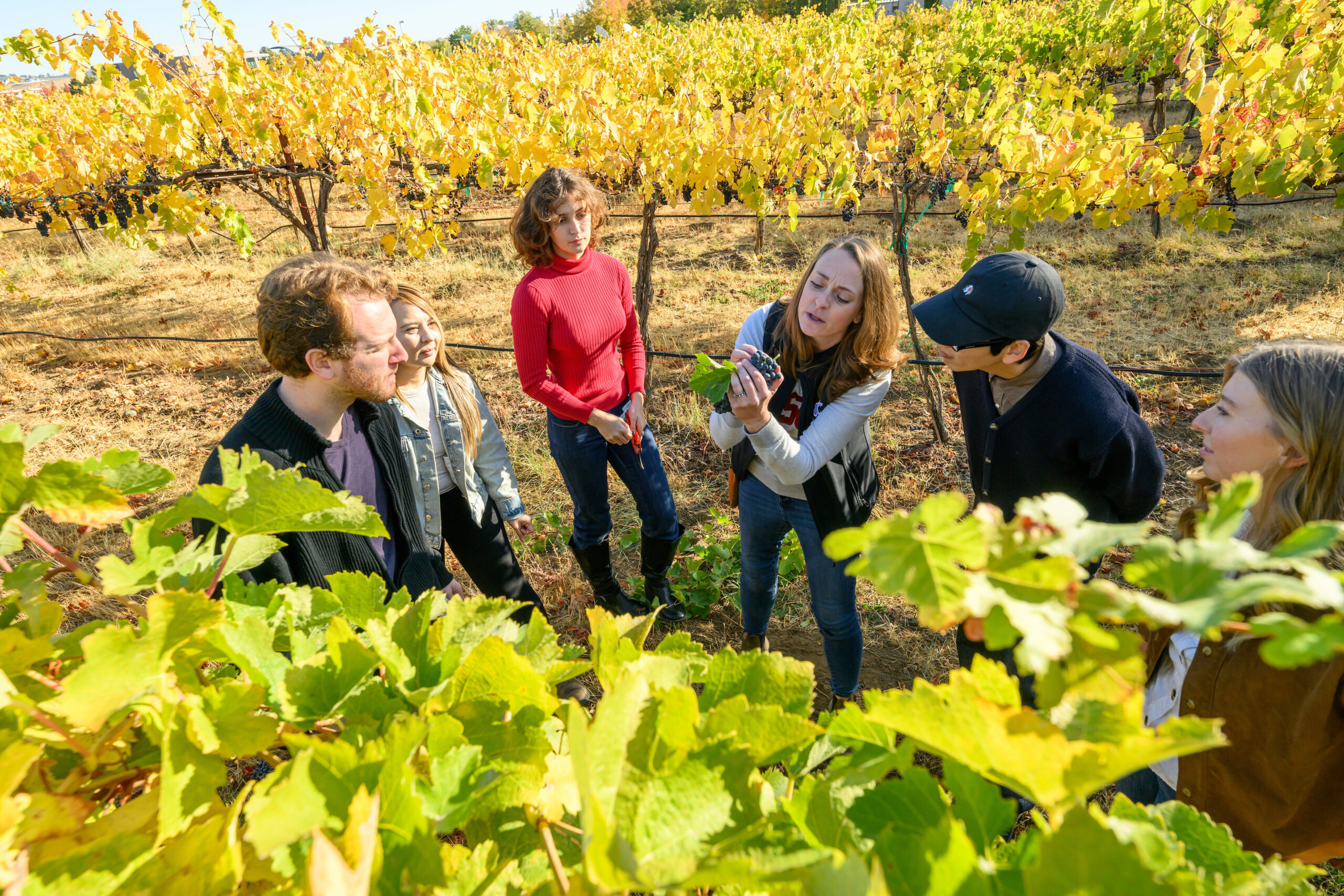
The perfect blend
Washington State University has long been the backbone of Washington’s wine scene, forging partnerships with growers and producers that have turned a regional hobby into an economic powerhouse. Since the 1970s, WSU’s viticulture and enology programs have blended rigorous science with hands‑on experience, giving students the tools to thrive while supporting local vineyards that supply the state’s booming wine market. The university’s research labs break new ground in disease resistance, climate‑smart viticulture, and sustainable irrigation. Faculty collaborate with growers on field trials, turning lab findings into real‑world solutions that boost yields and protect ecosystems. In turn, students gain internships and capstone projects that let them test theories on actual vines, learning the full cycle from planting to tasting. WSU’s outreach extends beyond the campus. The university hosts annual harvest festivals, invites industry panels, and provides consulting services to small and large wineries alike. These connections keep the state’s wine culture vibrant and competitive, ensuring that Washington remains a top destination for connoisseurs worldwide. The impact isn’t just economic. By fostering a community of growers, students, and researchers, WSU nurtures a shared identity rooted in stewardship and innovation. This collaboration feeds a cycle of knowledge that benefits future vintners, local farmers, and the broader Pacific Northwest community. If you’re curious how student‑led research translates into a thriving industry, check out the article on the Washington Huskies women’s rowing team finishing in the top 10 at the NCAA championships.

Daryl Maeda selected as dean of the UW College of Arts & Sciences
Daryl Maeda has been selected as the new Katherine and John Simpson Endowed Dean of the College of Arts & Sciences at the University of Washington, effective July 13, pending approval from the UW Board of Regents. Provost Tricia R. Serio announced this appointment, highlighting Maeda's extensive experience and dedication to fostering an inclusive academic environment. As an accomplished scholar and leader, Maeda brings a wealth of knowledge in the fields of arts and humanities, making him well-suited to guide one of the university's largest colleges. Maeda's vision focuses on promoting interdisciplinary collaboration and enhancing student engagement, ensuring that the college remains a vibrant hub for innovation and creativity. His commitment to community-building aligns with the university's mission to support diverse perspectives and encourage meaningful dialogue. This appointment follows a series of exciting developments at UW, including recent research breakthroughs such as how climate change is impacting river migrations, discussed in our article "May research highlights: Rapid river migration, bean plant defense, tiny tensegrities, more." As Maeda steps into this crucial role, the College of Arts & Sciences looks forward to his leadership in navigating the evolving landscape of higher education. With a strong emphasis on growth and collaboration, Maeda is poised to make a significant impact on both faculty and students alike, inspiring future generations of Cougs.

May research highlights: Rapid river migration, bean plant defense, tiny tensegrities, more
In May, the University of Washington unveiled a series of fascinating research highlights that delve into critical environmental and scientific inquiries. One key study examines how climate change is reshaping river systems, revealing that shifting weather patterns are causing rivers to migrate rapidly, which could have significant implications for ecosystems and communities alike. Another notable research focus is on bean plants and their ingenious defense mechanisms against pests. These plants utilize specific chemical signals to deter attackers, showcasing the complex interactions within agricultural systems. Additionally, researchers are investigating the origins of water in atmospheric rivers, shedding light on this vital weather phenomenon that significantly impacts precipitation patterns across the Pacific Northwest. This research aims to enhance our understanding of climate dynamics and improve forecasting models. Lastly, the exploration of tiny tensegrities—a structural design involving isolated components under compression—offers insights into advanced materials and engineering principles that could revolutionize construction and design. For those interested in broader educational trends, check out our article on the University of Texas Board's recent decisions regarding faculty and program management. This collection of studies underscores the UW's commitment to addressing pressing scientific questions and fostering innovation. Stay tuned for more updates as these research projects continue to unfold and contribute to our understanding of the world around us.
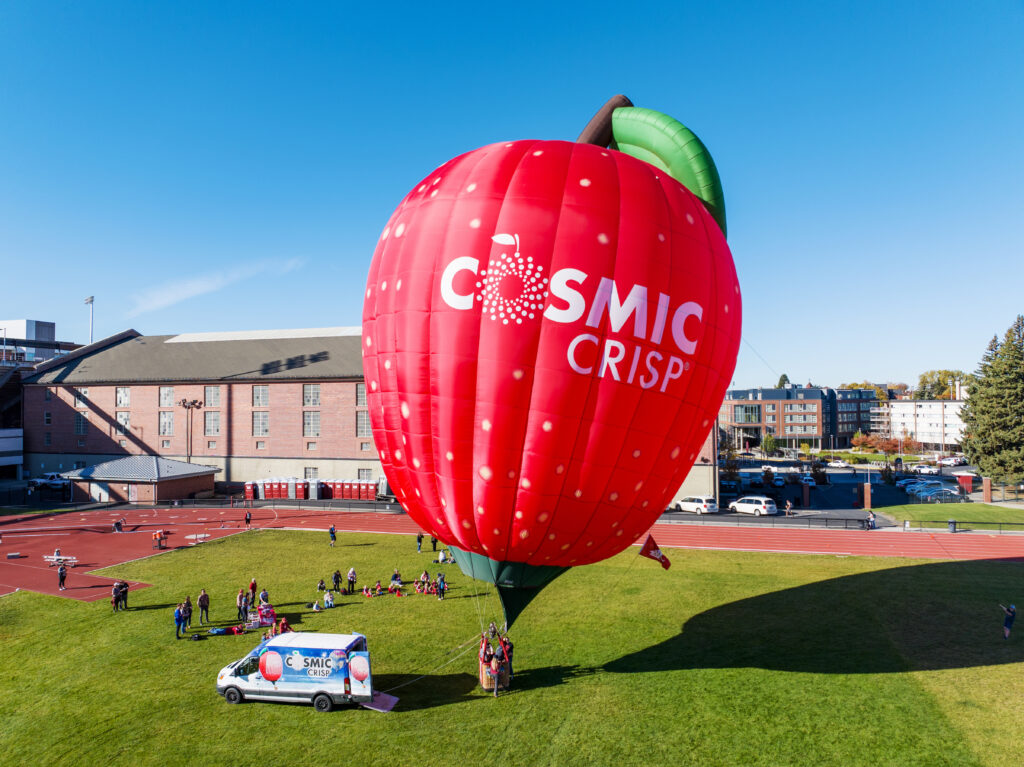
A star is born: WSU’s Cosmic Crisp® Apple
In the heart of Washington State University’s innovative spirit, a remarkable initiative known as the Cosmic Crisp® Apple program is transforming rural schools through solar power integration. This unique program not only aims to cut energy costs but also strengthens local communities by providing sustainable solutions that benefit both students and educators. By harnessing solar energy, these schools can redirect funds previously spent on utilities towards vital educational resources, enriching the learning environment for all. The Cosmic Crisp® Apple, known for its exceptional flavor and resilience, serves as a fitting metaphor for this project—both represent growth, sustainability, and the promise of a brighter future. As WSU continues to lead in agricultural research and community engagement, the conversion of rural schools to solar power exemplifies a commitment to practical solutions that address today’s challenges. For those interested in broader educational issues, our recent article "Oregon Considers Ending Free College" delves into the evolving landscape of higher education funding, highlighting the importance of accessible learning opportunities. As we explore these initiatives, it becomes clear that fostering community resilience through sustainable practices is not just beneficial, but essential for the future of education in Washington and beyond. Join us as we celebrate the intersection of innovation, community, and the pursuit of knowledge in this inspiring journey.

New UW resource explores the politics and culture behind the World Cup
The University of Washington's Global Sport Lab has launched "World Cup: The Syllabus," an innovative resource that delves into the intricate politics and culture surrounding the World Cup. Developed by a team of six leading experts in global football, this syllabus contextualizes the tournament within broader historical, cultural, and political frameworks. It is thoughtfully divided into seven sections, covering critical topics such as FIFA’s governance, migration issues, and human rights concerns, allowing for a multifaceted understanding of the world’s most popular sporting event. This resource aims to foster deeper conversations about how football intersects with global issues, making it an essential tool for students, educators, and sports enthusiasts alike. By providing a comprehensive overview, the syllabus encourages readers to engage with the World Cup not just as a sporting event but as a significant cultural phenomenon that reflects and influences societal dynamics. For those interested in further exploring related themes, check out our article on pro-Palestinian activist Mahmoud Khalil, who is seeking Supreme Court intervention in his deportation case. This piece highlights the ongoing complexities of global citizenship and rights, echoing some of the crucial discussions presented in "World Cup: The Syllabus." Together, these resources illuminate the interconnectedness of sports, politics, and culture in our contemporary world.

UW selects Justin Michalka as Vice President for University Development
The University of Washington has appointed Justin Michalka as its new Vice President for University Development, effective July 1, 2026. This announcement was made by Mary Gresch, Senior Vice President for University Advancement, highlighting Michalka’s extensive experience and commitment to fostering strong relationships between the university and its diverse stakeholders. In his new role, Michalka will oversee initiatives aimed at enhancing fundraising efforts and developing strategic partnerships that support the university's mission and goals. With a background in higher education development, Michalka brings a wealth of knowledge in building community engagement and advancing institutional priorities. His leadership is expected to play a pivotal role in shaping the university's future, as he focuses on creating opportunities for collaboration among alumni, donors, and other key partners. In recent news, the landscape of higher education continues to evolve, with various topics impacting university communities. For instance, concerns raised by attorneys for a Tennessee inmate highlight issues surrounding lethal injection protocols, as reported in a recent article. Such discussions underline the importance of leadership and advocacy in addressing the complexities faced by educational institutions today. As Michalka steps into his new position, he will undoubtedly navigate these challenges while prioritizing the university’s vision for growth and community engagement.

3 UW-affiliated graduate students among this year’s 30 Soros Fellows
This year, three exceptional University of Washington-affiliated individuals have been honored as Paul & Daisy Soros Fellows for New Americans, reflecting their commitment to making impactful contributions to society. Among the 30 recipients of this prestigious fellowship, two are current graduate students at UW, while one is a recent alumnus. This fellowship, which provides funding for graduate education, aims to support the next generation of leaders who are immigrants or children of immigrants. The Soros Fellowship recognizes not only academic excellence but also a strong dedication to community and public service, aligning perfectly with the values upheld by the UW community. These fellows exemplify the spirit of curiosity and resilience that characterizes the university's vibrant academic environment. They are engaged in diverse fields of study, actively working to address pressing societal challenges, and their achievements serve as an inspiration to their peers. For those interested in broader discussions surrounding higher education and community engagement, check out our article, "McMahon Tussles With House Democrats at Latest Hearing," which highlights ongoing efforts to navigate complex educational policies. These fellows' accomplishments underscore the importance of supporting new voices and perspectives in academia, ensuring that the future is inclusive and innovative. As they continue their journeys, these UW representatives are poised to make lasting impacts in their respective fields and beyond.

A new method could help Washington shellfish farmers control a pesky shrimp
A new method developed through state-funded research at the University of Washington offers Washington shellfish farmers a promising solution to manage the pesky burrowing shrimp that threaten their crops. These shrimp, native to the region, create significant challenges for farmers by excavating sediments in marine environments. The burrowing activity leads to piles of material that can smother oysters and clams, jeopardizing both yield and quality. The innovative approach focuses on non-chemical strategies, which are crucial for maintaining the ecological balance of shellfish-growing areas while effectively controlling shrimp populations. By minimizing chemical interventions, farmers can work toward sustainable practices that protect not only their livelihoods but also the surrounding marine ecosystem. This research highlights the importance of collaborative efforts between academia and local industries, as it seeks to address real-world challenges faced by Washington's shellfish farmers. As these farmers navigate the complexities of their industry, staying informed about advancements in research and practical applications becomes essential. For those interested in how broader environmental factors influence local infrastructure, check out our related article, "Q&A: How evolution influences nature-based infrastructure," featuring insights from Marina Alberti, a University of Washington professor. This exploration delves into the intricate relationship between urban development and natural ecosystems, providing a deeper understanding of the challenges and opportunities we face in managing our resources.

UW researchers launch ‘little free pantry’ mapping pilot, internet-connected pantries in Seattle
University of Washington researchers have introduced an innovative pilot program aimed at enhancing food accessibility in Seattle through the use of technology. The initiative revolves around the development of an app that maps “little free pantries” throughout the city. These community-driven resources provide essential food items to those in need, fostering a spirit of sharing and support within local neighborhoods. The app not only identifies the locations of these pantries but also facilitates communication between users and donors. This connectivity allows individuals to share updates on pantry supplies, request specific items, or coordinate donations, ultimately creating a more responsive and engaged community. By leveraging technology, the project addresses the critical issue of food insecurity while promoting collaboration among residents. This pilot project reflects a growing awareness of the importance of grassroots solutions to complex social issues. It empowers individuals to take an active role in supporting one another, reinforcing the notion that small acts of kindness can have a significant impact. As the initiative progresses, it aims to collect data and feedback that will help refine the app and expand its reach, making it an invaluable resource for those seeking assistance or wishing to contribute. Through this innovative approach, UW researchers are not only mapping resources but also building a stronger, more connected Seattle community, one pantry at a time.

Q&A: How are teachers reckoning with AI in schools?
In an era where artificial intelligence is rapidly reshaping various sectors, the education system is not exempt from its influence. Katie Davis, a professor at the University of Washington’s Information School, leads a pivotal study that dives into how teachers are navigating the complexities of AI in their classrooms. Through interviews with 22 educators, Davis and her research team unveil insights into the challenges and opportunities that AI presents in educational settings. The conversations reveal a spectrum of responses among teachers, ranging from enthusiasm about AI's potential to enhance learning experiences to concerns about its implications for academic integrity and student engagement. As educators grapple with the integration of AI tools, they are not only assessing the technology itself but also reflecting on their pedagogical approaches and the broader impact on their students' learning journeys. Davis’s research aims to foster a deeper understanding of these dynamics, providing a platform for educators to voice their experiences and strategies in adapting to this technological shift. As the conversation around AI in education evolves, this study serves as a critical resource for understanding how teachers can harness AI effectively while remaining committed to their core mission: facilitating meaningful learning experiences for all students. The findings underscore the importance of continuous dialogue among educators, researchers, and policymakers in shaping a future where AI complements traditional teaching methods.
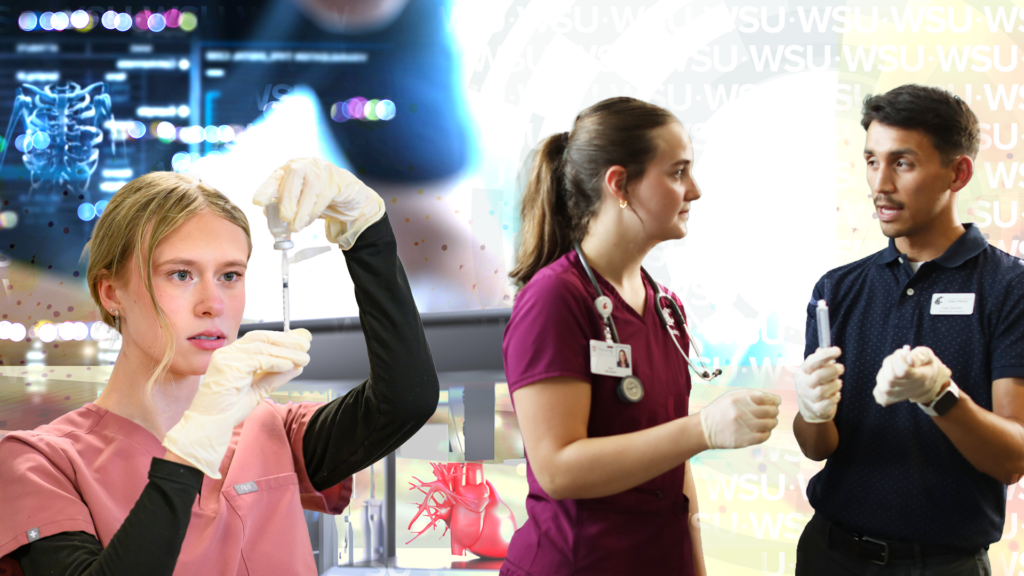
WSU is using AI to speed discovery in human health
Washington State University (WSU) is at the forefront of innovation, harnessing the power of artificial intelligence (AI) to accelerate discoveries in human health. Staying true to its mission of service, the university is not only advancing research but also exploring how AI can enhance health equity and outreach efforts. By integrating AI technologies into health research, WSU aims to streamline processes, identify patterns, and uncover insights that can lead to more effective treatments and interventions. This initiative reflects WSU's commitment to addressing healthcare disparities, ensuring that advancements in health are accessible to all communities. Through collaborations with local organizations and stakeholders, the university is actively working to implement AI-driven solutions that target underserved populations, promoting equitable access to healthcare resources and information. Moreover, WSU is dedicated to training the next generation of healthcare professionals and researchers in the responsible use of AI. This focus on education ensures that students are equipped with the skills necessary to leverage technology while prioritizing ethical considerations and community impact. As WSU continues to explore the intersection of AI and health, it stands as a beacon of hope for improved health outcomes and a more equitable future for all. By fostering innovation and collaboration, WSU is paving the way for transformative changes in healthcare that resonate far beyond its campus.

UW unveils this year’s Husky 100 — exemplary students from across all three campuses
The University of Washington proudly announces the 2026 Husky 100, a distinguished list celebrating 100 exemplary undergraduate, graduate, and professional students from its Bothell, Seattle, and Tacoma campuses. This initiative honors students who not only excel academically but also actively contribute to their communities. The Husky 100 recognizes individuals across all fields of study who embody the spirit of the UW—balancing ambition with a commitment to making a difference in the world around them. These students have demonstrated remarkable leadership, creativity, and a passion for service, engaging in various projects and initiatives that enhance the university experience and foster a sense of belonging. Through their dedication, they inspire others, showcasing the diverse talents and perspectives that enrich the UW community. The Husky 100 serves as a testament to the university's mission of cultivating growth, independence, and impactful engagement, reflecting the values that define the Husky spirit. As the 2026 cohort steps into the spotlight, they exemplify the notion that education extends beyond the classroom. Their contributions, whether through volunteer work, research, or innovative projects, highlight their commitment to not just their personal growth but also to the betterment of society. This recognition is not just an honor; it is a celebration of students who are making a meaningful impact during their time at the University of Washington.