India Conducts First Shore-to-Ship Methanol Bunkering At Kandla Port
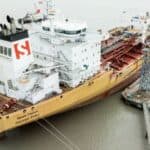


India’s Kandla Port in Gujarat took a step towards cleaner shipping by carrying out a shore-to-ship methanol bunkering trial on 2 April 2026.
The operation tested the port’s ability to supply methanol, a cleaner alternative to conventional marine fuels, and checked whether its infrastructure and procedures are ready for regular use.
The trial is part of India’s plan to reduce emissions in the maritime sector and move towards net-zero by 2050. It also supports the use of low-carbon fuels such as e-methanol and e-ammonia to cut greenhouse gas emissions from shipping.
Union Minister of Ports, Shipping and Waterways, Sarbananda Sonowal, said the development shows India’s focus on building a more sustainable maritime sector under the leadership of Narendra Modi.

He stated that using fuels like methanol and developing the required infrastructure would help improve efficiency and keep Indian ports in line with global standards.
Sonowal added that the move would support India’s goal of becoming a leading maritime nation and contribute to the vision of Viksit Bharat by 2047.
Kandla Port, operated by Deendayal Port Authority, already handles grey methanol as cargo and has facilities such as storage tanks, pipelines and jetties. These existing systems are now being used as a base to develop dedicated methanol bunkering operations.
To check its readiness, the port appointed DNV Maritime Advisory Services to study its infrastructure as well as safety and regulatory systems.
Kandla does it again !!
1st Methanol Bunkering In India !!
DPA Kandla successfully demonstrates Methanol Bunkering at Kandla – the First-Ever in India’s Port sector.
A decisive step towards Maritime Decarbonization.
#DPAKandla #GreenPort #MethanolBunkering… pic.twitter.com/nfPnTAq90U
— Deendayal Port Authority, Kandla (@Deendayal_Port) April 2, 2026


After the assessment, the port was given Level 6 on the Port Readiness Level scale set by the International Association of Ports and Harbors for methanol bunkering.
The trial involved several industry partners, including Stolt Tankers, J M Baxi, Aegis Vopak and Indian Oil Corporation Ltd.
During the operation, the teams tested fuel transfer, safety systems and compliance with regulations.
DNV representatives were present on site and confirmed that the process followed international practices for methanol bunkering.

The port is now working to arrange supply of about 500 kilo tonnes per year of RFNBO-compliant e-methanol by 2028–29. This fuel is expected to be used by dual-fuel ships operating on long routes such as the Asia–Europe corridor.
After this shore-to-ship trial, Kandla Port plans to move to ship-to-ship methanol bunkering in the next phase to expand its operations.
Reference: PIB
Want to read more?
Check out the full article on the original site