Two Qatar LNG Tankers Attempt First Strait Of Hormuz Exit Since US-Iran War
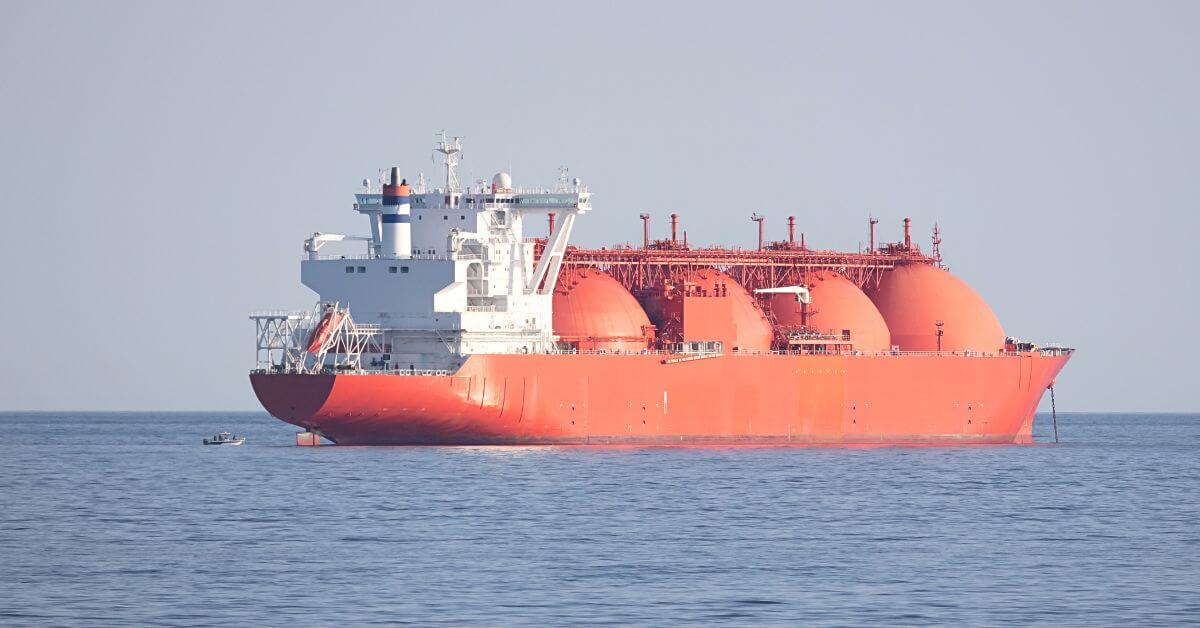
Two LNG tankers loaded in Qatar are moving towards the Strait of Hormuz, in what could become the first attempt to send cargo outside the Persian Gulf since the conflict began in late February.
The vessels, Al Daayen and Rasheeda, loaded liquefied natural gas at the end of February, just before the United States and Israel launched strikes on Iran.
Since then, both ships had been waiting in the Gulf as the situation worsened and the strait remained largely shut to normal shipping.
Ship-tracking data now shows both vessels moving east towards the entrance of the strait near Oman.
The Al Daayen is signalling China as its destination, while Rasheeda is marked “for orders”, meaning its final destination is not fixed. These signals can change at any time depending on conditions.
So far, no fully loaded LNG tanker has passed through the Strait of Hormuz since the strikes began in late February. One tanker without cargo was reported to have crossed the strait over the weekend.
The situation has disrupted a key global shipping route. The Strait of Hormuz is one of the most important passages for energy trade, and the restrictions have affected about a fifth of the world’s LNG supply. This has tightened availability in global markets.
Qatar has still managed to send two LNG shipments to Kuwait in recent weeks, based on ship-tracking data compiled by Kpler. These shipments were likely supplied from storage within Qatar and did not need to pass through the strait.
Tracking ships in the region has not been fully reliable. Signal interference and the deliberate switching off of tracking systems by vessels moving through high-risk areas have made it harder to confirm movements.
According to ship database Equasis, Al Daayen is managed by Seapeak, while Rasheeda is owned by Nakilat. Neither company has commented on the situation.
If the two tankers manage to pass through the strait, it could allow Qatar to start moving some of the cargo that has been waiting in the Gulf. The country had supplied nearly a fifth of global LNG last year.
However, Qatar’s main export facility at Ras Laffan, operated by QatarEnergy, has been shut for more than a month following attacks in the region.
Estimates suggest the damage could cost the company billions in lost revenue each year and may take years to repair. Some long-term LNG contracts have also been affected.
Iran has restricted movement through the Strait of Hormuz since the strikes began, allowing only selected vessels to pass, including some linked to countries seen as close to the United States, such as France and Japan.
No known Qatar-linked LNG vessel has crossed the strait during this period.
It is still not certain whether the two tankers will complete the passage. Their routes and destinations may change depending on security conditions in the area.
References: Bloomberg, oilprice
Want to read more?
Check out the full article on the original site