U.S. Doubles Insurance For Ships Operating Through The Strait Of Hormuz To $40 Billion
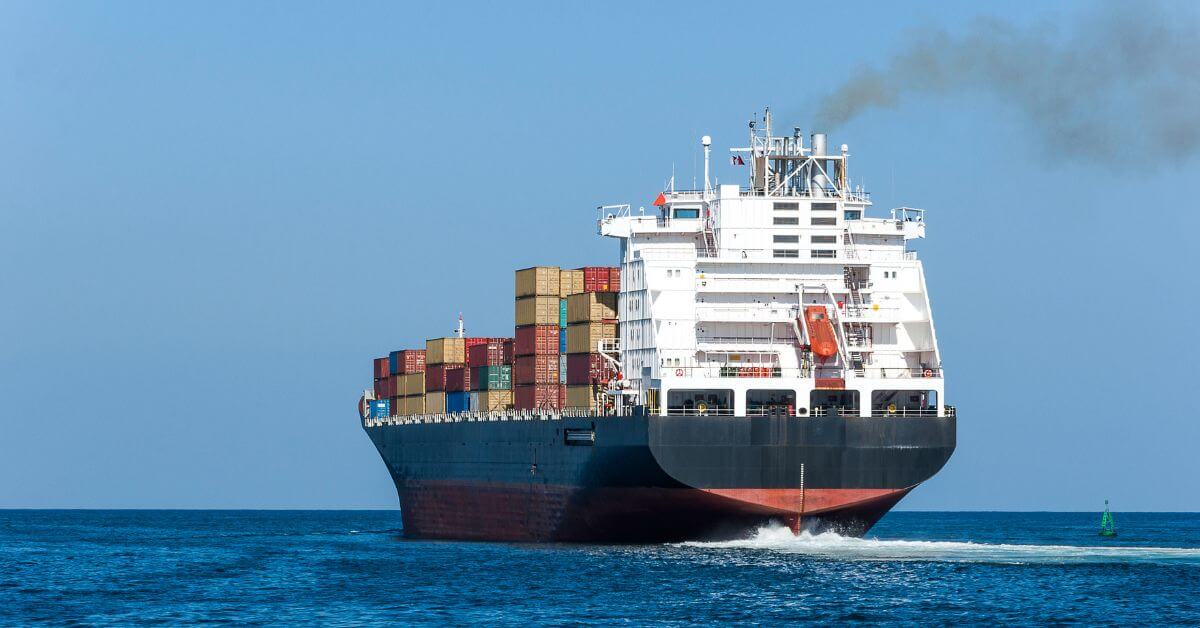
The United States has increased its maritime insurance support for ships sailing through the Strait of Hormuz to $40 billion, as part of efforts to bring back shipping activity in the region.
The U.S. International Development Finance Corporation (DFC) said the total reinsurance facility has been expanded from $20 billion to $40 billion.
The initial $20 billion was announced last month, and an additional $20 billion will now be provided by private insurers including Travelers, Liberty Mutual Insurance, Berkshire Hathaway, AIG, Starr, CNA and Chubb.
Chubb will lead the programme as the main underwriter. It will decide pricing and terms, take on risk, issue policies, and manage claims for vessels and cargo that qualify under the scheme.
The plan offers war risk insurance for both ships and cargo. This includes cover for hull damage, protection and indemnity (P&I), and cargo losses linked to conflict-related risks.
The programme has been introduced amid disruptions in the Strait of Hormuz linked to tensions involving Iran.
The route usually carries about one-fifth of the world’s oil and liquefied natural gas, making it one of the most important shipping lanes globally.
The disruption has affected global energy markets and pushed prices higher. Countries that depend heavily on oil imports, including India, have been hit hard. In the United States, fuel prices have also crossed $4 per gallon, adding pressure on consumers.
The US government said the aim of the insurance plan is to restore confidence among shipowners and support global trade during the ongoing conflict.
However, many shipping companies remain cautious about returning to the route. The main concern continues to be crew safety, as vessels still face risks from drones, missiles and sea mines in the area.
The DFC and its partners will decide which vessels can use the facility. Shipowners will need to provide detailed information, including vessel name, IMO number, flag, ownership details, cargo type and value, origin and destination, and information about lenders financing the vessel.
Applications will also go through sanctions checks and Know Your Customer verification. The agency has not yet opened the application process but said more details will be announced soon.
While the increase in insurance cover reduces financial risk, it does not include any promise of naval escorts for ships. This remains a key concern for operators considering whether to resume voyages through the strait.
Industry experts have said that insurance costs and shipping activity are unlikely to return to normal unless the security situation improves.
US President Donald Trump also commented on the situation, expressing frustration over the continued closure of the route and the limited support from allies.
In a social media post, he said that with more time, the US could reopen the Strait of Hormuz and take control of the oil flow, though no specific steps were outlined.
References: US DFC, Bloomberg
Want to read more?
Check out the full article on the original site