U.S. Lifts Sanctions On Three Russian Cargo Ships Blacklisted Since 2022, Denies Policy Shift
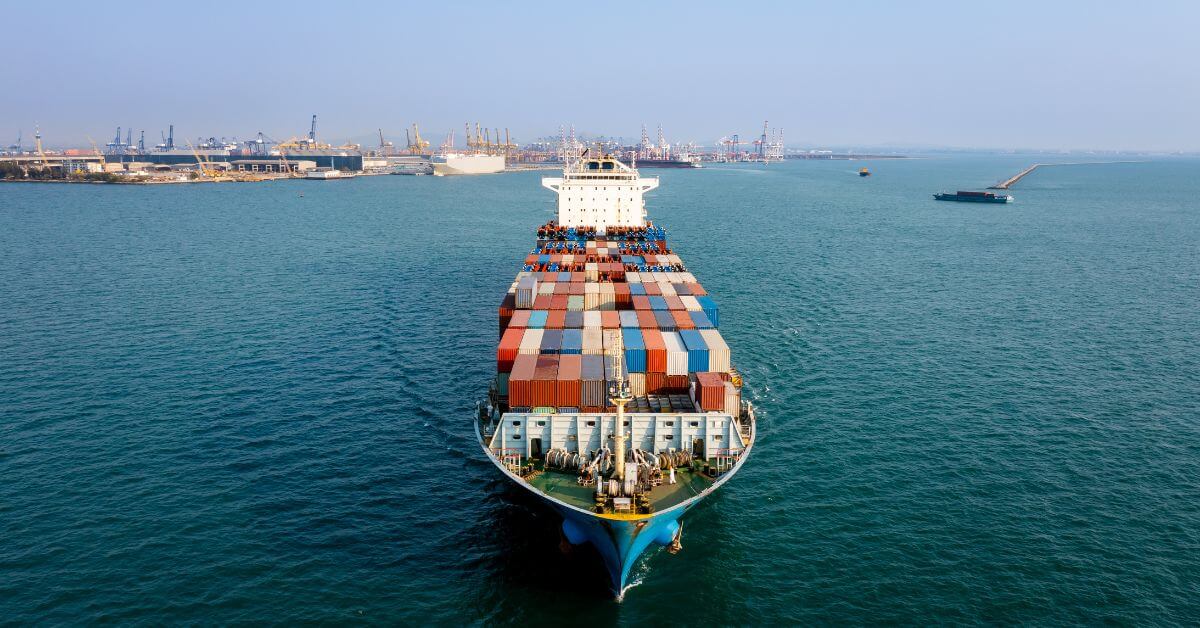
The United States has removed sanctions on three Russian-flagged vessels, allowing them to return to normal shipping operations.
The decision was announced on March 31 by the U.S. Treasury Department’s Office of Foreign Assets Control (OFAC).
Officials said the move is part of routine updates to the sanctions list and does not indicate any change in U.S. policy toward Russia.
The vessels removed from the Specially Designated Nationals (SDN) List are the container ships FESCO Magadan and FESCO Moneron, and the general cargo ship SV Nikolay. All three ships had been under U.S. sanctions since 2022.
FESCO Magadan and FESCO Moneron were sanctioned on February 22, 2022, due to their links to PSB Leasing, which was already under sanctions at the time.
The vessels are also connected to FESCO, a major container shipping operator in Russia’s Far East that has been sanctioned by Ukraine, the United Kingdom, the European Union, and others.
The U.S. imposed sanctions on these ships as part of measures targeting Promsvyazbank (PSB), a Russian state-owned financial institution that previously owned them.
FESCO had earlier said it was ending leasing agreements for the vessels and cutting ties with the sanctioned lessor. The company stated that this step could support their removal from the sanctions list.
The third vessel, SV Nikolay, was also sanctioned in 2022 under measures against Alfa-Bank, Russia’s largest private bank.
Ukrainian authorities have alleged that the ship was involved in transporting grain taken from Russian-occupied areas of Ukraine to Turkey.
With the sanctions now lifted, the three vessels can again access international ports, insurance, and other maritime services that were restricted earlier.
The U.S. Treasury said the decision followed a detailed review. A spokesperson stated that such removals are carried out in the normal course of work and may result from requests by affected parties, internal reviews, or other national security and foreign policy considerations.
The spokesperson added that sanctions are meant to influence behavior and ensure accountability, not to remain in place permanently.
Officials also clarified that this step is not part of any shift in U.S. policy on Russia. OFAC regularly updates its sanctions list by adding or removing individuals and entities when required.
Ukraine has been urging countries to strengthen sanctions on Russia, but progress has slowed. The European Union’s proposed 20th sanctions package has been held up by Hungary following disputes linked to oil transit through the Druzhba pipeline.
At the same time, the U.S. has recently eased some restrictions on Russian oil to help stabilise global energy markets affected by the war in Iran and disruptions in the Strait of Hormuz.
On March 31, a Russian oil tanker was also allowed to dock in Cuba despite ongoing U.S. restrictions on the country.
References: Kyiv Independent, Interfax
Want to read more?
Check out the full article on the original site