Woman fired by Indiana university over Charlie Kirk post to receive $225,000 legal settlement
Our take
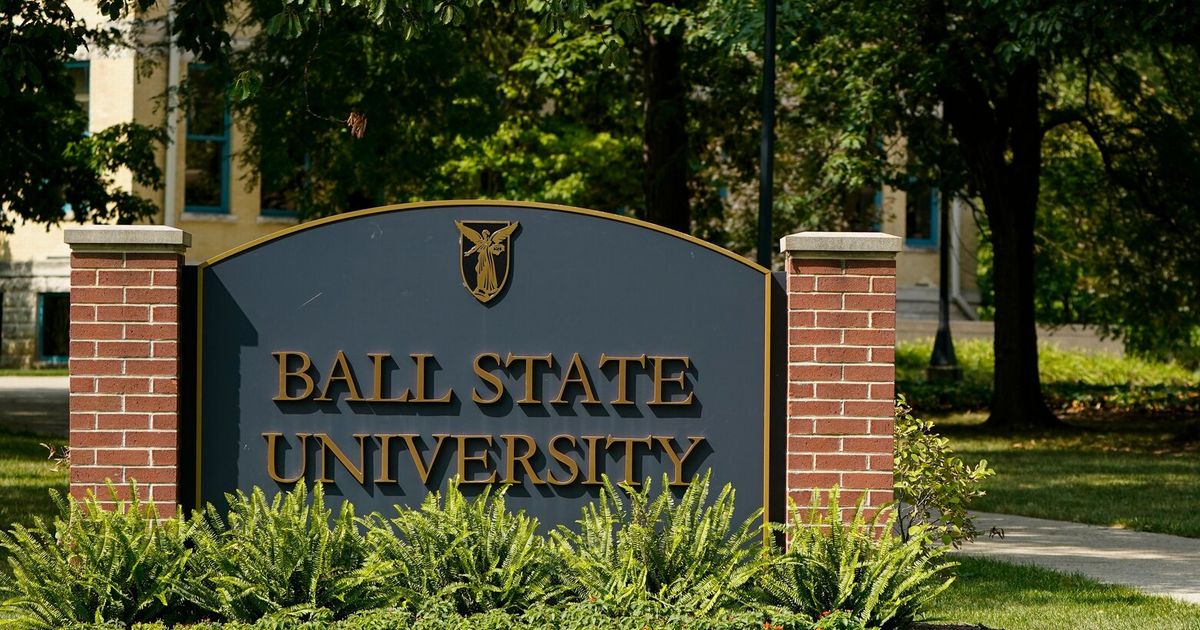
The legal landscape around free speech and employment is shifting, with recent cases highlighting the tensions between individual expression and institutional authority. The recent settlement of $225,000 awarded to a woman fired by an Indiana university over a Facebook post criticizing conservative commentator Charlie Kirk is a prime example of this ongoing debate. This case echoes similar incidents, such as the recent firing of a transit worker in Washington state for calling Kirk a Nazi, as detailed in our article, WA transit worker fired after calling Charlie Kirk a Nazi. Now she’s suing. The implications of these events extend beyond individual cases, raising critical questions about workplace policies, free speech rights, and the role of social media in professional life.
The settlement serves as a significant moment for employees nationwide, particularly in educational institutions where the line between personal opinion and professional responsibility can become blurred. Many institutions are navigating the complex terrain of allowing free speech while maintaining a cohesive community. The question of how far an employer can go in regulating personal expression—especially when it occurs outside of work hours—remains contentious. The case also brings to light the power dynamics at play, where individuals may feel pressured to conform to prevailing political or social views, fearing repercussions for voicing dissenting opinions. This notion is further illustrated in incidents like FIU Suspends 2 Students Over Racist Texts, where the actions of students sparked a broader conversation about accountability and freedom of expression on campus.
Moreover, this legal development reflects a growing awareness of the importance of protecting employees’ rights to express their views, even when those views may not align with their employer's stance. The financial settlement could serve as a deterrent for institutions that might consider punitive actions against employees who express controversial opinions. This case underscores the necessity for clear policies that balance the need for professional decorum with the fundamental right to free speech. As workplaces grapple with these issues, they must also consider the diverse perspectives of their employees, fostering an environment where constructive dialogue can thrive without fear of retribution.
Looking forward, it will be essential to monitor how institutions adapt their policies in response to these legal precedents. Will this settlement encourage more employees to speak out against perceived injustices, or will it lead to a more cautious approach where individuals self-censor to avoid potential repercussions? The evolving landscape of free speech in the workplace, especially in the context of social media, will require ongoing dialogue and thoughtful consideration. As we witness more cases like this, it becomes increasingly clear that the balance between individual expression and institutional authority will continue to be a pivotal issue in our society. How institutions choose to navigate this balance will shape the future of workplace culture and the rights of employees across the country.
Attorneys say a woman fired by an Indiana university over her Facebook post criticizing Charlie Kirk will receive $225,000 in a legal settlement.
Read on the original site
Open the publisher's page for the full experience