Will Washington Huskies be part of potential college football super league? | Mailbag
Our take
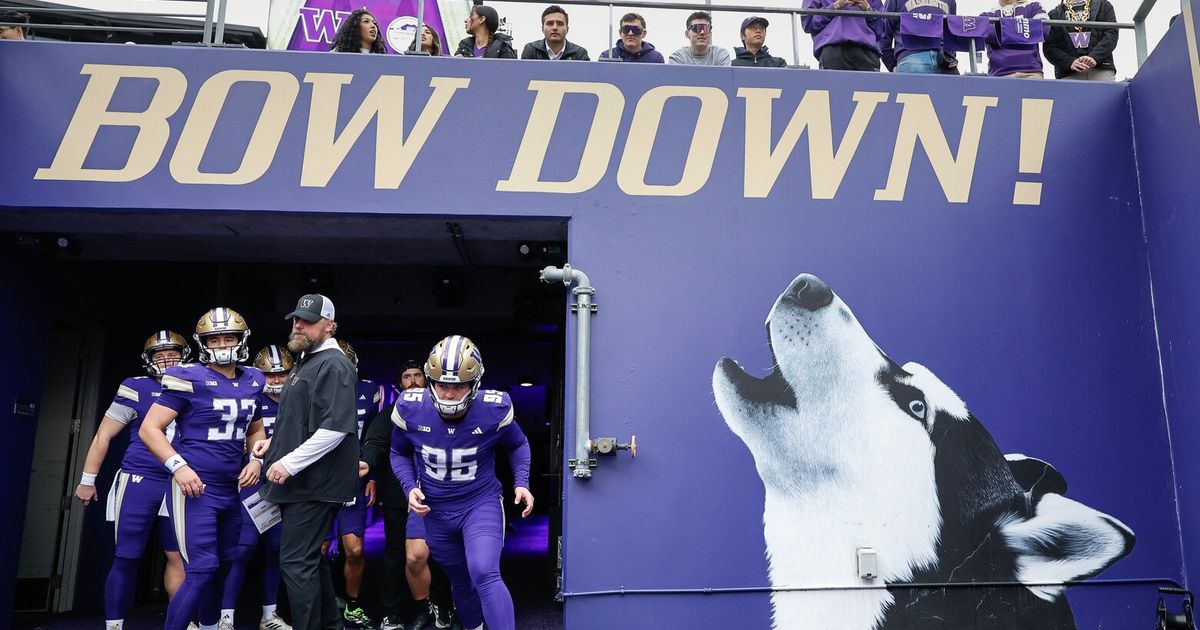
The recent discussions surrounding the potential formation of a college football super league have ignited widespread interest, particularly among fans and stakeholders in the Pacific Northwest. As the University of Washington (UW) considers its position in this shifting landscape, questions arise about the future of the Pac-12 and the implications for its member institutions. This topic resonates deeply, especially considering the current climate of college athletics, where tradition and loyalty are increasingly challenged by financial realities and competitive ambitions. These developments are not just about sports; they reflect broader trends in higher education, including how institutions prioritize revenue generation and marketability over long-standing rivalries.
The notion of a super league raises crucial questions about the integrity and equity of college sports. If UW were to join a super league, it could signal a departure from the values that have historically defined college athletics—values like student-athlete welfare and fair competition. As noted in the recent court ruling regarding Texas State, which highlights the importance of academic freedom and the role of universities in fostering an inclusive environment, such a shift could further complicate the relationship between academics and athletics. The focus on profit over principle could lead to a scenario where institutions prioritize winning at all costs, potentially alienating fans who cherish the emotional connections that come with traditional rivalries and community representation.
Moreover, this conversation cannot occur in isolation. The potential expansion of the Pac-12 is another layer of this complex narrative. As teams weigh their options, it becomes clear that geography, historical rivalries, and fan engagement will play significant roles in determining the future of the conference. Institutions like Kentucky State University are currently navigating their own challenges, as highlighted in the recent lawsuit by students and alumni to block a new state law. These developments remind us that the decisions made at the top of athletic programs reverberate throughout the entire university community, impacting everything from student enrollment to community engagement.
As we look ahead, it's essential for UW and other institutions to carefully consider what participation in a super league might mean for their identity and mission. The balance between ambition and community is delicate, and the choices made now will shape the future of college sports for years to come. Will UW prioritize its competitive aspirations at the expense of its community ties, or will it find a way to innovate and thrive within the existing framework of college athletics?
These questions are vital as we navigate this changing landscape. The future of college sports is not just about big-name teams and television contracts; it's about the shared experiences and connections that define our communities. As stakeholders, we must advocate for a model that respects tradition while embracing necessary evolution. In the end, as we cheer for our teams, we should also champion a vision of college athletics that aligns with the values we hold dear—community, integrity, and growth. How these conversations unfold will be worth watching in the months and years ahead.
Will Washington be part of a potential college football super league? Plus a closer look at future Pac-12 expansion options in this week's mailbag.
Read on the original site
Open the publisher's page for the full experience