What Trump’s Address to the Nation Revealed
Our take
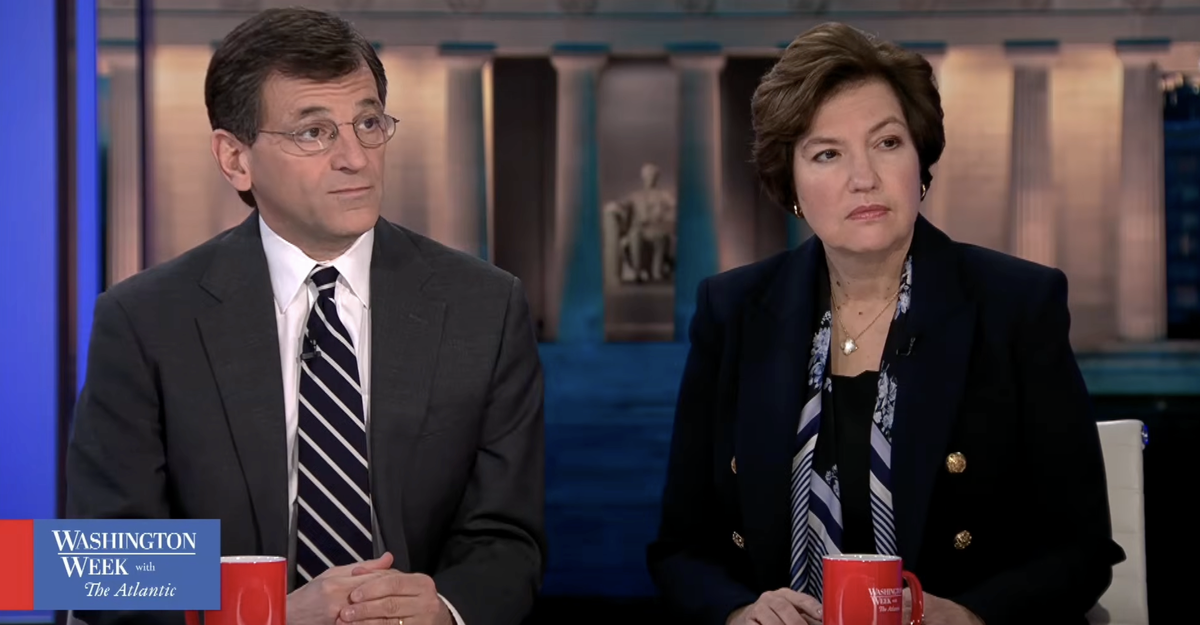
In a recent episode of *Washington Week With The Atlantic*, panelists dissected Donald Trump’s first national address since the onset of war with Iran, marking a critical moment in his presidency. The discussion highlighted growing opposition to Trump's strategy and the confusion stemming from his unclear objectives. Peter Baker, the chief White House correspondent for *The New York Times*, emphasized the importance of clarity in presidential communication during wartime, stating that the address did not effectively convey the administration’s goals. This kind of analysis is essential, especially when paired with insights from related discussions, such as those found in our piece, Trump’s Mixed Messages About Iran, which further explores the inconsistencies in Trump’s messaging regarding Iran.
The stakes are undeniably high when a president addresses the nation during military conflict. The public deserves a clear understanding of the objectives and rationale behind such significant actions, particularly when they involve the potential loss of American lives and resources. Trump's address, however, reportedly left many feeling bewildered rather than reassured. This lack of clarity can lead to increased skepticism among the public and lawmakers alike, eroding trust in the administration's decision-making. As pointed out during the panel, the absence of a coherent strategy can not only complicate military efforts but also impact public opinion and political support. The sentiments expressed by the panelists serve as a reminder of the critical nature of transparency and accountability in government, especially in matters of national security.
Moreover, the implications of Trump's address extend beyond mere rhetoric. The way a leader communicates during times of crisis can influence domestic and international perceptions, shaping the landscape of diplomacy and military strategy. For instance, if the American public feels disconnected from the objectives of the war, it could lead to broader societal repercussions, such as protests or shifts in political allegiances. This is especially pertinent in the context of a polarized political climate, where opposition voices are becoming increasingly vocal. Our earlier analysis in Trump’s Mixed Messages About Iran delved into how mixed messages can undermine credibility, both at home and abroad.
Looking ahead, the key question remains: how will this address shape the ongoing discourse around U.S. military involvement in Iran? As the situation evolves, it will be crucial for both the Trump administration and Congress to engage in a constructive dialogue that addresses public concerns and clarifies objectives. Increased scrutiny from lawmakers and the media will be necessary to ensure that the administration provides a coherent narrative that aligns with the realities on the ground. For students, young professionals, and everyday citizens, the outcomes of these discussions will not only impact U.S. foreign policy but also influence our understanding of leadership in turbulent times. As we continue to navigate these complex issues, staying informed and engaged will be paramount in fostering a democratic society that holds its leaders accountable.
Editor’s Note: Panelists on Washington Week With The Atlantic joined to discuss growing opposition to President Trump’s attacks on Iran and what winning a war with unclear objectives could like.
Earlier this week, Donald Trump delivered his first national address since the war with Iran began more than a month ago. On Washington Week With The Atlantic, panelists joined to discuss the president’s remarks, and more.
“It’s always better for a president in a time of war to go to the public and explain what he’s trying to do, to explain the goals, to explain why it’s worth American treasure and lives,” Peter Baker, the chief White House correspondent at The New York Times said last night. But Trump’s address on Wednesday “did not feel like a speech a month into the war saying where we’re going to go from here, and I think it left a lot of people confused.”
Joining guest moderator Vivan Salama, a staff writer at The Atlantic, to discuss this, and more: Idrees Ali, a national-security correspondent at Reuters; Baker; Susan Glasser, a staff writer at The New Yorker; Michelle Price, a White House reporter at the Associated Press.
Watch the full episode here.
Read on the original site
Open the publisher's page for the full experience