What a Seattle Times reporter saw at Bite of Seattle mass shooting
Our take
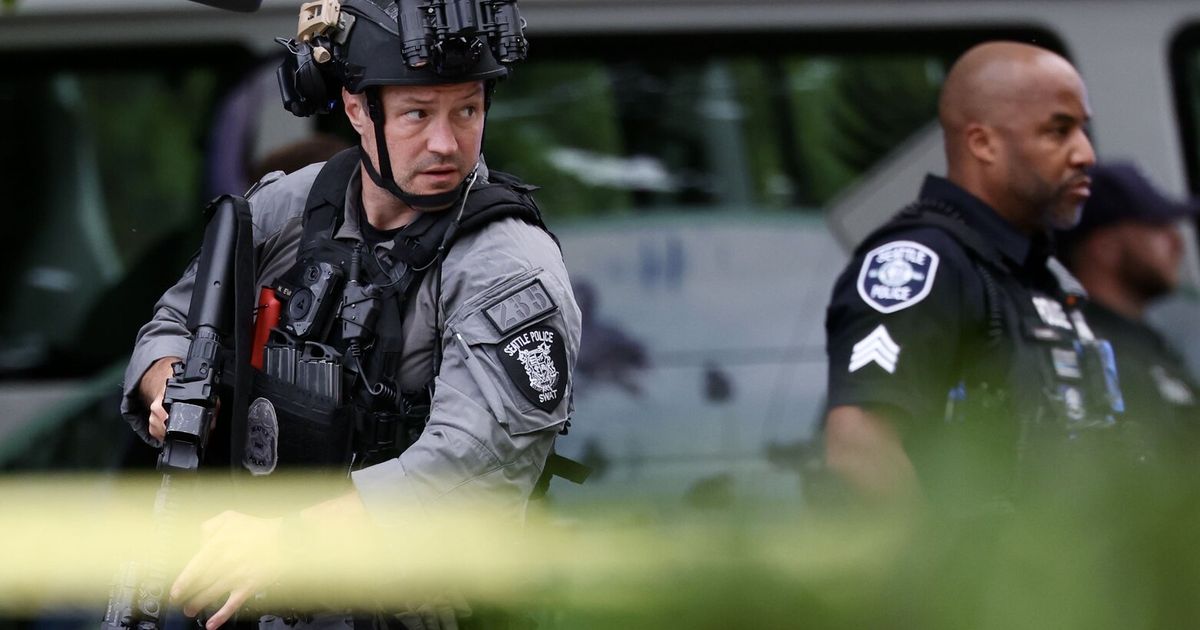
The jarring reality of gun violence intruding upon public spaces is, unfortunately, becoming a tragically familiar narrative. The Seattle Times’ account of the shooting at Bite of Seattle—a beloved annual festival—is a stark reminder of this. It’s not just a local tragedy; it’s a reflection of a national crisis and a particular vulnerability within urban environments striving to foster community and joy. The fact that a journalist, documenting the event for the very publication now detailing the chaos, witnessed the unfolding horror firsthand underscores the unpredictable nature of these incidents. This event echoes similar disruptions witnessed at other public gatherings across the country, highlighting the challenge of ensuring safety while maintaining open and accessible spaces. Seattle Times: Previous Coverage of Gun Violence and Washington State Gun Laws outline the ongoing legal and societal debates surrounding gun control and public safety in our region.
The reporter’s account details the immediate scramble for safety, the confusion, and the lingering fear. Beyond the immediate shock, the incident raises crucial questions about the security measures in place at large public events. Bite of Seattle, like many similar festivals, thrives on its atmosphere of openness and accessibility – a core part of its appeal. However, this very openness can create vulnerabilities. Security protocols, often a delicate balance between reassurance and overbearing presence, will undoubtedly come under increased scrutiny. The incident isn't about blaming organizers; it's about a collective re-evaluation of how we balance the desire for vibrant public life with the imperative to protect attendees. The aftermath, as described, also speaks to the profound psychological impact on those present—a ripple effect that extends far beyond the immediate victims. We saw similar reactions in the wake of the Astroworld Festival tragedy, highlighting the long-term trauma associated with large-scale incidents.
The significance of this event extends beyond the immediate loss and injury. Seattle Center, a hub for cultural events and community gatherings, now carries a layer of unease. While it’s crucial not to let fear dictate our lives and restrict access to public spaces, the incident necessitates a more nuanced and proactive approach to safety. This means not just increasing visible security—though that’s certainly part of the conversation—but also investing in preventative measures, improving communication protocols during emergencies, and fostering a culture of vigilance among attendees. It also demands a broader societal conversation about the factors that contribute to gun violence and the steps we can take to mitigate its devastating impact. The incident highlights a tension: the desire to create spaces of joy and connection versus the unavoidable reality of potential threat.
Looking ahead, the challenge lies in how Seattle – and cities across the nation – respond to this tragedy. Will it lead to meaningful changes in security practices at public events, or will it fade into the background of a seemingly endless cycle of violence? The response will likely involve a combination of increased security presence, improved emergency preparedness, and perhaps, a shift in how we think about public safety in a world increasingly marked by uncertainty. It’s worth watching how community organizations and local government collaborate to rebuild trust and ensure Seattle Center, and similar spaces, remain safe and welcoming for all. Will we prioritize reactive measures or invest in proactive strategies that address the root causes of violence? The answer to that question will shape the future of public life in our city.
Here's what a Seattle Times reporter, who was at Seattle Center, experienced during and after the moment a shooting happened at the Bite of Seattle.
Read on the original site
Open the publisher's page for the full experience