WA State Ferries summer schedule begins Sunday
Our take
The familiar hum of Washington State Ferries increasing capacity this weekend signals more than just a shift in schedules; it’s a tangible marker of summer’s arrival and a quiet acknowledgement of the persistent challenges facing our state’s transportation system. The increased sailings, particularly on popular routes, are a welcome development for commuters, tourists, and island residents alike, easing congestion and providing greater access to the beautiful Puget Sound region. This comes at a time when discussions about infrastructure and public services are particularly relevant, as highlighted by recent news like the [Judge dismisses Republican group’s case against the University of Florida] and the innovative work coming out of UW, such as [UW researchers built AI agents that quickly estimate electronic devices’ carbon footprints]. Both underscore the importance of efficient systems and thoughtful planning, principles that directly apply to the ferry system’s operations. The increased capacity suggests a recognition of the demand and a proactive attempt to manage it, a critical element for maintaining a reliable and accessible public transit option.
However, the summer schedule boost shouldn’t overshadow the ongoing concerns regarding the ferry system’s overall stability. Years of deferred maintenance, staffing shortages, and aging vessels continue to plague the system, leading to disruptions and cancellations that impact countless lives. While increased capacity during peak season is beneficial, it’s a temporary fix, not a comprehensive solution. The recent commencement celebrations at UW, bringing together the [UW celebrates Class of 2026 with 151st Commencement in Husky Stadium and ceremonies in the Tacoma Dome and HecEd], undoubtedly saw a surge in ferry ridership, further stressing the system's already stretched resources. The summer schedule highlights the need for sustained investment and long-term planning to ensure the ferries can reliably serve the region for years to come, rather than simply reacting to seasonal fluctuations and occasional crises.
The economic impact of a robust ferry system is also significant. The islands and coastal communities rely heavily on ferry service for commerce, tourism, and essential services. Increased capacity translates directly to more visitors, more opportunities for local businesses, and a stronger regional economy. But even small delays or cancellations can ripple through these communities, impacting schedules, appointments, and livelihoods. The ferry system isn’t just about leisure; it's a vital artery for the Puget Sound economy and a lifeline for many residents who depend on it for daily commutes and access to essential services. Failing to address the systemic issues impacting reliability ultimately undermines this crucial economic role and diminishes the quality of life for those who rely on it.
Looking ahead, the question isn't just about managing summer crowds; it’s about building a resilient and sustainable ferry system for the future. What long-term strategies are being developed to address the aging fleet, the persistent staffing challenges, and the escalating costs of operation? Will the state prioritize investment in modernizing the system, or will we continue to patch up existing problems while the underlying issues fester? The summer schedule is a temporary reprieve, but the real work—the work of ensuring a dependable and accessible ferry system—needs to be ongoing.
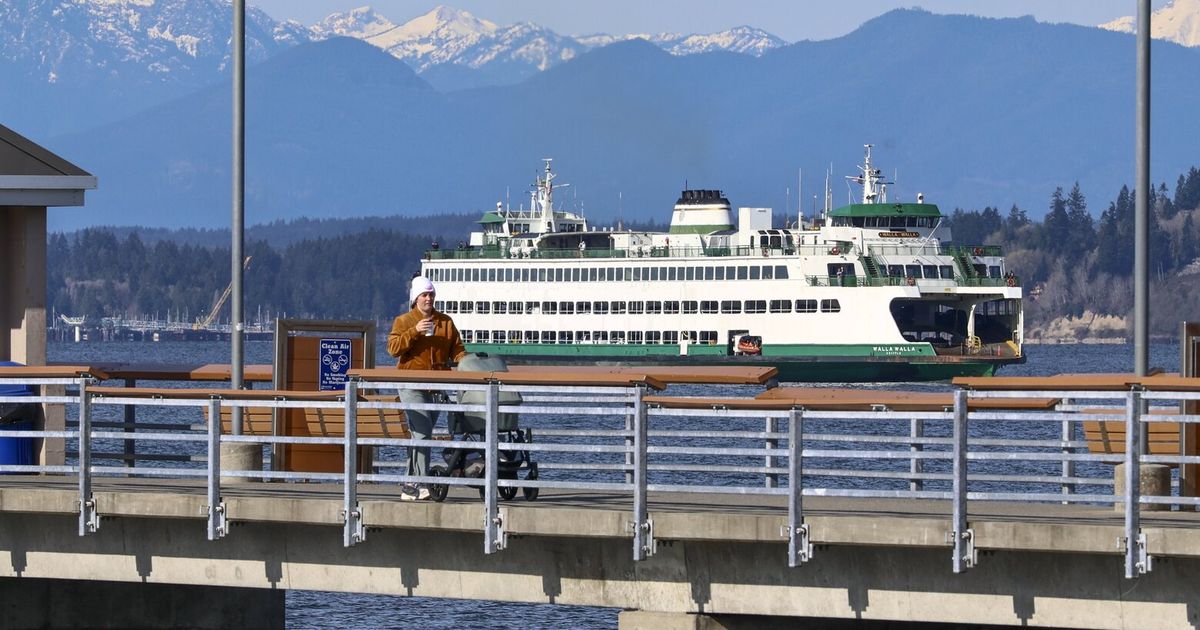
Washington State Ferries began its summer sailing schedule Sunday, with a little extra capacity on some routes.
Read on the original site
Open the publisher's page for the full experience