WA seeks to force ICE facility owner to allow state health inspections
Our take
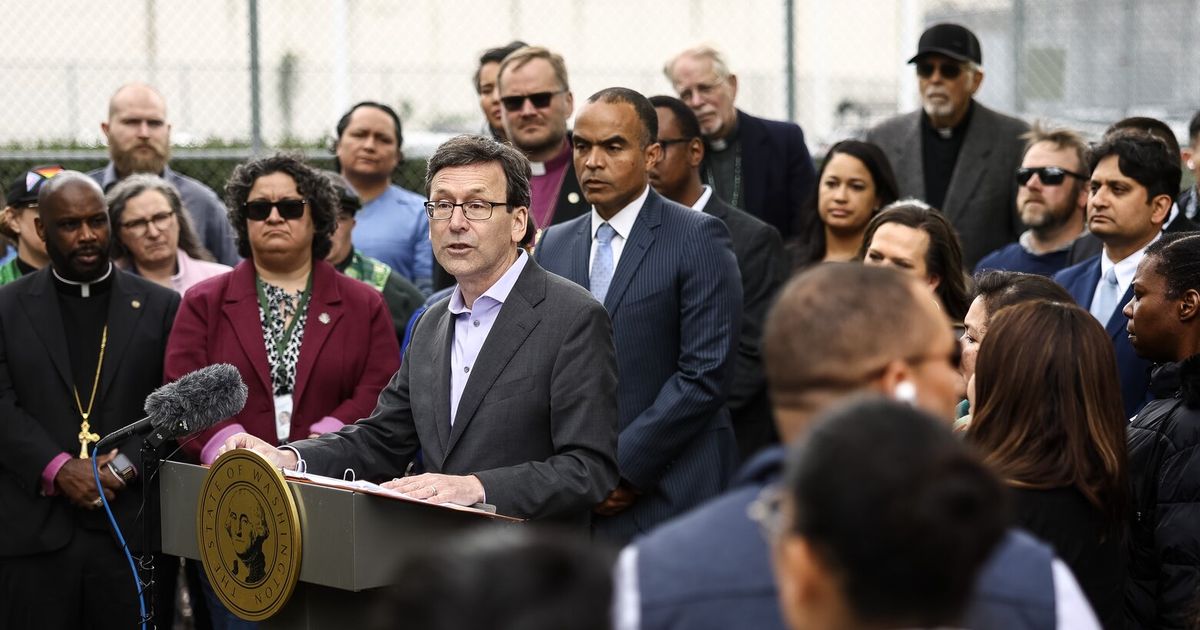
In a significant move, Washington state is seeking a preliminary injunction to compel GEO Group, the operator of Tacoma's ICE detention center, to allow state health inspections. This legal battle underscores the broader conversation about accountability and transparency in facilities that detain individuals under immigration enforcement. As we reflect on the implications of this action, it’s crucial to recognize the potential impact on the lives of those detained, as well as the principles of oversight that govern our public institutions. This situation mirrors other recent controversies, such as the Kentucky State University Students, Alumni Sue to Block New State Law, which involves questions of rights and governance.
The GEO Group has faced criticism for its operations at the Tacoma facility, with advocates asserting that the lack of state oversight can lead to neglect and poor living conditions for detainees. By seeking to enforce health inspections, Washington state is taking a stand for accountability in a system often criticized for its opacity. This action is particularly relevant in light of ongoing discussions about the treatment of vulnerable populations and the ethical responsibilities of private companies involved in public services. The implications extend beyond the immediate needs of detainees; they touch on the broader societal commitment to uphold humane standards and respect for human rights.
Moreover, this case raises important questions about the role of the government in regulating private entities that operate within its borders. As highlighted in the recent Court Rules Texas State Must Reinstate Prof Fired for Israel-Palestine Talk, we are witnessing a trend where institutions are being called to account for their actions and decisions, especially when those decisions impact marginalized communities. The push for health inspections at the ICE facility aligns with a growing demand for transparency and ethical governance in various sectors.
While the legal proceedings unfold, the broader implications of this case resonate with many Washington residents. It serves as a reminder of the importance of civic engagement and the need for communities to advocate for their values. As we consider the future of immigration detention policies and the role of private companies in this space, it is essential to remain vigilant and informed. The outcome of this injunction could set a precedent for how similar facilities are monitored and held accountable across the country.
Looking ahead, we should ask ourselves what this means for the future of oversight in immigration facilities and how state actions can shape national policies. Will this push for health inspections lead to more comprehensive reforms, and how will it influence public perception of private detention centers? As Washington leads the charge for transparency, it’s crucial for citizens to remain engaged and informed about these developments, ensuring that the voices of those affected are heard and considered in the ongoing discourse around immigration and detention practices.
Washington state is seeking a preliminary injunction to stop GEO Group, which runs Tacoma's ICE detention center, from blocking state health inspections.
Read on the original site
Open the publisher's page for the full experience