The psychedelic pop artist Peter Max has died at 88, his son says
Our take
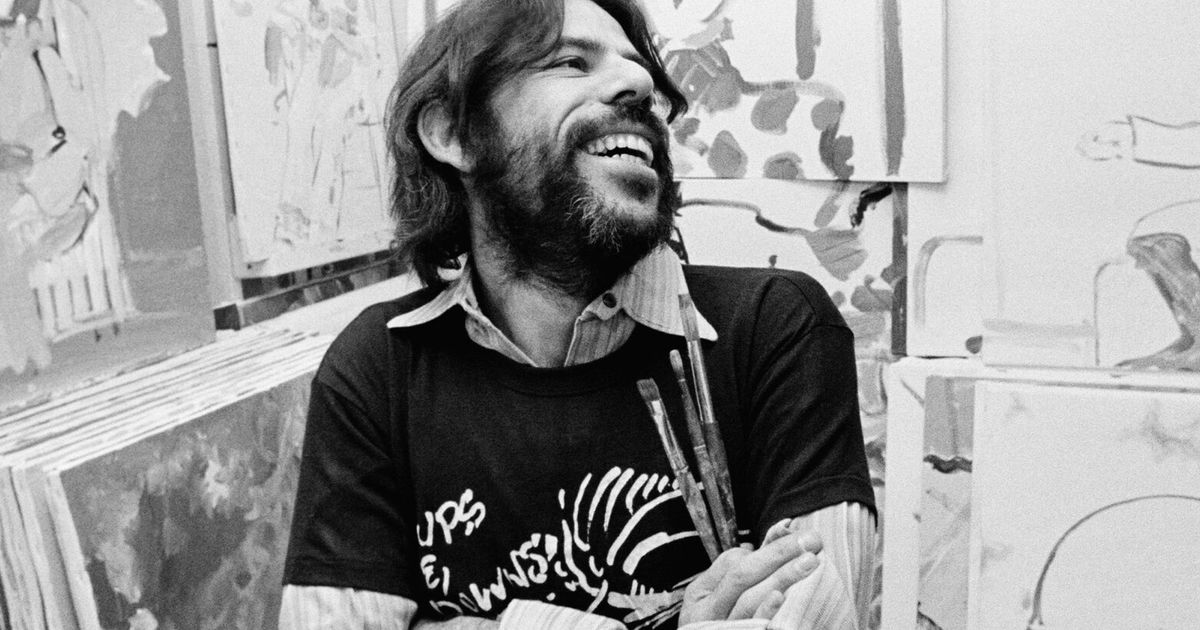
The passing of Peter Max, the psychedelic pop artist, at 88 marks the end of an era, and not just for the art world. His vibrant, swirling canvases—a kaleidoscope of color and optimistic energy—became synonymous with the 1960s and 70s counterculture, reflecting a period of profound societal change and a yearning for something beyond the mundane. While his work might seem purely aesthetic to some, it was deeply entwined with the political and social landscape of its time, often subtly incorporating messages of peace and environmental awareness. To understand Max’s legacy, we must acknowledge the context of his rise; a time when artistic expression served as a powerful tool for social commentary and a rejection of established norms, a spirit that echoes in contemporary movements like the celebration of Dolly Parton at a Seattle community vigil Dolly Parton to be celebrated at Seattle community vigil and the ongoing conversations around our relationship with the environment, as explored by UW professors Q&A: UW professors explain how we’re misreading the energy crisis. Max’s work, in its own way, contributed to that broader cultural dialogue.
Max’s impact extends beyond simply providing visually arresting images. He successfully translated the aesthetics of the psychedelic experience—the altered perception, the heightened emotions—into a commercially viable art form. This wasn’t accidental. He understood the power of graphic design and embraced it, producing posters, album covers, and even product designs that brought his signature style into everyday life. In a world increasingly saturated with visual stimuli, Max’s bold, uncomplicated designs offered a refreshing alternative to the increasingly complex and often cynical imagery dominating the cultural landscape. He wasn't trying to be edgy or provocative for the sake of it; he genuinely seemed to believe in the power of color and positivity to uplift and inspire. This contrasts sharply with some contemporary artistic trends that prioritize irony and deconstruction, suggesting a possible shift in the function of art – from a source of hope and inspiration to a more critical and often detached observation of the world.
The significance of Max’s death also lies in what it represents for the evolution of pop art itself. Initially, pop art, pioneered by artists like Andy Warhol, often critiqued consumer culture through repetition and appropriation. Max, however, took a different approach, embracing the vibrancy and optimism of consumerism while simultaneously infusing it with a spiritual and utopian sensibility. He wasn’t commenting *on* the culture; he was actively contributing to a vision of a more colorful and joyful future. His work foreshadowed the later rise of digital art and design, where bold colors and playful graphics became increasingly prevalent. Considering the current climate, where anxieties about climate change and political instability are pervasive, the nostalgic appeal of Max’s work – a yearning for simpler times and brighter horizons – is understandable, and perhaps even more resonant than it was during his initial heyday.
Ultimately, Peter Max leaves behind a legacy that is both visually striking and culturally significant. His art served as a reflection of a specific moment in history, but its enduring appeal speaks to a deeper human desire for beauty, optimism, and connection. As the art world continues to grapple with the complexities of the digital age and the evolving role of the artist, it will be interesting to see how Max's emphasis on accessible, uplifting imagery influences future generations of creators. Will we see a resurgence of vibrant, optimistic art as a response to the often-bleak realities of the modern world, or will the trend towards darker, more critical artistic expressions continue to dominate?
The artist Peter Max has died at age 88.
Read on the original site
Open the publisher's page for the full experience