The 27-year-old diplomat waging Trump’s cultural war with Europe
Our take
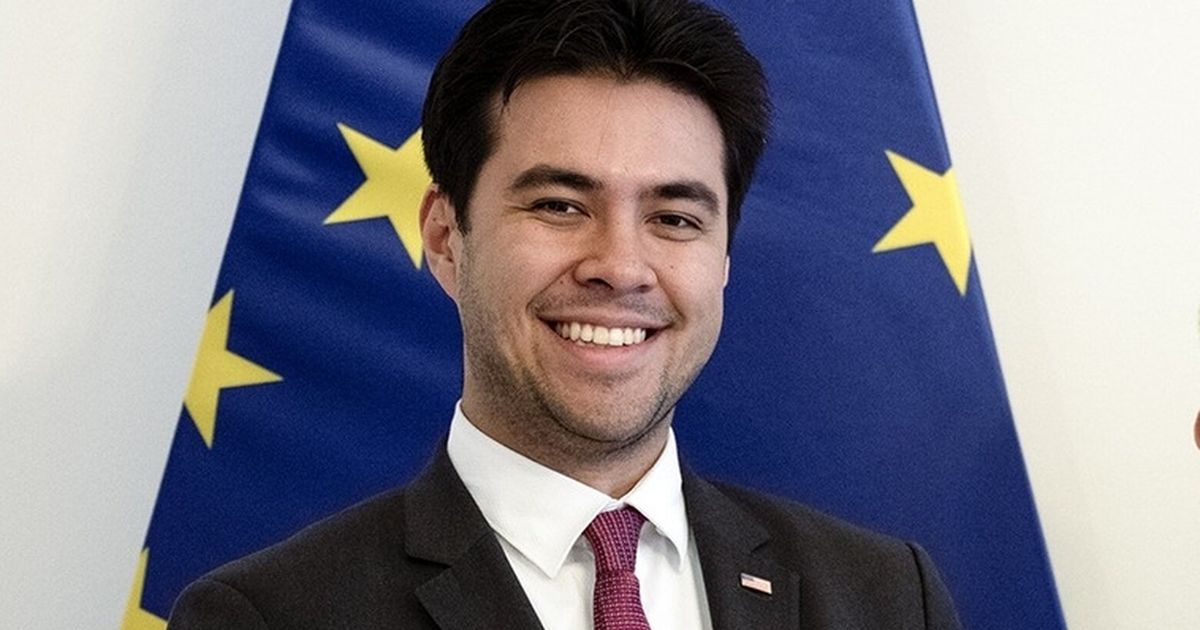
In the rapidly changing landscape of international relations, the influence of young leaders like Samuel Samson cannot be overlooked. At just 27 years old, Samson has ascended to a key role as a senior adviser at the State Department, where he has been instrumental in reshaping the United States' relationship with Europe. This shift, aimed at driving the Trump administration's cultural agenda, reflects broader trends in governance where younger voices are taking on significant responsibilities. The implications of this transformation extend beyond diplomatic circles and into the lives of everyday citizens. It's essential to examine how such shifts in foreign policy affect not only the political landscape but also the social fabric of communities back home.
The article highlights Samson's ambitious initiatives, which have sparked both support and backlash. As he champions the administration’s vision, he represents a generational shift in leadership that is characterized by a blend of idealism and pragmatism. This dynamic reminds us of other pressing issues at the intersection of culture and governance, such as the recent court ruling that reinstated a professor fired for discussing Israel-Palestine. It underscores the importance of academic freedom and open dialogue, which can often become casualties in the broader cultural wars being waged across the globe. Similarly, the ongoing legal battles faced by students and alumni at Kentucky State University, who are challenging new state laws that threaten their rights, reflect the need for vigilance in defending democratic principles in both education and governance.
The cultural war that Samson is part of doesn't just affect policy; it resonates with the everyday experiences of individuals, especially those who are part of marginalized communities. As he pushes forward with sweeping changes, it's crucial to assess how these policies will impact the lives of students, families, and citizens who rely on stable and constructive international relations. The nuances of these diplomatic maneuvers can lead to tangible consequences, as seen in various protests and movements that arise in reaction to governmental decisions. The impacts may range from economic repercussions to shifts in public opinion that influence local communities and their connections to global narratives.
As we look to the future, the question remains: how will the strategies employed by Samson and others like him shape the cultural and political landscapes in the coming years? The evolving relationship between the U.S. and Europe, marked by a push and pull of ideologies, is likely to elicit strong reactions from both sides of the Atlantic. It’s important for students and young leaders to stay engaged and informed, as their voices will play a critical role in shaping the discourse around these policies. With so much at stake, the responsibility to advocate for a more inclusive and balanced approach to diplomacy rests not just on policymakers but on the active participation of all citizens.
As we navigate this complex terrain, let’s remain vigilant and curious about how the actions of today will inform the world of tomorrow. By fostering dialogue and understanding, we can contribute to a future where diverse perspectives are valued, and the cultural narratives that emerge reflect our collective aspirations rather than divisive ideologies.
Five years out of college and given a role as senior adviser at the State Department, Samuel Samson has driven the administration’s push to upend America’s relationship with Europe.
Read on the original site
Open the publisher's page for the full experience