State Funding per Student Drops for First Time Since 2012
Our take
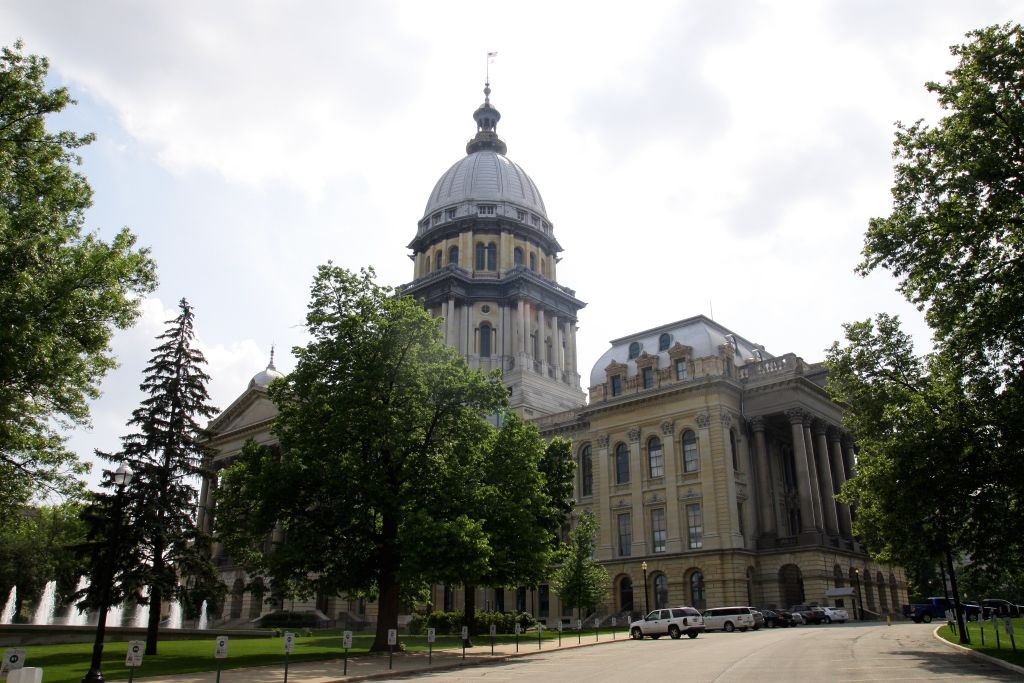
The recent report indicating that state funding per student has dropped for the first time since 2012 is a significant development for higher education, particularly at a time when many institutions are striving to recover from the impacts of the COVID-19 pandemic. As highlighted by Emma Whitford’s article, this decline could have profound implications for students, faculty, and the overall quality of education. Coupled with recent events, such as the Court Rules Texas State Must Reinstate Prof Fired for Israel-Palestine Talk and the Kentucky State University Students, Alumni Sue to Block New State Law, we find ourselves in a landscape where financial stability and academic freedom are increasingly challenged.
One of the core issues is that declining state funding often leads to higher tuition rates, which can disproportionately affect low-income students and families. As ambitious students at WSU and beyond navigate their academic journeys, they might find themselves burdened with more debt and fewer resources. This reality creates an environment where higher education becomes less accessible, contradicting the core values of belonging and growth that many institutions strive to uphold. It raises pressing questions about how universities will adapt to this new financial landscape while ensuring that they remain community-first and support their students’ ambitions.
Moreover, this funding shift can influence the opportunities available on campus. Programs that foster curiosity and hands-on learning—like clubs, projects, and side gigs—may suffer as budgets tighten. Students thrive in environments where they can build and collaborate, yet reduced funding could lead to less engagement in these enriching experiences. It's crucial to ask how institutions will maintain their commitment to creating spaces for students to learn by doing amidst these financial constraints. As WSU students, we need to advocate for our needs and ensure that our voices are included in discussions about funding priorities.
Additionally, the drop in funding may exacerbate existing disparities among institutions and highlight inequities in the education system. Schools that have historically received less state support may struggle even further, widening the gap between well-funded and underfunded institutions. This issue is not just about numbers; it affects the quality of education, the resources available to students, and ultimately, the future of our workforce. As engaged Cougs, we should remain aware of these systemic challenges and support initiatives that seek to bridge these gaps.
Looking ahead, it will be essential to monitor how this funding decline influences policy decisions and institutional strategies in the coming years. Will universities seek alternative funding sources, or will they prioritize maintaining a certain level of service at the expense of student opportunities? As students, we must stay informed and involved, advocating for our education and ensuring that our needs are met. The question remains: Can we collectively push for a model of funding that promotes accessibility and equity in higher education, allowing every student to thrive? The coming months will reveal much about the future of our institutions and the educational experiences we hold dear.
Read on the original site
Open the publisher's page for the full experience