Share of Low-Income High School Grads Going to College Sees Modest Increase
Our take
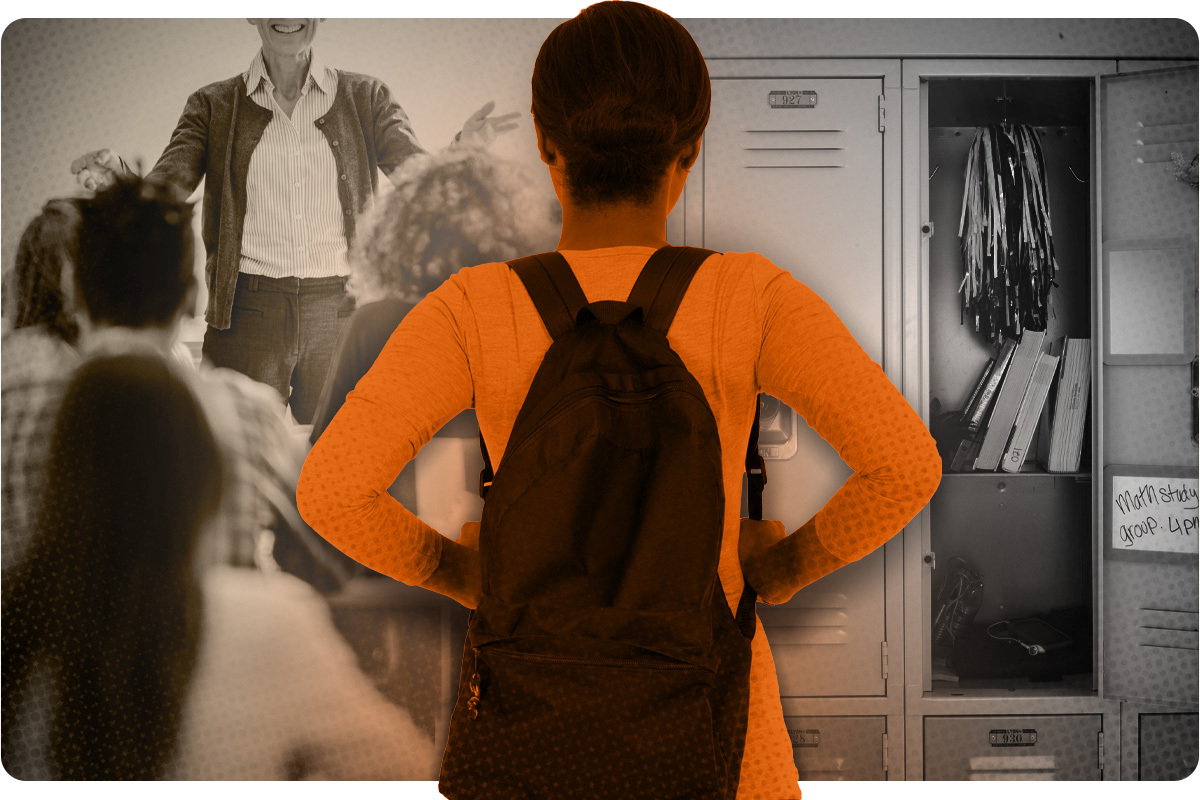
The modest increase in college enrollment among low-income high school graduates, as reported by the National Student Clearinghouse Research Center, is a welcome, albeit cautious, sign. While a surge would have been ideal, this incremental progress signals a potential shift away from the concerning downward trends observed in recent years, particularly following the disruptions of the COVID-19 pandemic. It’s easy to get caught up in headlines about rising tuition and student debt, but this data reminds us that access remains a fundamental barrier. The pandemic exacerbated existing inequalities, and the fact that we're seeing even a small uptick suggests some of the support systems and interventions implemented during and after that period are beginning to bear fruit. For context, consider the broader conversation around college affordability; recent discussions around targeted financial aid programs and debt forgiveness initiatives – like the one detailed in Biden’s Student Debt Relief Plan – might be contributing factors, even if indirectly. Further analysis is needed to isolate specific drivers, but the trend is encouraging.
The completion rates for students whose college experience was significantly altered by COVID-19 are also crucial to unpack. These individuals represent a particularly vulnerable cohort, navigating academic challenges alongside unprecedented personal and societal upheaval. Their persistence—and the data suggesting improved completion—speaks volumes about their resilience and the efforts of institutions to provide support. It's important to remember that these aren't just numbers; they represent students who faced immense hurdles and, despite them, chose to continue their education. This highlights the need for continued investment in student support services, particularly those tailored to address the specific needs of students who experienced pandemic-related disruptions. We've seen institutions experiment with flexible learning models and expanded mental health resources, as explored in Inside Higher Ed's coverage of pandemic recovery. These initiatives, while costly, seem to be paying off in terms of student persistence and graduation.
Beyond the immediate statistics, this development underscores the critical role of equity-minded policies and practices in higher education. Simply increasing enrollment isn’t enough; we need to ensure that low-income students have the resources and support they need to thrive once they're enrolled. This means addressing systemic barriers like food insecurity, lack of access to transportation, and inadequate advising. It also means creating a welcoming and inclusive campus climate where all students feel a sense of belonging. The focus shouldn't solely be on the initial hurdle of getting into college, but rather on fostering a supportive ecosystem that allows students from all backgrounds to reach their full potential. A recent report from the Education Trust highlights the persistent gaps in completion rates between low-income students and their wealthier peers, emphasizing that closing these gaps requires a multifaceted approach, as detailed in Education Trust’s Equity in Higher Education Report.
Looking ahead, the question becomes: can this modest increase be sustained and accelerated? The economic climate remains uncertain, and the pressures on families are considerable. Continued investment in need-based financial aid, coupled with innovative support programs and a renewed commitment to equity, will be essential. We need to track not just enrollment numbers, but also completion rates and post-graduation outcomes to ensure that these students are truly benefiting from higher education. Ultimately, the success of these efforts will depend on a collective commitment from policymakers, institutions, and the broader community to prioritize access and success for all students, regardless of their socioeconomic background.
New data from the National Student Clearinghouse Research Center also highlights completion rates for the last students whose college experience was interrupted by COVID-19.
Read on the original site
Open the publisher's page for the full experience