Saint Augustine’s Declares Bankruptcy but Won’t Close
Our take
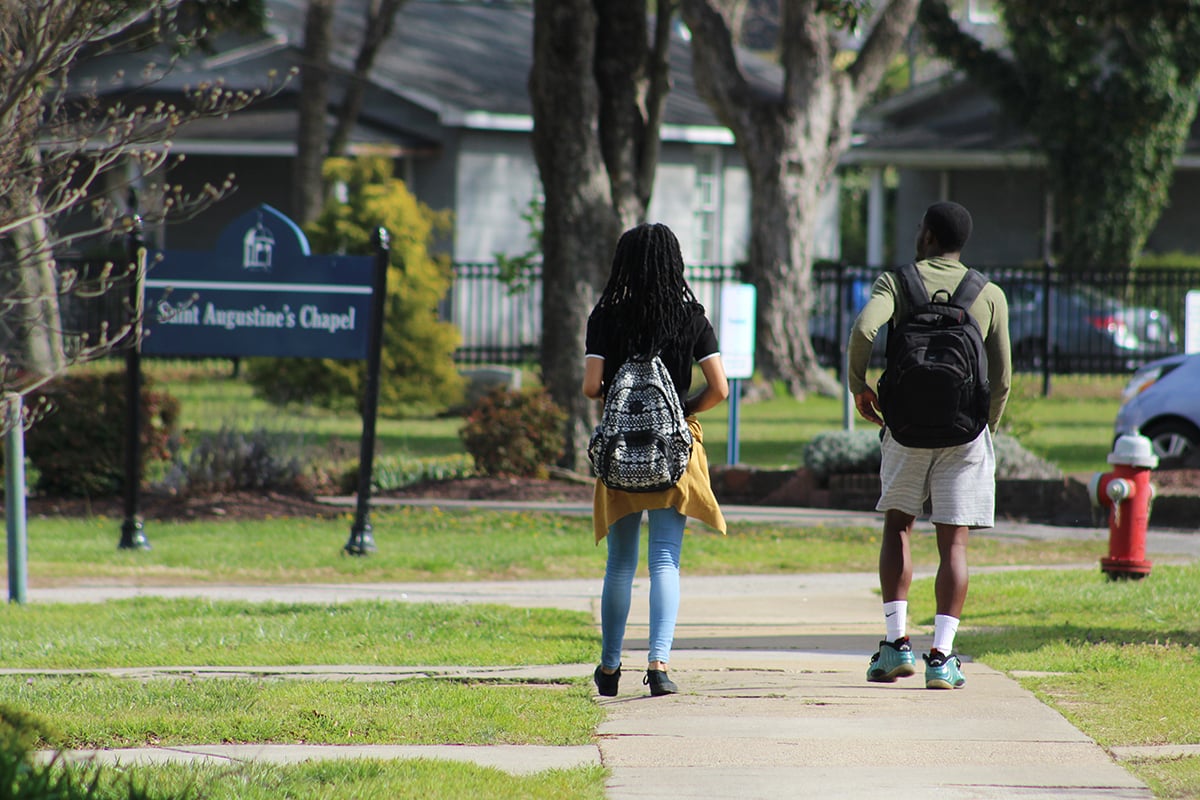
The recent declaration of bankruptcy by Saint Augustine’s University is more than just a financial crisis; it’s a pivotal moment that highlights the broader challenges facing many institutions of higher education today. With the university's automatic loss of eligibility for federal financial aid, current students now face the daunting reality of having to transfer to other institutions to complete their degrees. This situation resonates deeply with ongoing discussions in the education sector, such as the recent Court Rules Texas State Must Reinstate Prof Fired for Israel-Palestine Talk, which underscores the turbulent dynamics within academia, and the Kentucky State University Students, Alumni Sue to Block New State Law that reflects institutional struggles against external pressures. These instances highlight a system strained by financial instability, policy changes, and the need for educational institutions to adapt or face dire consequences.
For many, the news of Saint Augustine's bankruptcy may feel like a distant issue, but it resonates on a personal level for students striving to balance education with financial realities. The loss of federal aid eligibility means that students who have invested time, energy, and resources into their education now find themselves at a crossroads. The emotional toll of transferring schools—navigating new environments, adjusting to different academic cultures, and potentially losing credits—can be overwhelming. This scenario echoes the sentiments of students across the nation who are grappling with the ever-changing landscape of higher education. Amidst these challenges, it’s crucial for universities to foster a sense of community and support, ensuring that students feel empowered to pursue their educational goals, even in the face of adversity.
Moreover, Saint Augustine’s situation raises critical questions about the sustainability of smaller institutions, particularly those serving marginalized communities. As we reflect on these challenges, we must consider how universities can innovate and adapt to survive in an increasingly competitive educational landscape. Institutions need to prioritize transparency, financial literacy, and resource allocation to ensure they can withstand economic upheavals. Additionally, partnerships with local businesses and organizations could provide much-needed support and opportunities for students, creating a more resilient educational ecosystem. The lessons learned from this situation could help inform future strategies to prevent similar crises, allowing universities to thrive and better serve their students.
As we look ahead, it's imperative to consider what this means for the future of education. Are we witnessing a shift towards a more fragmented and precarious higher education system, or will there be a collective effort to reform and strengthen institutions like Saint Augustine’s? The challenges are significant, but they also present an opportunity for innovation and collaboration. Students, faculty, and administrators must come together to advocate for systemic change, ensuring that all students have access to quality education and the resources they need to succeed. As we navigate this uncertain landscape, one question lingers: how can we build a future where no student is left behind, regardless of the financial stability of their institution?
The beleaguered university will automatically lose eligibility for federal financial aid, so current students will have to finish their degrees at another institution.
Read on the original site
Open the publisher's page for the full experience