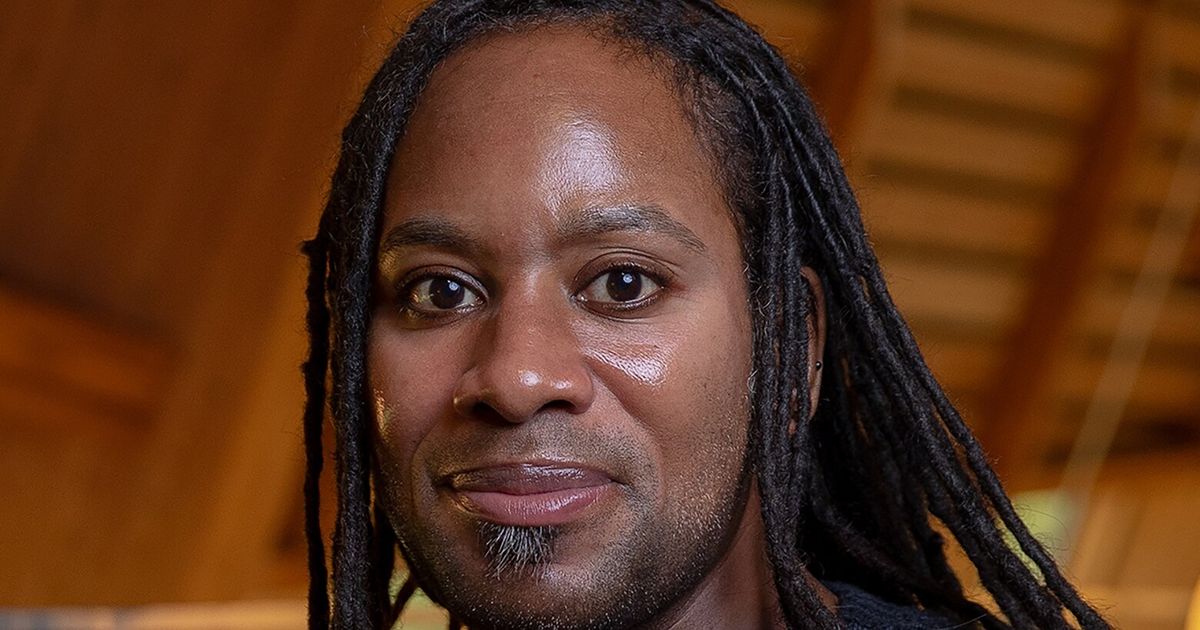
There is no version of this story where the headline is the whole truth, and that is exactly the problem. Jason Arday's death, reported by British police at a home linked to him, comes right after he resigned from his university post amid an investigation into plagiarism and fabrication allegations. We do not know what happened, and we should not pretend otherwise. But we do know that a person is gone, a career ended in disgrace before it could be defended, and higher education lost someone who was once held up as a breakthrough figure. That is a real loss, not a symbolic one.
The pattern here is uncomfortable to sit with, especially for students like us who are building our own reputations one assignment, one club meeting, one side project at a time. We are taught that integrity is the floor, not the ceiling. Then we watch a public story like this one collapse into accusations and tragedy, and the lesson gets murky. Compare this to the developer indicted in an alleged scheme targeting Allen University, where the harm was financial and institutional, or the report highlighting security lapses at a university where a speaker was killed, where the failure was physical safety. In each case, the institution reacted after the fact, and in each case, a person paid the price. The through-line is that universities are not good at catching problems early. They are excellent at issuing statements once the damage is done.
For a student, the practical takeaway is not to assume every accusation is true or false. It is to notice how the process worked. Arday resigned before the investigation concluded. That is a fact we have. What we do not have is the investigation's findings, because the investigation may never finish now. That means the public record is a resignation and a death, not a verdict. We should be honest about that gap. It is tempting to fill it with assumptions, but filling gaps with guesses is how rumors become headlines. The Kentucky trooper shooting suspect case shows how quickly a situation can move from one breaking report to another, with the full story still incomplete. Same here.
What we should watch now is whether the university publishes its findings anyway, even without Arday to respond. That is the concrete detail that matters. If they release the investigation report, we learn something about the allegations. If they bury it, we learn something about the institution. Either way, we get a clearer picture of how higher ed handles a scandal when the accused is no longer around to defend themselves. That is not morbid curiosity. That is us, as future professionals, understanding the system we are about to enter. We show up, we do the work, and we hope the people in charge handle our names better than this.