Photos: Eid al-Fitr and the End of Ramadan 2026
Our take
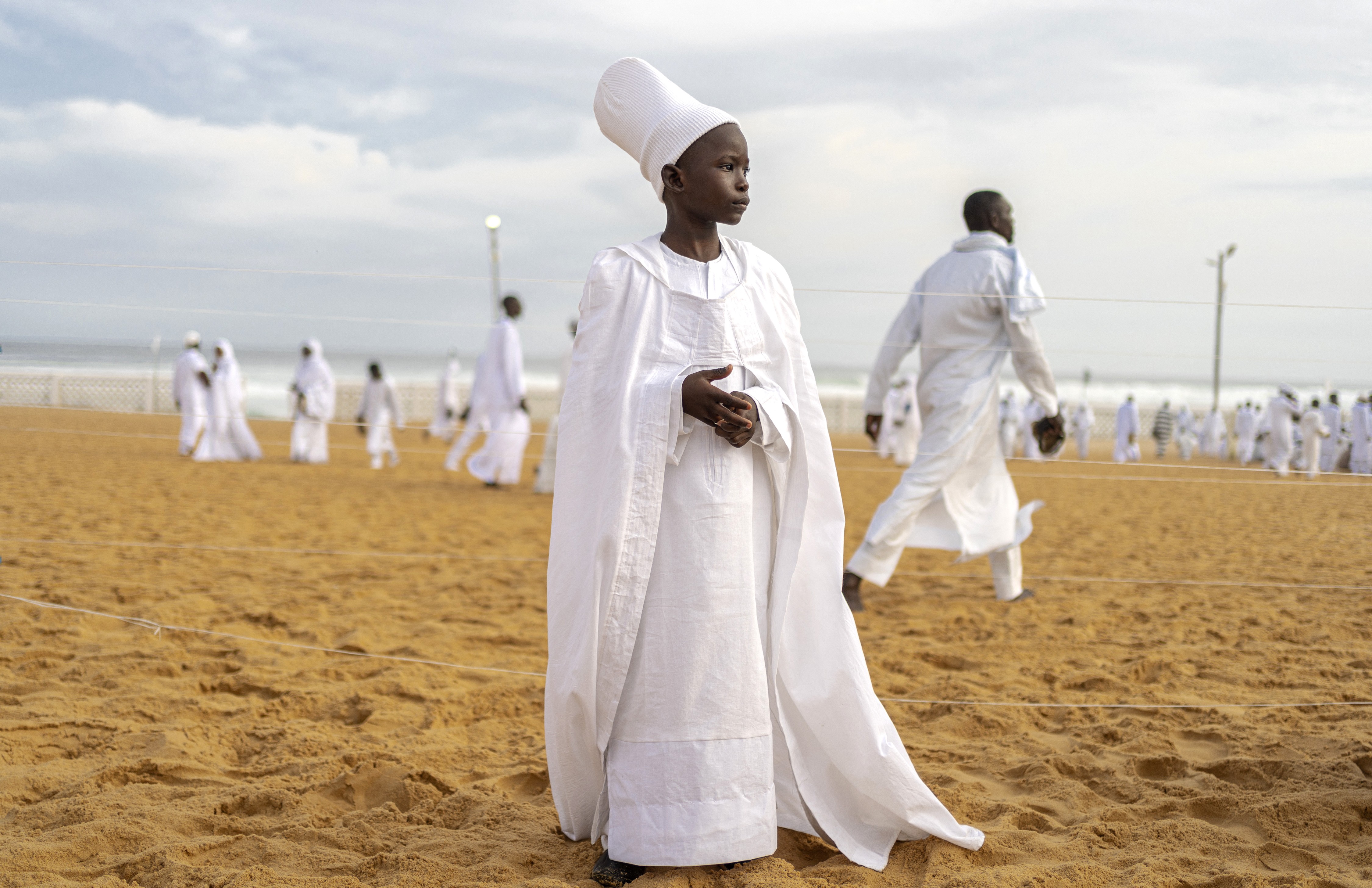
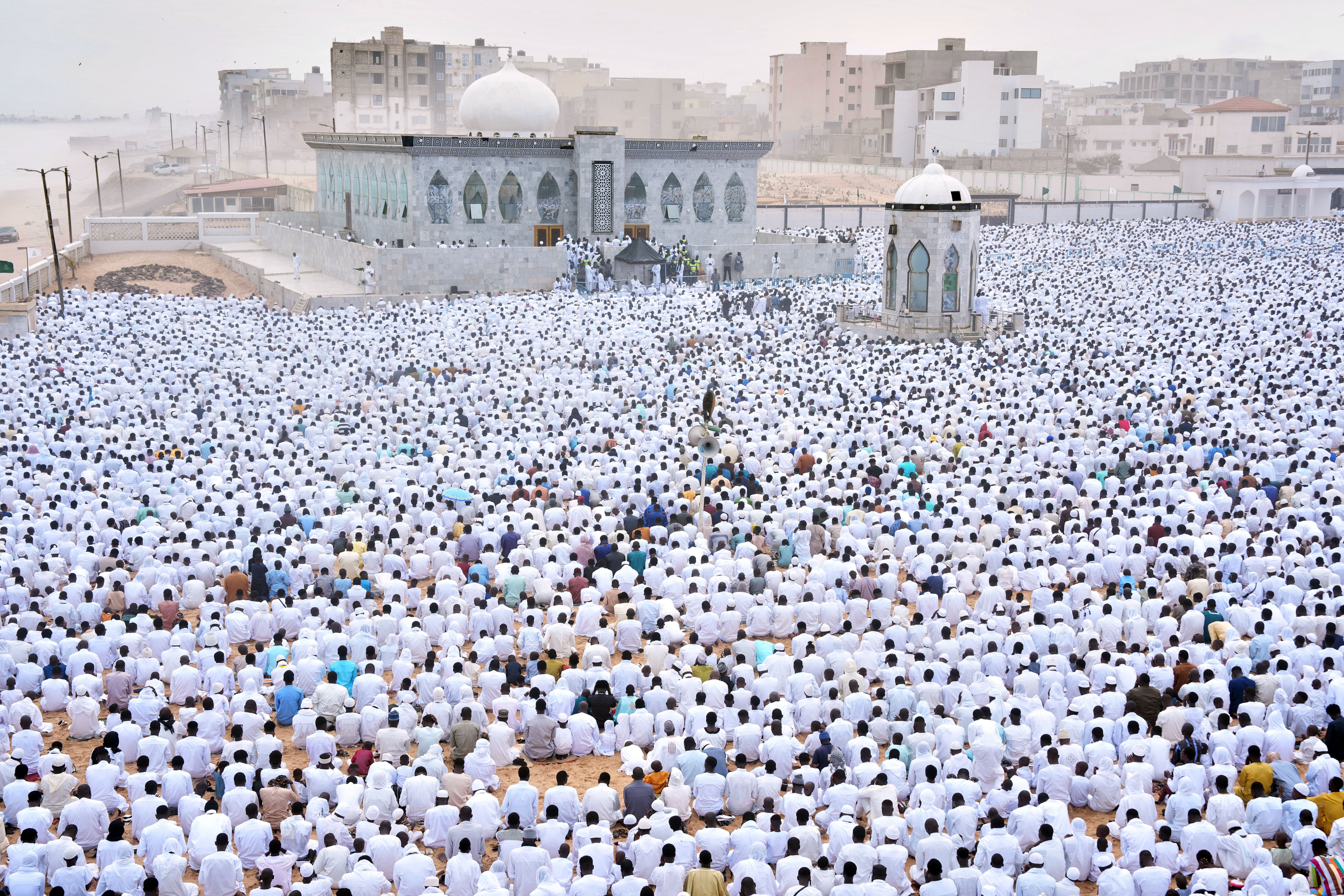
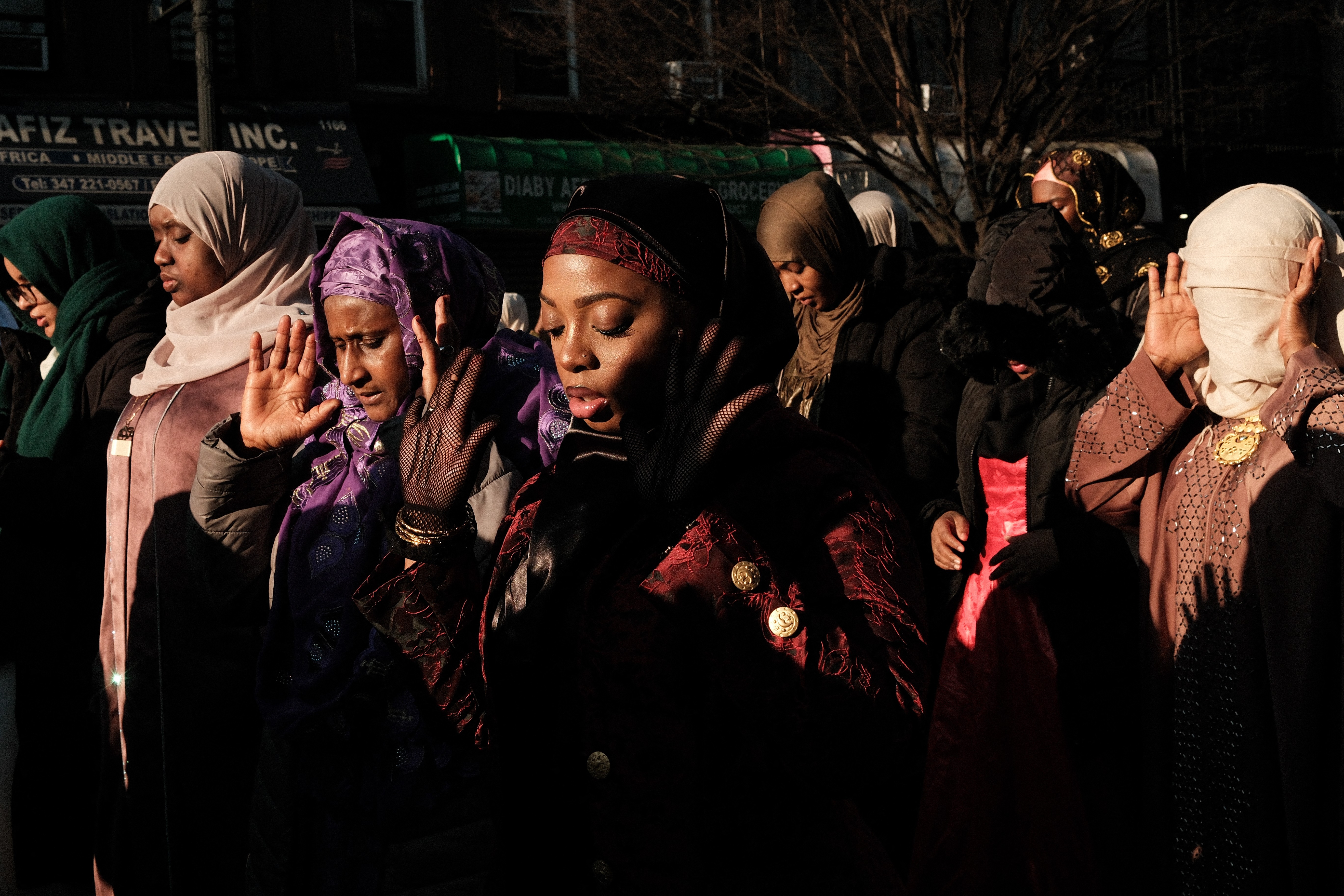
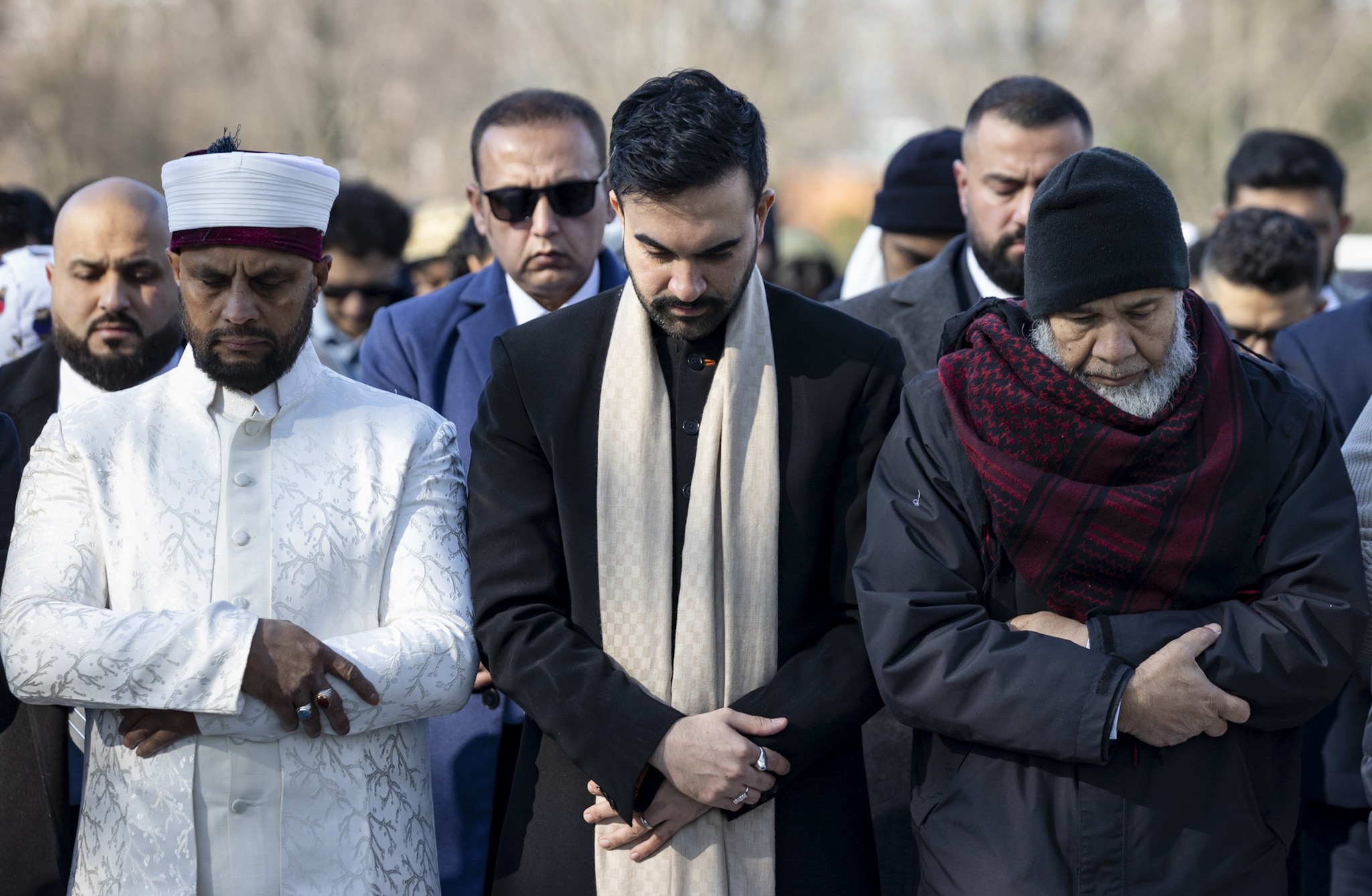
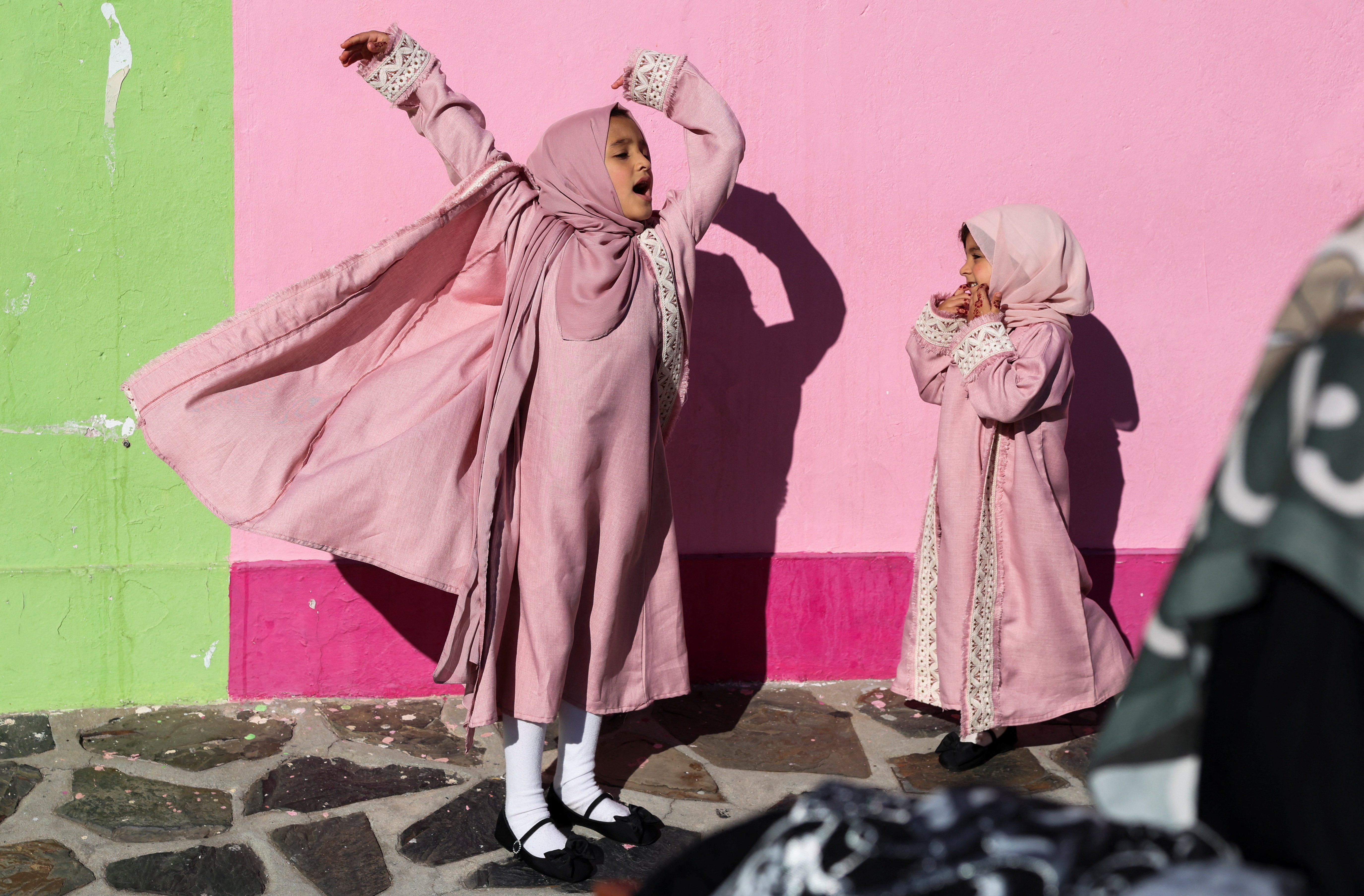
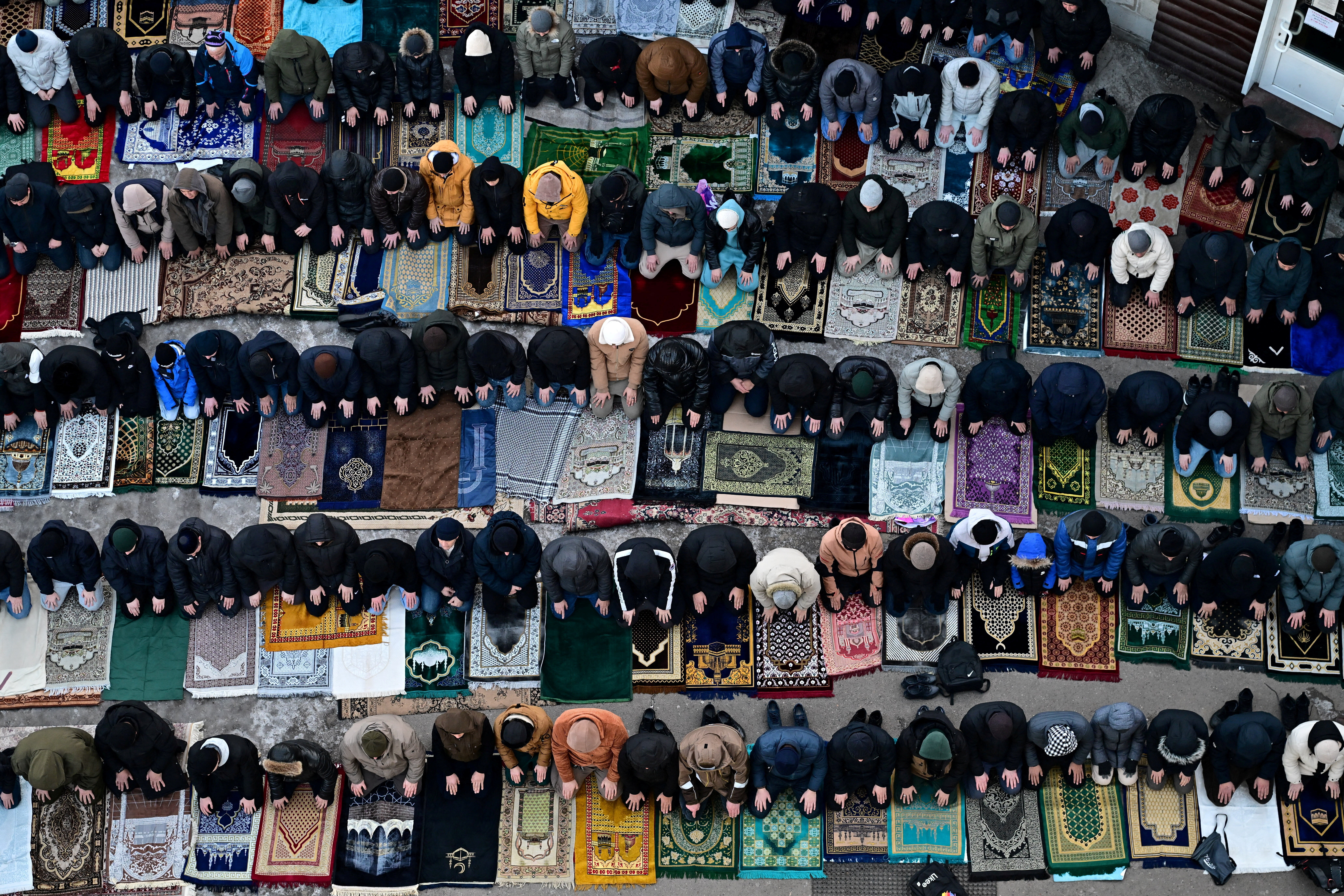
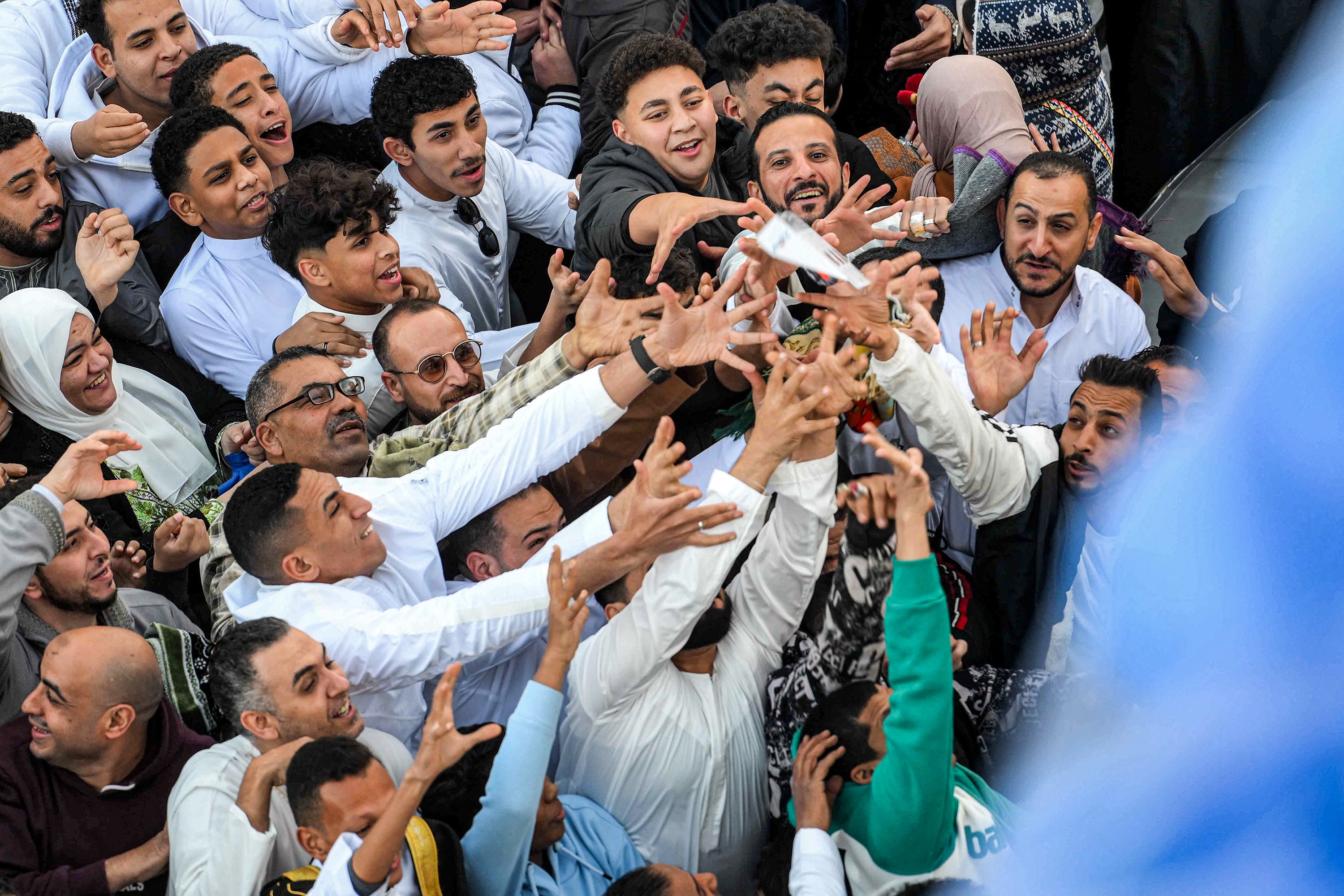
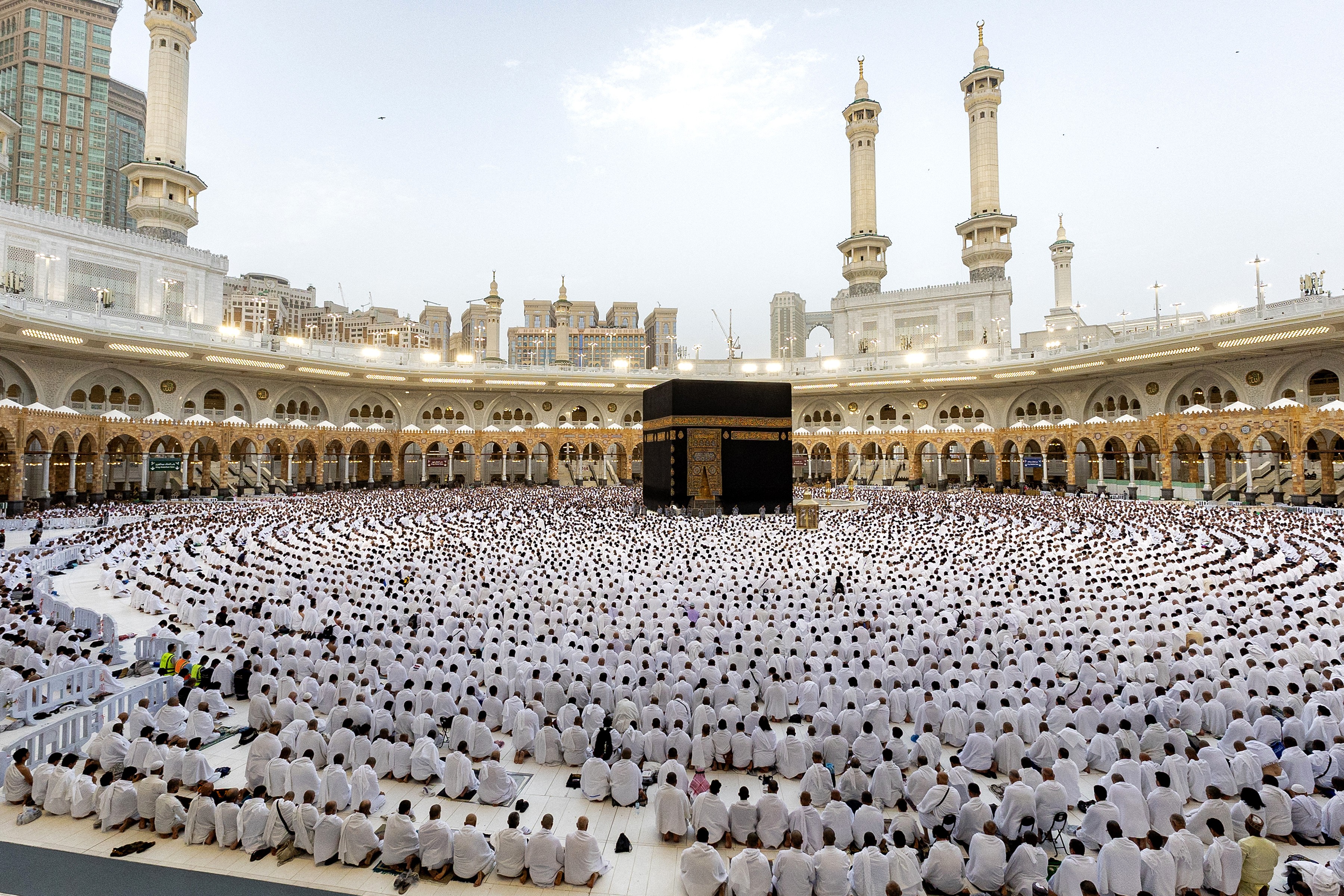
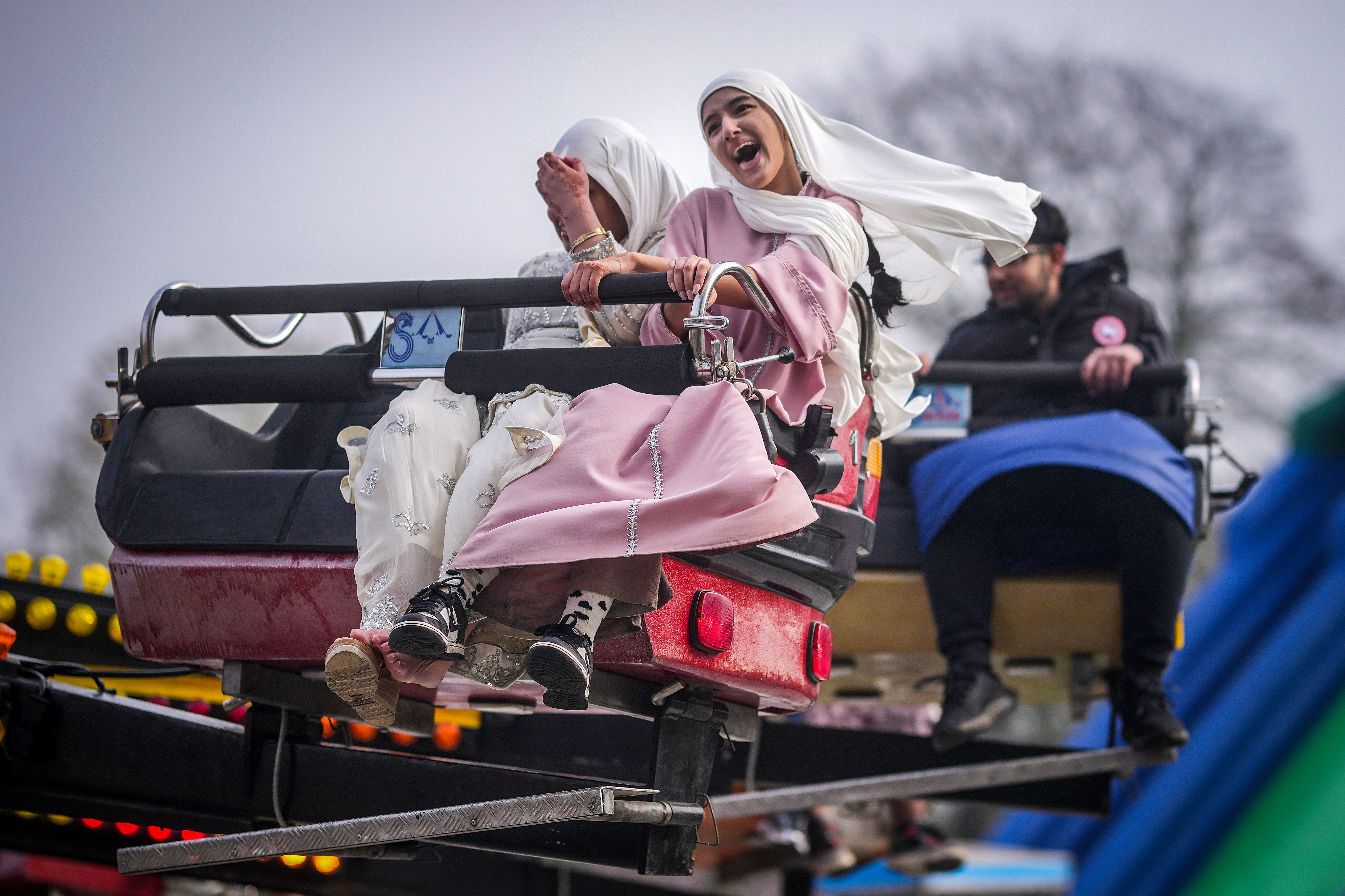
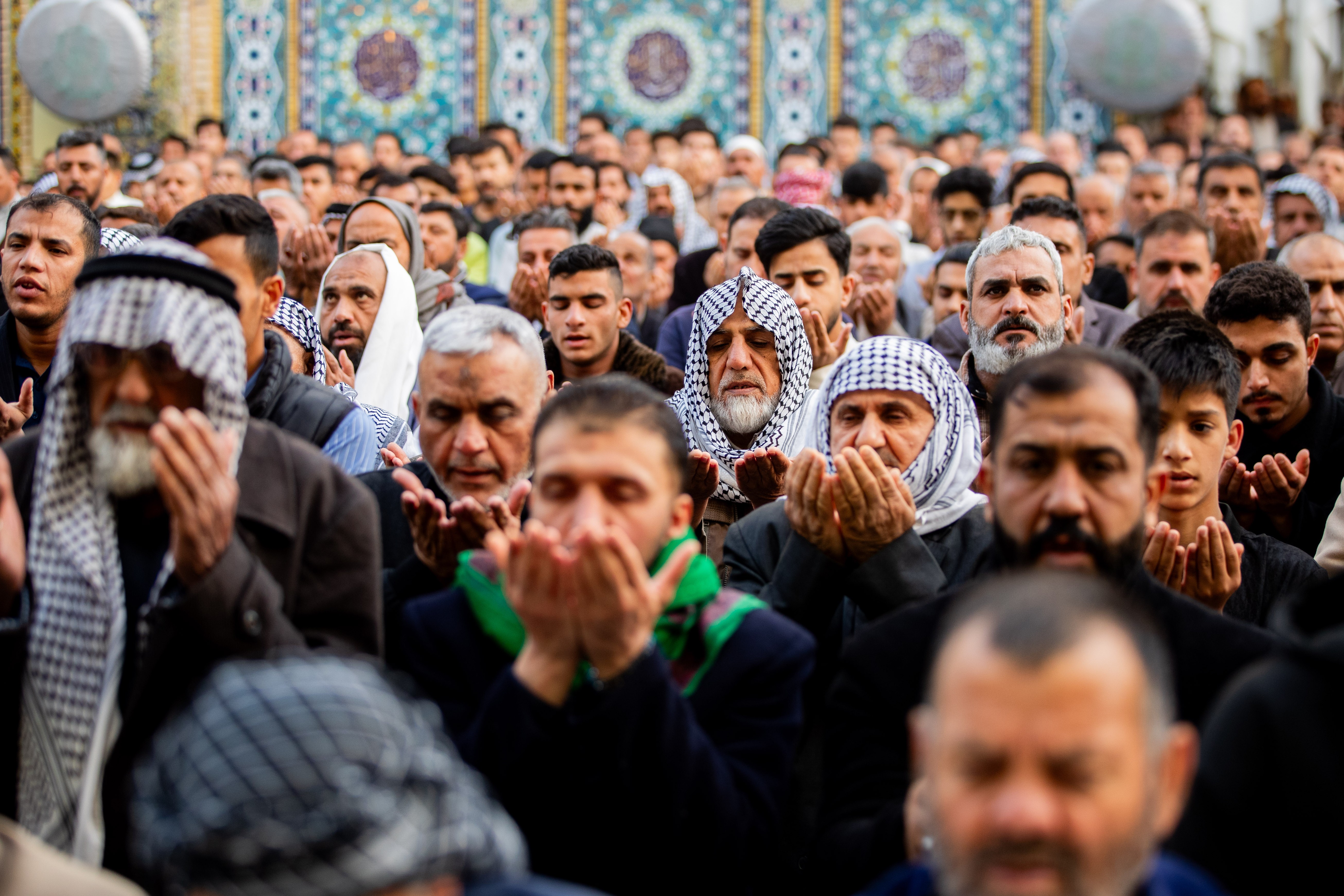
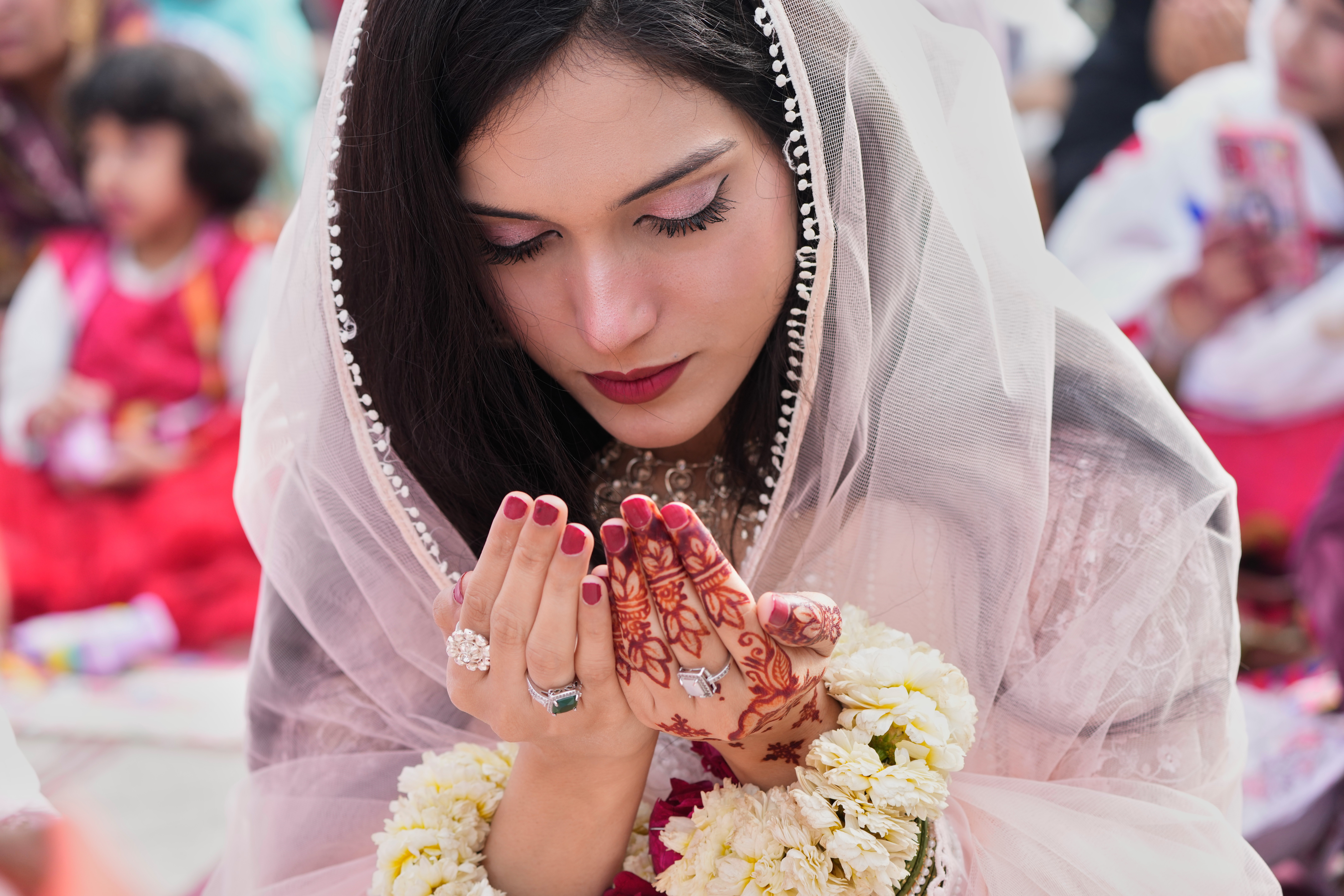
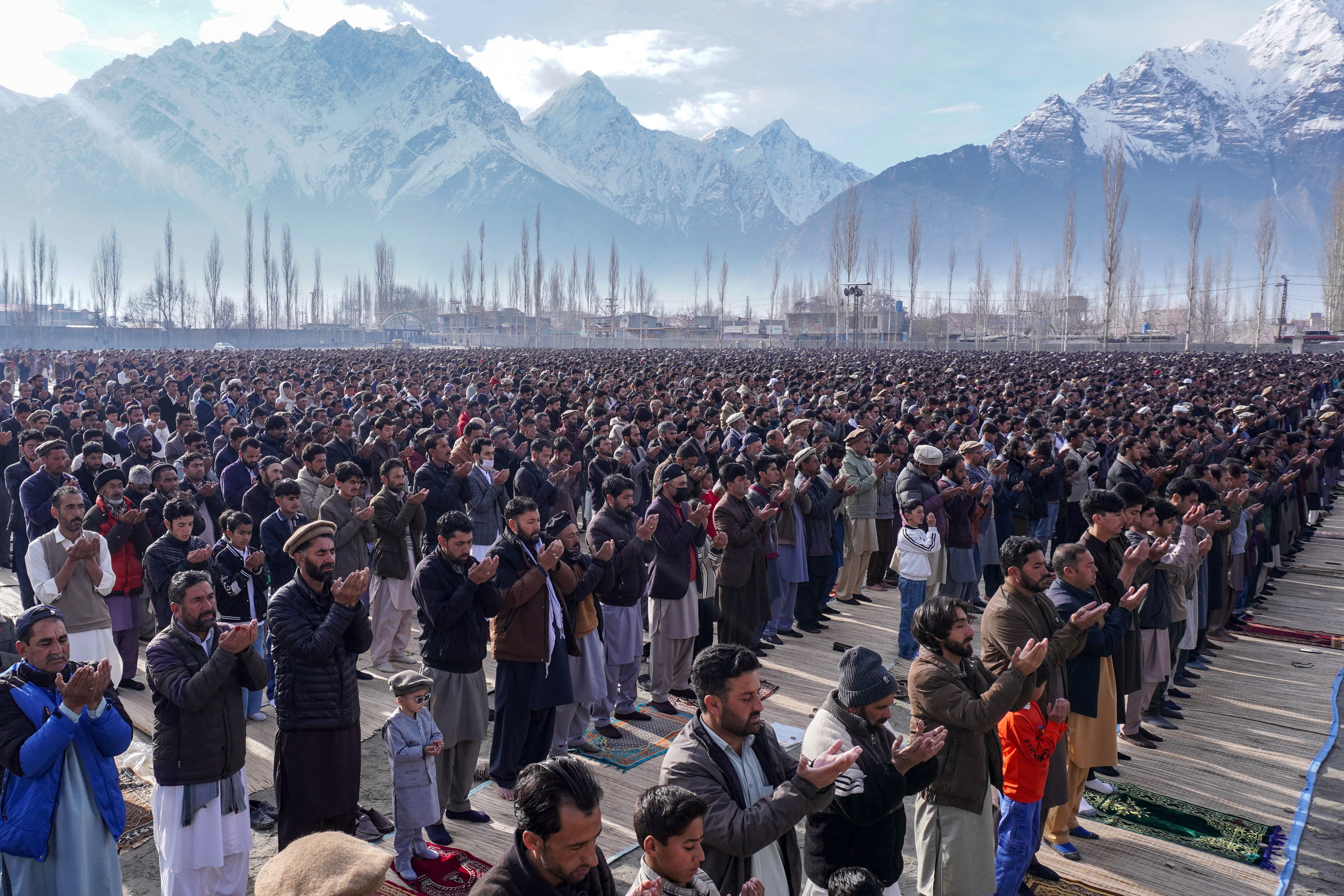
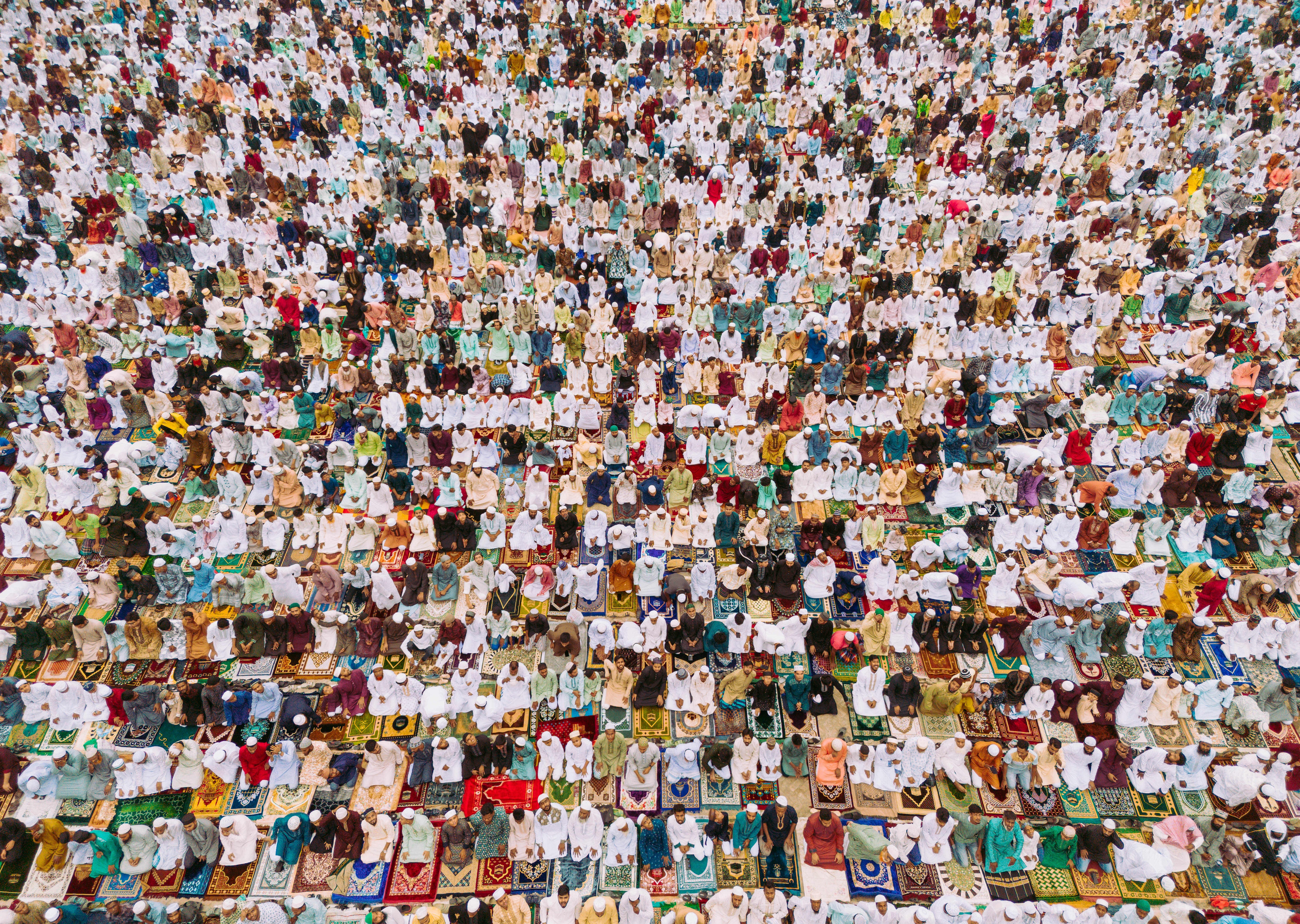
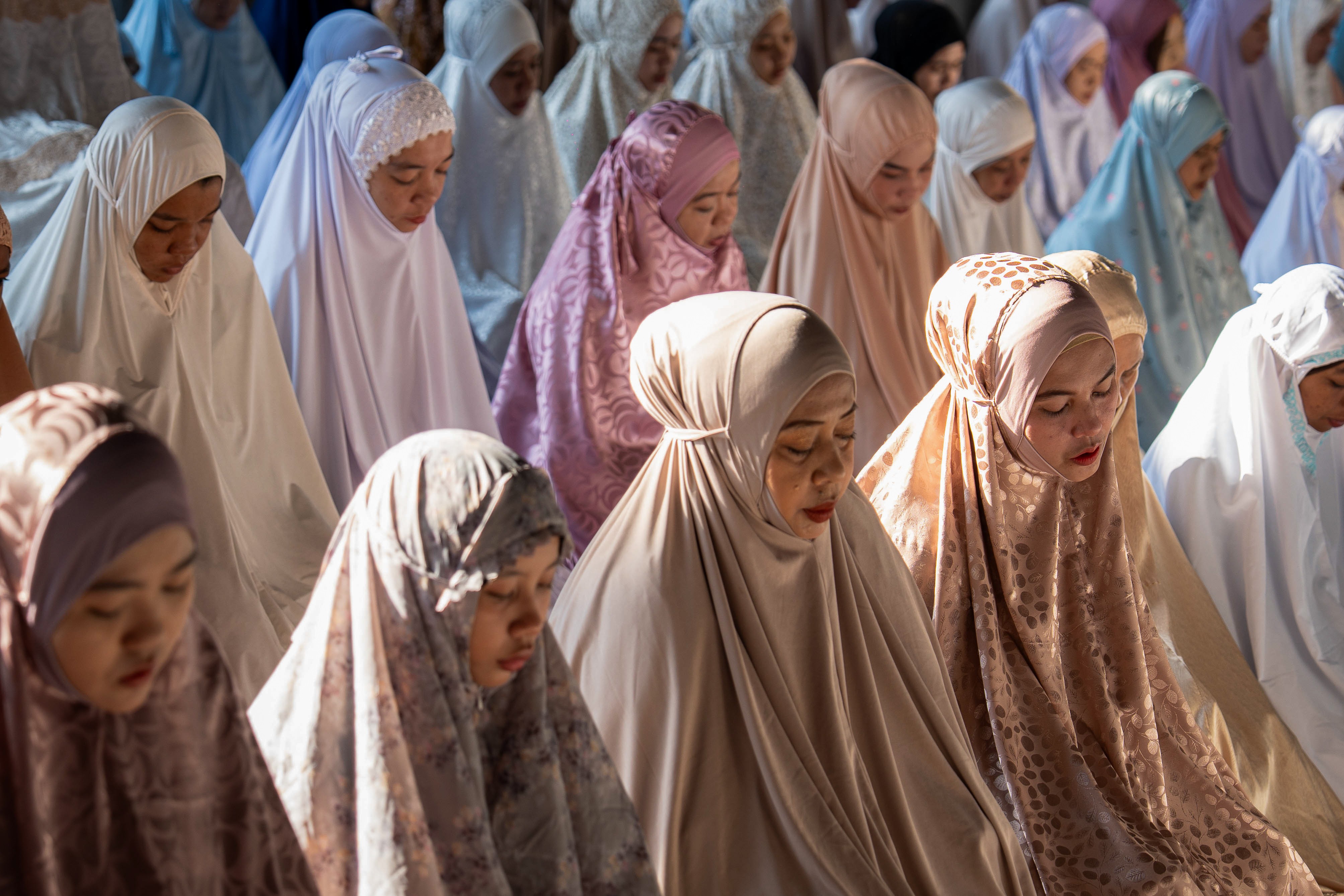
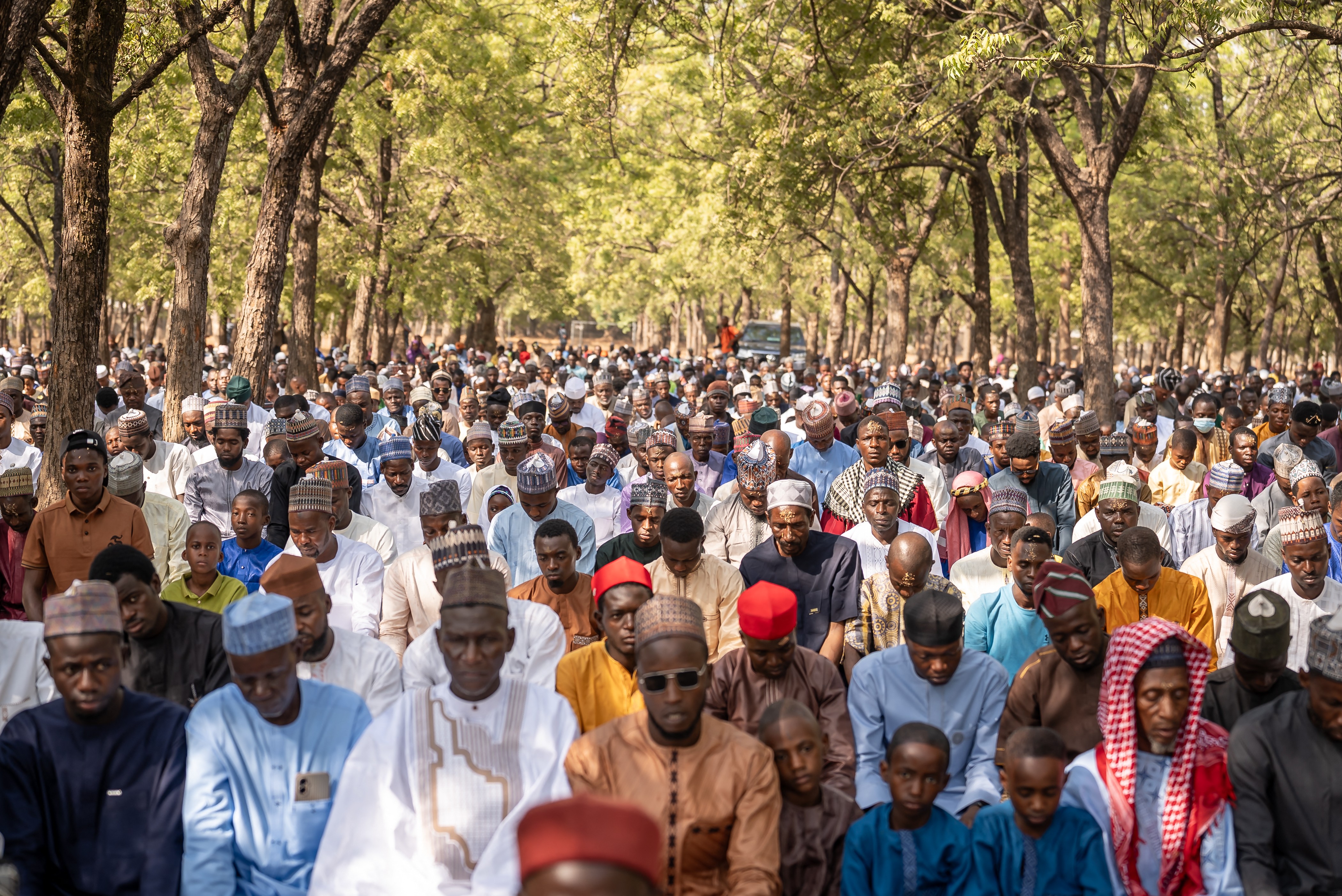
Eid al-Fitr, the festival marking the end of Ramadan, is a time of celebration, community, and reflection for Muslims around the world. The recent images captured during the 2026 celebrations, from the Seydina Limamou Lahi Al Mahdi Mausoleum in Dakar to the vibrant streets of Brooklyn, showcase not just the diversity of cultural expressions but also the shared sense of belonging that transcends geographical boundaries. These gatherings reflect a deep-rooted tradition of coming together in prayer and celebration, reinforcing the importance of community in a world often defined by division. In light of current events, such as the recent court ruling regarding Texas State University's dismissal of a professor and the ongoing challenges faced by students at institutions like Kentucky State University, the significance of communal support during festivals like Eid cannot be overstated.
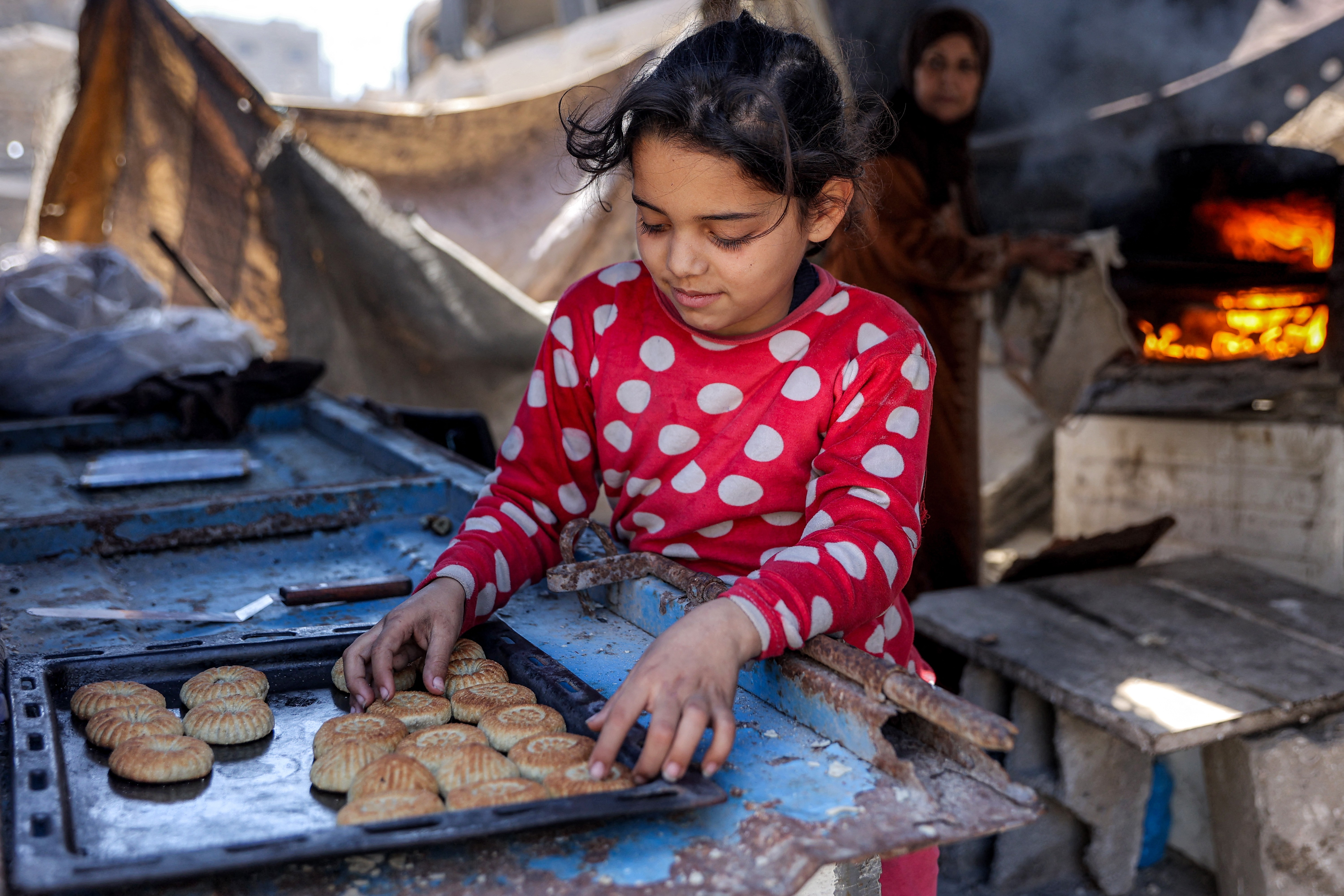
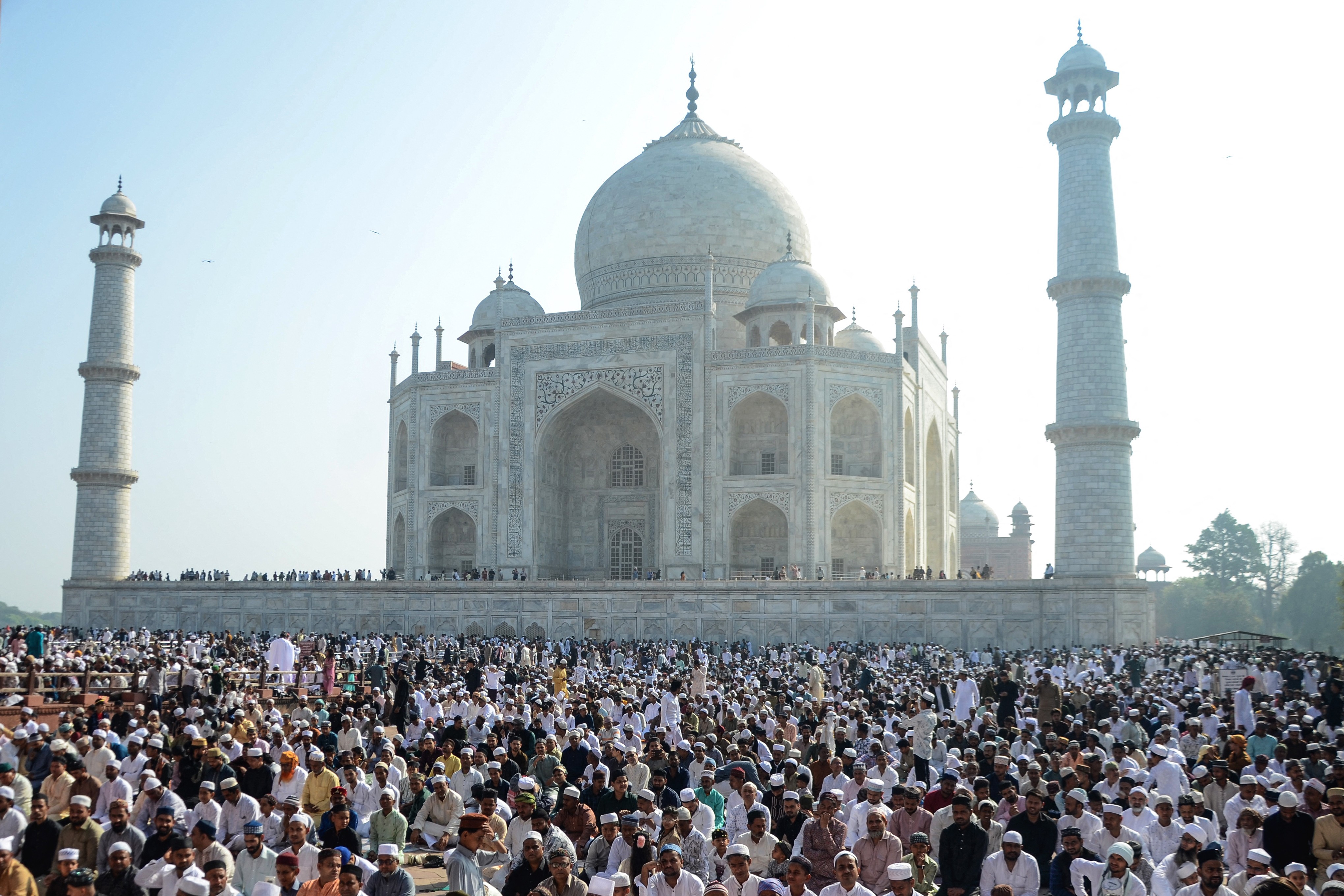

The photographs from various locations, including the Taj Mahal in Agra and the historic Badshahi Mosque in Lahore, do more than just document a religious observance; they highlight the resilience and joy of communities that come together to celebrate their faith and culture. In places like Gaza City, where a girl sorts traditional biscuits, or in Cape Town's Bo-Kaap, where people gather after prayers, these images evoke a sense of normalcy and hope amidst ongoing struggles. They remind us that while the world may be fraught with challenges, moments of joy and connection still persist. This is particularly poignant in contexts where community ties are tested, echoing the sentiment of many who find solace in shared experiences, whether through prayer, food, or celebration.
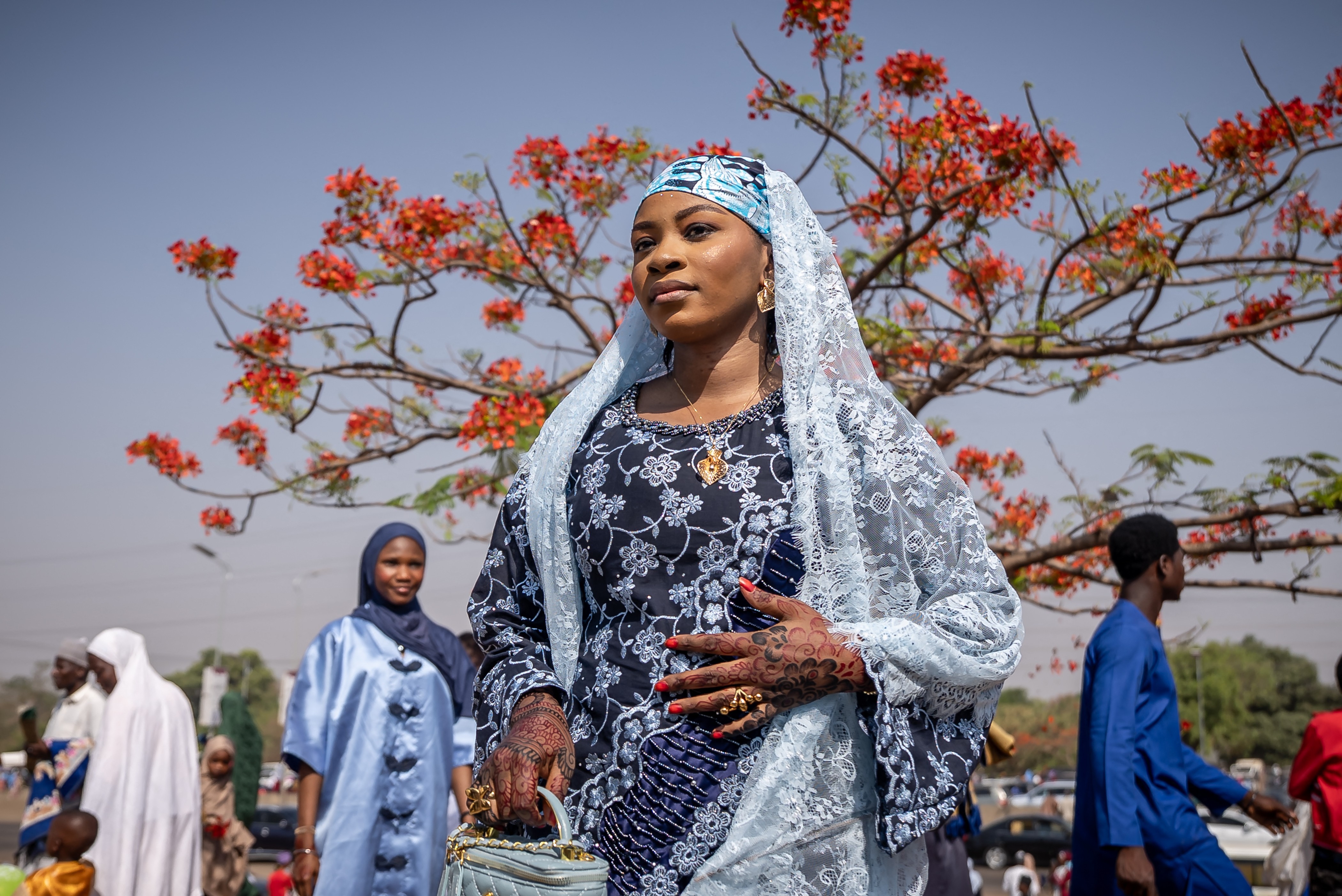
Moreover, these celebrations serve as a powerful reminder of the diversity within the Muslim community itself. From the snowy landscapes of Siberia to the bustling streets of Abuja, the ways in which Eid al-Fitr is observed reflect local customs and traditions, each adding a unique flavor to the festival. This diversity is crucial for fostering understanding and respect among different cultures, particularly in times when global tensions can overshadow the commonalities we share as humans. As we navigate through a landscape influenced by various social and political narratives, the imagery of Eid celebrations can help bridge gaps, encouraging dialogue and connection between communities.
Looking ahead, the importance of such gatherings will likely continue to resonate in our increasingly fragmented world. As we witness the ongoing impact of events like those at the University of Washington, where collaboration and community engagement are essential for progress, it becomes clear that the spirit of Eid al-Fitr embodies the very values we need to promote: belonging, growth, and mutual support. As we reflect on these celebrations, we should ask ourselves how we can foster a sense of community in our own lives, regardless of our backgrounds. How can we create spaces where joy, reflection, and support are at the forefront, just as they are during Eid? The answers to these questions may hold the key to a more connected and compassionate future.
Read on the original site
Open the publisher's page for the full experience