NCAA tournament and College Football Playoff could look much different in 2030s | Mailbag
Our take
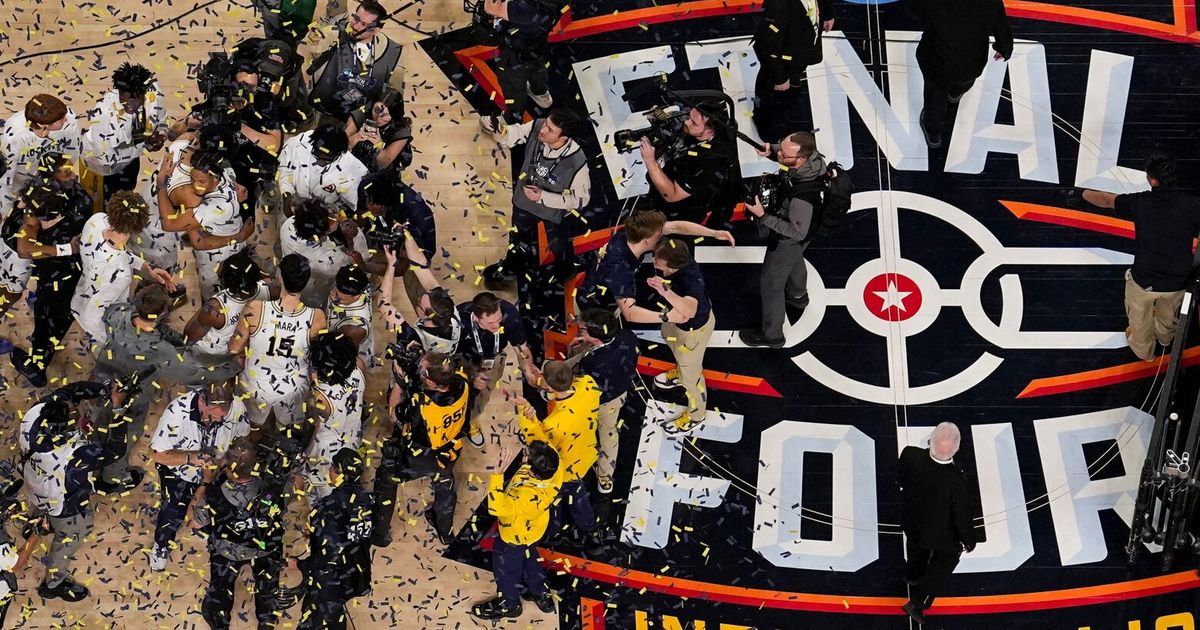
As the college sports landscape evolves, significant changes loom on the horizon for the NCAA tournament and College Football Playoff (CFP). With media rights deals set to expire in the early 2030s, the future of these iconic sporting events is ripe for speculation and discussion. According to a recent article, the potential for new broadcasting agreements could reshape how fans experience college sports, impacting everything from game accessibility to the overall financial health of athletic programs. This shift comes at a time when schools are navigating their own competitive landscapes, as highlighted in pieces like Washington Huskies men learn home and away Big Ten opponents and Nobel Prize winner and Husky alumna Mary E. Brunkow to address graduates at UW’s 151st Commencement that reflect the broader implications of these changes.
The expiration of these media rights deals is particularly significant because they dictate not only revenue streams for universities but also the accessibility of college sports to fans. As viewership habits shift, especially among younger audiences who favor streaming options over traditional cable, it is crucial for decision-makers to adapt. Will we see a more decentralized broadcasting model that allows for a wider variety of platforms? Or will traditional networks retain their grip on the content, perhaps leading to a more fragmented viewing experience? The answers could redefine how we connect with our favorite teams and players.
Moreover, college sports are not just about entertainment; they serve as a vital lifeline for many athletic departments. A shift in media rights could either bolster or cripple athletic budgets, influencing everything from scholarships to facilities. The stakes are high, especially for schools like Washington State University, where a robust athletic program can enhance campus life and community spirit. The implications go beyond the field; they touch on the identity of the institutions and the experiences of students and alumni alike.
As we look ahead, it’s important to consider the values that drive college athletics. Will financial incentives overshadow the essence of college sports, which is rooted in community and camaraderie? The rise of the “student-athlete” model emphasizes the importance of education and personal growth, but how will evolving media landscapes align with this mission? As we consider these questions, it’s essential to keep in mind that any changes should prioritize the well-being and development of student-athletes over commercial interests.
The coming decade in college sports is bound to be transformative, and the decisions made today will resonate for years to come. As the landscape shifts, we should remain vigilant and engaged, ensuring that our voices are heard in discussions about the future of college athletics. The question now is: how can we, as fans and community members, influence this evolution to ensure that the heart of college sports remains intact? It’s a conversation worth having as we gear up for a new era of competition and camaraderie.
The college sports landscape could look much different in the early 2030s with media rights deals for the College Football Playoff and the NCAA tournament set to expire.
Read on the original site
Open the publisher's page for the full experience