Man accused in killing of UW student Juniper Blessing found not competent
Our take
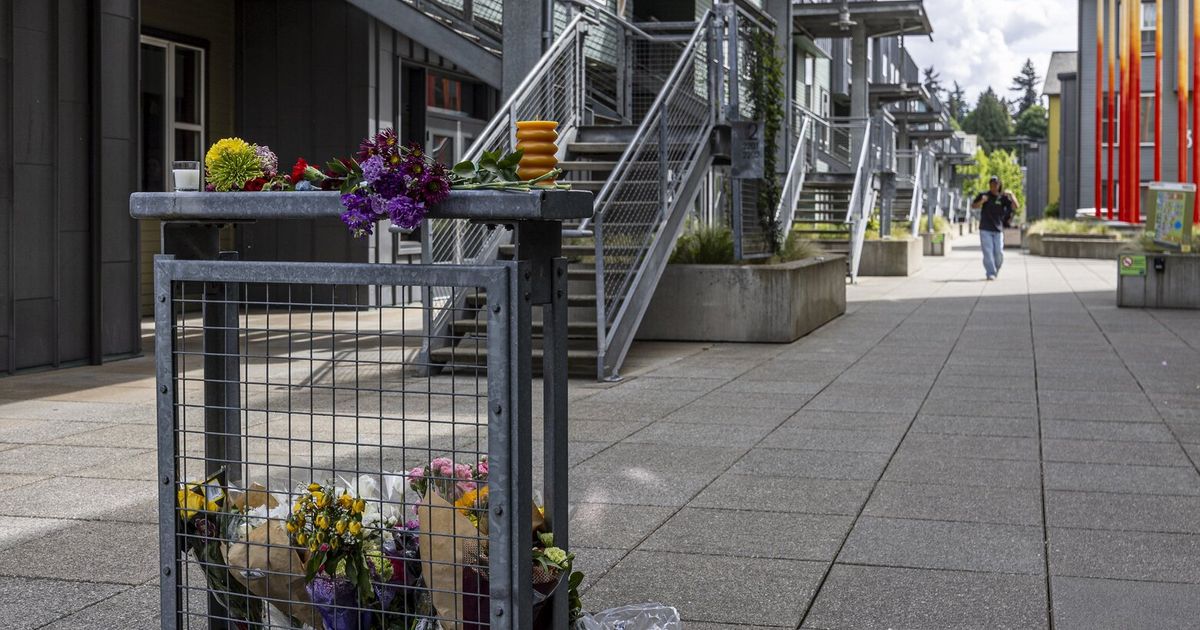
The news that Christopher Leahy, charged with the first-degree murder of University of Washington student Juniper Blessing, has been found not competent to stand trial is a stark and unsettling development. It underscores the complexities of the legal system and, more importantly, the profound mental health crisis impacting our communities. While the pursuit of justice for Juniper remains paramount, this ruling forces a shift in focus, demanding we confront the underlying issues that contribute to such tragedies. The initial shock and grief following Juniper's death were compounded by the seemingly straightforward narrative of a criminal act, but this legal finding throws that into sharper, more difficult relief. It’s a reminder that individuals involved in violent crimes often grapple with significant mental health challenges, and that a just outcome requires addressing these challenges alongside accountability. We’ve seen similar situations emerge, leading to debates about the intersection of criminal justice and mental healthcare, and this case will undoubtedly reignite those crucial conversations. It's worth considering how preventative measures, as discussed in WA school cellphone ban might not deliver results we want, could contribute to a safer environment for students and the wider community, though the connection is, of course, indirect and requires thoughtful exploration.
The decision to place Leahy in mental health treatment at Western State Hospital offers a glimmer of hope – a chance for him to receive the care he evidently needs. However, it doesn't alleviate the pain and loss felt by Juniper’s family, friends, and the entire UW community. The legal proceedings are paused, replaced by a focus on his mental wellbeing, but the question of accountability remains unresolved. This situation highlights the limitations of our current system: how do we balance the need for public safety with the responsibility to provide adequate mental health support? It’s a tightrope walk, made even more precarious when the stakes are this high. The recent excitement surrounding WSU's recruitment efforts, as detailed in Washington State, Kirby Moore stun with Rashaun Lavata’i’s commitment, demonstrates the vibrant energy on our campuses, a stark contrast to the shadow cast by this tragedy. It’s a reminder of the fragility of that vibrancy and the importance of fostering a culture of support and wellbeing. The sheer scale of events, even seemingly disparate ones like the spectacle at At the Great American State Fair, you can find a dinosaur’s rib cage. Unity is another matter, underscores the vastness of the world beyond individual tragedies, and the need to keep focusing on the important issues at hand.
The implications of this ruling extend beyond this specific case. It raises serious questions about the availability and accessibility of mental health services within our state, particularly for individuals who may be struggling but haven't yet reached a crisis point. Are we doing enough to prevent these situations from occurring in the first place? Are our schools, communities, and law enforcement agencies adequately equipped to identify and support individuals in distress? The fact that Leahy was deemed not competent suggests a potential failure in earlier intervention – a missed opportunity to provide the care he needed before it escalated to this point. The legal process, while necessary, is often reactive rather than proactive, and this case serves as a painful reminder of that limitation. It forces us to consider how we can shift toward a more preventative, community-based approach to mental health, one that prioritizes early intervention and comprehensive support systems.
Ultimately, the Juniper Blessing case, compounded by this competency finding, presents a challenge to our collective conscience. It’s a call for increased investment in mental health resources, a deeper understanding of the complexities of mental illness, and a commitment to creating a society where individuals struggling with these challenges receive the support they need, before tragedy strikes. The question now becomes: how will we, as a community, respond to this development and ensure that Juniper’s memory is honored not just with grief, but with meaningful action? What systemic changes, beyond the legal proceedings, are necessary to prevent similar situations from arising in the future, and what role can each of us play in fostering a more supportive and compassionate environment?
Christopher Leahy, who is charged with first-degree murder, has not entered a plea. He will receive mental health treatment at Western State Hospital.
Read on the original site
Open the publisher's page for the full experience