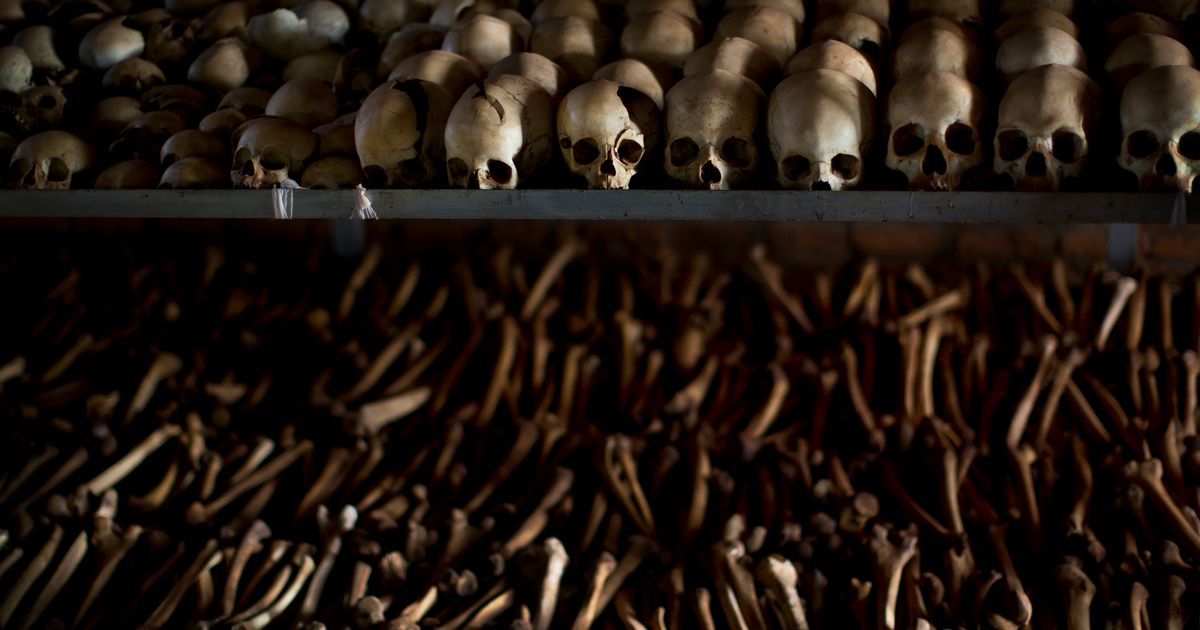
Thirty years is a long time to wait for a phone call that never comes. But for the family of a victim of the 1994 Rwandan genocide, a Dutch courtroom just delivered something that felt impossible: a life sentence for the man who took part in the killing. We think this verdict matters far beyond the courtroom, because it tells us something practical about how justice actually works. It is slow, it is imperfect, and it does not always happen in the country where the crime occurred, but it can still land.
This conviction is not a symbolic gesture. It is a concrete result of countries deciding that genocide is not someone else's problem. The Dutch court looked at a man living in their community, examined his role in a massacre that happened thousands of miles away, and said, "You are responsible." For our readers, especially students who are building lives and careers, this is a reminder that the choices we make about where we live and what we ignore have long tails. The Rwandan genocide did not end in 1994; it just moved into courts like this one. And for those of us studying law, international relations, or even just paying attention, this case shows that accountability is a craft, not a feeling. It involves witnesses, documents, and a willingness to look at ugly history without flinching.
What does this mean for us in practical terms? It means that global justice is not abstract. It is a system built by people who decided to show up. The Dutch court did not have to take this case, but it did, likely under universal jurisdiction, which allows countries to prosecute grave crimes regardless of where they happened. That is a real mechanism, not a slogan. It also means that survivors and their families do not have to rely solely on courts in Rwanda, which are still processing cases from the genocide. This verdict adds to a growing body of precedent that says perpetrators cannot just wait out the clock. If you are a student thinking about a career in human rights, or even just someone who cares about fairness, this is a win for the idea that evidence matters more than time passed.
But we should be honest about the limits here. One life sentence does not undo a genocide that killed an estimated 800,000 people. It does not bring back anyone, and it does not fix the systems that allowed such violence to happen in the first place. What it does do is set a marker. It says to other suspects living quietly in Europe, or anywhere else, that hiding is not a strategy. The open question we are watching now is whether other countries will follow this example. The Netherlands has shown that it is willing to do the hard work of investigating decades-old crimes. The detail to watch is whether this conviction encourages more victims to come forward and more states to act, or if it remains a rare exception. For now, we will take the win, and we will keep paying attention. That is what being a responsible citizen looks like, even when the news is from a place far from Pullman.