Judge to decide if Penn must produce records in probe of antisemitism at Ivy League school
Our take
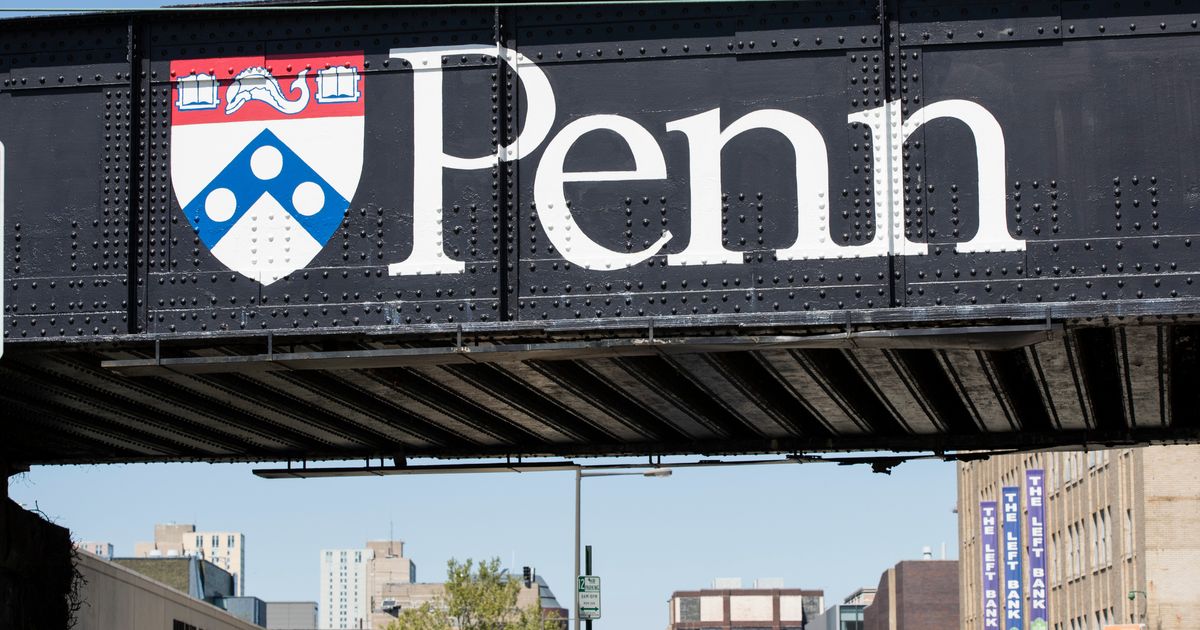
The ongoing investigation into antisemitism at the University of Pennsylvania has sparked a significant legal debate, as a federal judge weighs the government's power to compel the university to disclose detailed employee information. This case is not just about the particulars of one institution; it reflects broader societal issues regarding academic freedom, institutional accountability, and the delicate balance between protecting free speech and combating hate. In light of recent controversies, such as the Court Rules Texas State Must Reinstate Prof Fired for Israel-Palestine Talk and the ongoing legal struggles at Kentucky State University where students and alumni are suing to block a new state law, this situation at Penn is emblematic of the challenges faced by universities in navigating these complex waters.
The request for detailed employee information raises critical questions about privacy and the extent to which universities are responsible for monitoring and addressing hate speech within their communities. For students, faculty, and staff at Penn, the implications of this ruling could resonate deeply. If the court decides in favor of the government, it may set a precedent that allows for greater scrutiny and oversight of university operations, potentially stifling open dialogue and academic exploration. Conversely, if the university is allowed to protect its internal communications, it may be seen as a failure to adequately address antisemitism, further alienating affected communities. This dilemma highlights the tension between ensuring a safe and inclusive environment and upholding the principles of academic freedom that are fundamental to higher education.
As we examine the nuances of this case, it’s essential to consider how the responses from Penn and similar institutions may influence the broader academic landscape. The growing scrutiny on how universities handle issues of hate speech and discrimination reflects a societal shift towards demanding accountability from educational leaders. This scrutiny is not limited to antisemitism; it encompasses a wide variety of issues, including racism, sexism, and other forms of discrimination. Institutions like the University of Washington, which are taking proactive steps to address such issues—like their initiative to decipher beluga calls to bolster conservation efforts—are examples of how universities can lead by example and create spaces for constructive dialogue.
Looking ahead, the outcome of this case will be crucial in shaping the future of university governance and the extent to which institutions can protect their internal processes while still being accountable to their communities. As students and faculty watch closely, this ruling could signal a shift in how universities must approach claims of discrimination and hate speech moving forward. Will institutions prioritize transparency over autonomy, or will they maintain a stronghold on their internal affairs in the name of academic freedom? These are important questions that will continue to resonate throughout the academic community and beyond, influencing policies and practices for years to come.
A federal judge is weighing whether the government can force the University of Pennsylvania to hand over detailed employee information in an antisemitism investigation.
Read on the original site
Open the publisher's page for the full experience