Is the U.S. in a politically violent age? What the data and history say
Our take
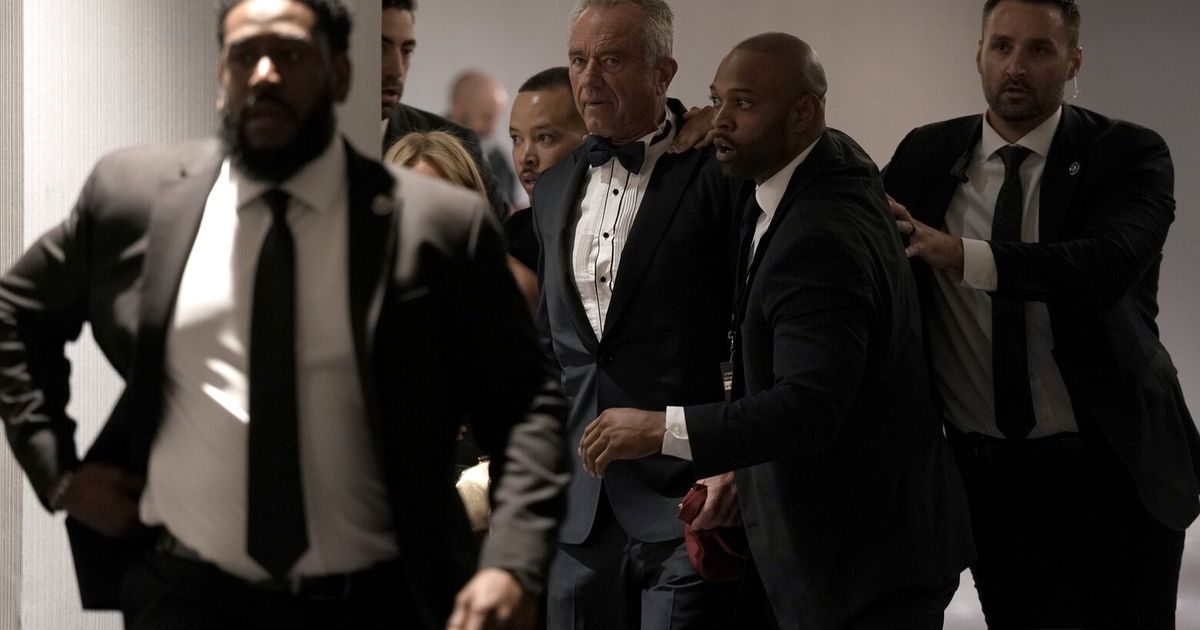
The question of whether the U.S. is in a politically violent age is more than just an academic inquiry; it speaks to the very fabric of our society and how we navigate our differences. In a thought-provoking piece, a professor of government at Dartmouth College and a fellow at the Hoover Institution sheds light on the troubling trend of political violence in the U.S. This conversation emerges against a backdrop of recent events, such as the court ruling in Court Rules Texas State Must Reinstate Prof Fired for Israel-Palestine Talk, which highlights the tensions surrounding academic freedom and discourse. Such incidents serve as a microcosm of larger societal dynamics, where the lines of civility are increasingly blurred.
The data and historical context presented by the professor underline the reality that political violence is not a new phenomenon. Rather, it has deep roots in the American experience, shaped by everything from civil rights struggles to modern-day protests. As we reflect on this history, it becomes clear that the current climate of heightened partisanship and polarization is magnifying these issues. The recent article on How Peer Mentoring Supports Neurodivergent Students reminds us that fostering community and understanding can be crucial in countering divisive rhetoric. However, as we see more acts of violence connected to political disagreements, the question must be asked: how do we cultivate environments that promote dialogue rather than discord?
One of the key takeaways from the professor's analysis is the role of social media in amplifying political violence. Platforms that once served as spaces for connection can now act as echo chambers, where extreme views proliferate and dissent is met with hostility. This evolution raises critical concerns about the responsibility of technology companies and how they can better moderate content to prevent real-world harm. As students at WSU and beyond navigate these contentious waters, it’s essential to engage in conversations about the ethical implications of our online interactions and to advocate for accountability from the platforms we use daily.
Looking ahead, we must consider what a politically stable future could look like in the U.S. Can we reclaim spaces for constructive dialogue without fear of violence or retribution? As we grapple with these questions, it becomes imperative for communities, especially on college campuses, to prioritize inclusivity and respect. The collective effort of students, educators, and local organizations can play a pivotal role in shaping a culture that values understanding over aggression. In a time when we might feel weary or overwhelmed, it’s crucial to remember that meaningful change starts at the grassroots level. How will we, as a community, commit to fostering a more respectful and empathetic discourse moving forward? The answers may guide us toward a future where political differences don’t lead to violence but rather to growth and understanding.
A professor of government at Dartmouth College and fellow at the Hoover Institution who tracks acts of violence and the reaction to them discusses political violence in the U.S.
Read on the original site
Open the publisher's page for the full experience