Federal agents must limit tear gas for now at protests outside Portland ICE building, judge says
Our take
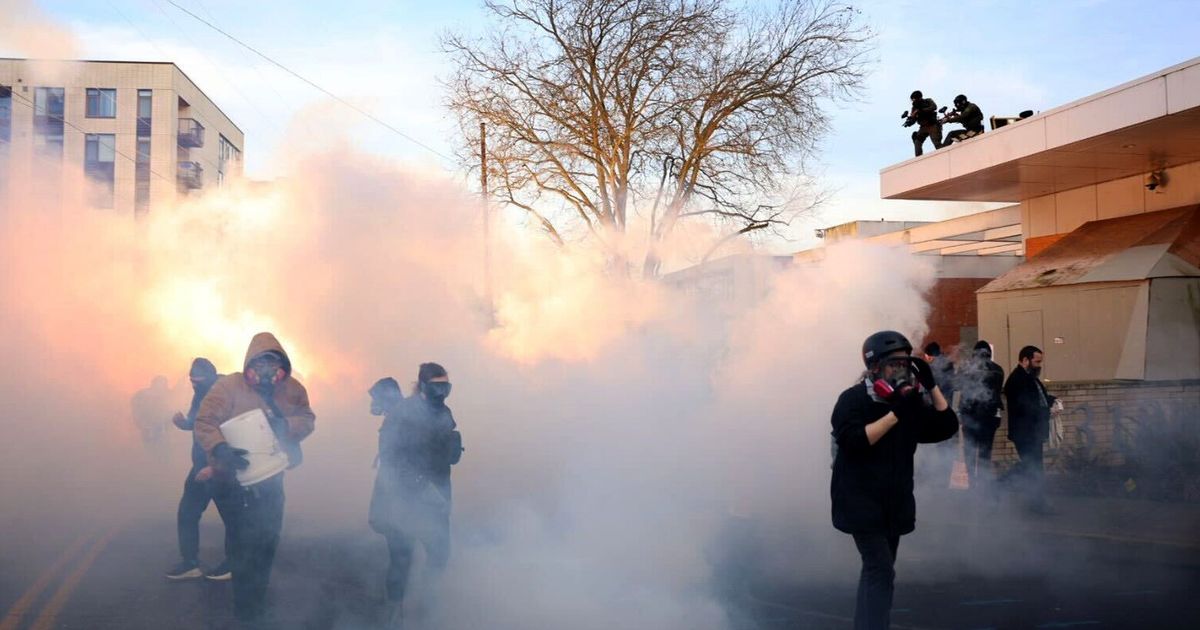
In a pivotal moment for civil liberties and community safety, a judge in Oregon has temporarily restricted federal officers from deploying tear gas at protests outside the U.S. Immigration and Customs Enforcement (ICE) building in Portland. This ruling comes amidst ongoing tensions surrounding immigration enforcement and the rights of individuals to peacefully assemble and express dissent. The decision raises significant questions about the balance between law enforcement tactics and the protection of civil rights, particularly as protests have become a focal point for broader movements advocating for social justice.
The use of tear gas, a contentious crowd-control measure, has been criticized for its potential to escalate rather than de-escalate volatile situations. As we’ve seen in related incidents, such as the WA state board fines Ferguson for ethics violation and the man who sprayed vinegar at Rep. Ilhan Omar during town hall pleads guilty to assault, the atmosphere surrounding public demonstrations can easily become charged, leading to unforeseen consequences. The judge’s ruling is a necessary intervention that acknowledges the importance of maintaining a safe environment for protesters while also addressing the broader implications of federal authority in local matters.
This decision could set a precedent not only for Portland but for other cities grappling with similar issues. The ongoing struggles surrounding immigration policies and enforcement practices often incite passionate responses from communities affected by these policies. The restriction on tear gas usage signals a shift towards greater accountability for federal actions and a recognition of the role that local courts can play in safeguarding public assembly rights. It underscores the necessity for law enforcement agencies to adopt strategies that prioritize de-escalation and community engagement rather than reliance on potentially harmful crowd control methods.
Moreover, this ruling may resonate with a generation increasingly concerned about the implications of government overreach and the militarization of police forces. As young activists push for change, the conversation around the tactics used by law enforcement at protests will likely evolve. The outcome of this case could inspire similar legal challenges across the nation, encouraging more communities to scrutinize the methods employed by federal agents during public demonstrations.
Looking ahead, the question remains: How will this ruling influence the tactics of law enforcement in Portland and beyond? As protests continue to shape the national dialogue on immigration and civil rights, it will be crucial for local governments and communities to engage thoughtfully with the implications of this decision. The balance between safety and civil liberties is delicate, and the ongoing dialogue surrounding this issue will play a significant role in shaping the future of public protests in America. As we observe the unfolding developments, it’s essential to consider how communities can come together to advocate for both justice and safety in a manner that respects the rights of all individuals.
A judge in Oregon has temporarily restricted federal officers from using tear gas at protests at the U.S. Immigration and Customs Enforcement building in Portland.
Read on the original site
Open the publisher's page for the full experience