Dr. Kermit Gosnell, convicted of killing babies at Philadelphia abortion clinic, dies at 85
Our take
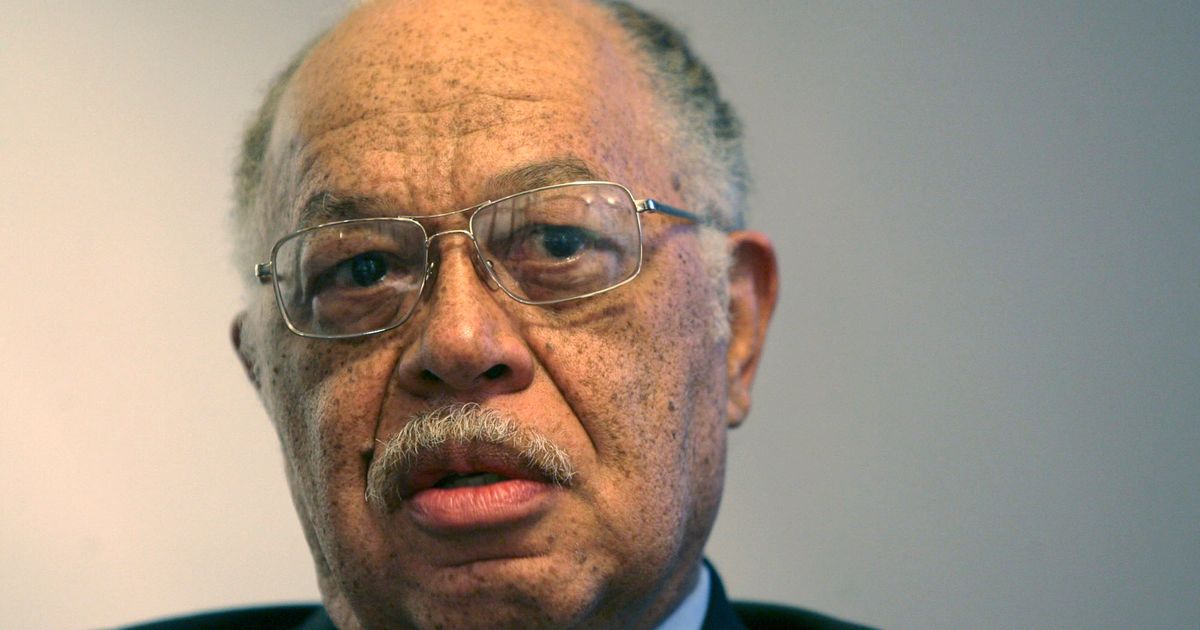
The death of Dr. Kermit Gosnell at the age of 85 marks a significant moment in a deeply contentious chapter of American reproductive health history. Convicted of heinous crimes including the murder of newborns who survived his abortion procedures, Gosnell's actions have sparked widespread outrage and debate over the ethics and regulations surrounding abortion clinics in the United States. This case has drawn parallels to ongoing discussions about reproductive rights and healthcare access, much like the debates highlighted in other recent articles, such as How Peer Mentoring Supports Neurodivergent Students and UW researchers decipher beluga calls to bolster conservation efforts, which also explore the importance of ethical considerations in their fields.
Gosnell's clinic was a stark reminder of the potential consequences of inadequate oversight in healthcare facilities, particularly those involved in complex and controversial procedures like abortion. His trial and subsequent conviction laid bare not just the actions of one man, but the systemic failures that allowed such abuses to occur. Critics argue that Gosnell's case has been used to further stigmatize abortion and undermine the broader conversation about women's rights and reproductive health. As a community, we must reflect on how to balance the need for regulation without creating an environment that leads to fear-mongering and misinformation about reproductive choices.
The implications of Gosnell's actions extend beyond individual accountability; they raise critical questions about the state of reproductive health services in America. In many ways, the conversation mirrors the discussions happening in academia and beyond, as seen in debates over academic freedom and ethical responsibilities, like those surrounding the Rutgers Faculty Split Over Decision to Disinvite Commencement Speaker. Just as educators grapple with the responsibilities of their roles, healthcare providers face ethical dilemmas that require constant vigilance and accountability.
As we move forward, it’s important to consider how Gosnell’s death could influence public perception and policy surrounding reproductive rights. Will it serve as a catalyst for reforming regulations in abortion clinics, or will it further polarize an already divisive issue? The legacy of Gosnell’s actions may also prompt a deeper examination of the complex realities faced by women seeking abortions and the healthcare professionals who support them.
In a time where reproductive rights are at the forefront of political discourse, the death of Kermit Gosnell serves as a somber reminder of the consequences of unregulated practices and the imperative to protect both patients and providers in the healthcare system. As we engage in these important conversations, it’s worth asking: how can we ensure that all voices are heard, and that the rights and well-being of women are prioritized in our ongoing debates about reproductive health?
Philadelphia abortion clinic doctor Kermit Gosnell, who was sentenced to life in prison for killing babies that had been born alive, has died.
Read on the original site
Open the publisher's page for the full experience