Cuts to WA preschool programs threaten access, study says
Our take
The recent report highlighting Washington's dismal ranking of 34th nationwide in preschool enrollment for 4-year-olds, despite spending more per student than many states, raises pressing questions about the future of early childhood education in the Evergreen State. As a community that values growth and opportunity, the implications of these findings extend beyond mere statistics; they touch the very fabric of our society. With programs facing cuts, we must ask ourselves: what does this mean for our children, families, and ultimately, our state’s future?
In Washington, the investment in early education has been touted as a priority, yet the results tell a different story. Many families are left without access to quality preschool education, which is crucial for cognitive and social development during the formative years. The report indicates that while financial resources are available, they are not being effectively utilized to enhance enrollment. This is a disheartening reality that echoes the concerns seen in other areas of education and public service, similar to the recent Court Rules Texas State Must Reinstate Prof Fired for Israel-Palestine Talk and the ongoing challenges facing students in Kentucky with the Kentucky State University Students, Alumni Sue to Block New State Law. These issues collectively illustrate a troubling trend in education policy across the nation, where funding does not always translate into improved access or quality.
The low enrollment numbers are particularly concerning in a state known for its progressive values and commitment to educational equity. The early years are critical for setting children on a path of success, and without a solid foundation, we risk perpetuating cycles of disadvantage. As we balance ambition with community, it’s essential to recognize that what happens in preschool can have lasting effects on a child's educational journey. Investing in early education is not merely a budgetary concern but a societal imperative that shapes the future workforce and citizenry of Washington.
Moreover, the cuts to preschool programs threaten not only educational access but also the broader community fabric. Early education programs often serve as community hubs where families connect, resources are shared, and children learn vital social skills. Removing funding from these programs diminishes opportunities for community engagement and support, further isolating families who may already be struggling. As we navigate our busy lives, these programs often provide a crucial lifeline for parents balancing work and family commitments.
Looking ahead, we must advocate for policies that prioritize early education funding and access. The question remains: how can we ensure that every child in Washington has the opportunity to attend preschool? It’s vital for community members, educators, and policymakers to engage in conversations that drive meaningful change. By channeling our collective energy into building robust preschool programs, we can create an environment where every child has a fair chance to succeed, ultimately benefiting our entire community. As we reflect on these findings and their implications, let's commit to being proactive and ensuring that future generations of Cougs have the educational foundation they deserve.
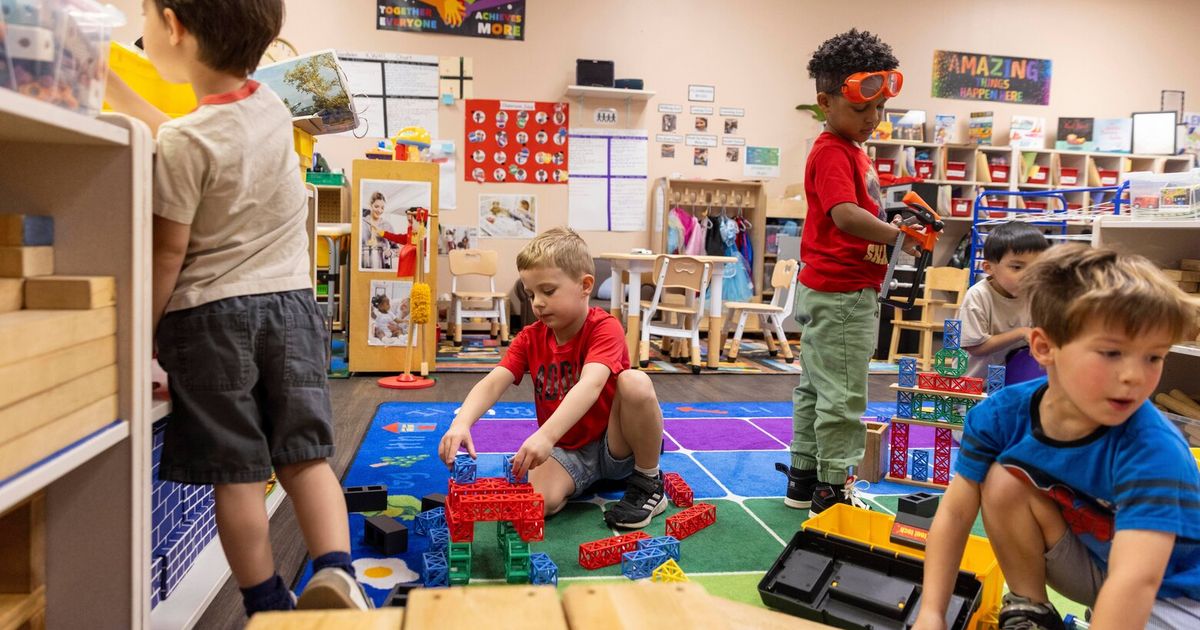
Washington ranks 34th nationwide in terms of 4-year-olds enrolled in preschool, yet spends more per student than most other states, a new report finds.
Read on the original site
Open the publisher's page for the full experience