California says State Farm violated the law in handling of insurance claims after 2025 LA wildfires
Our take
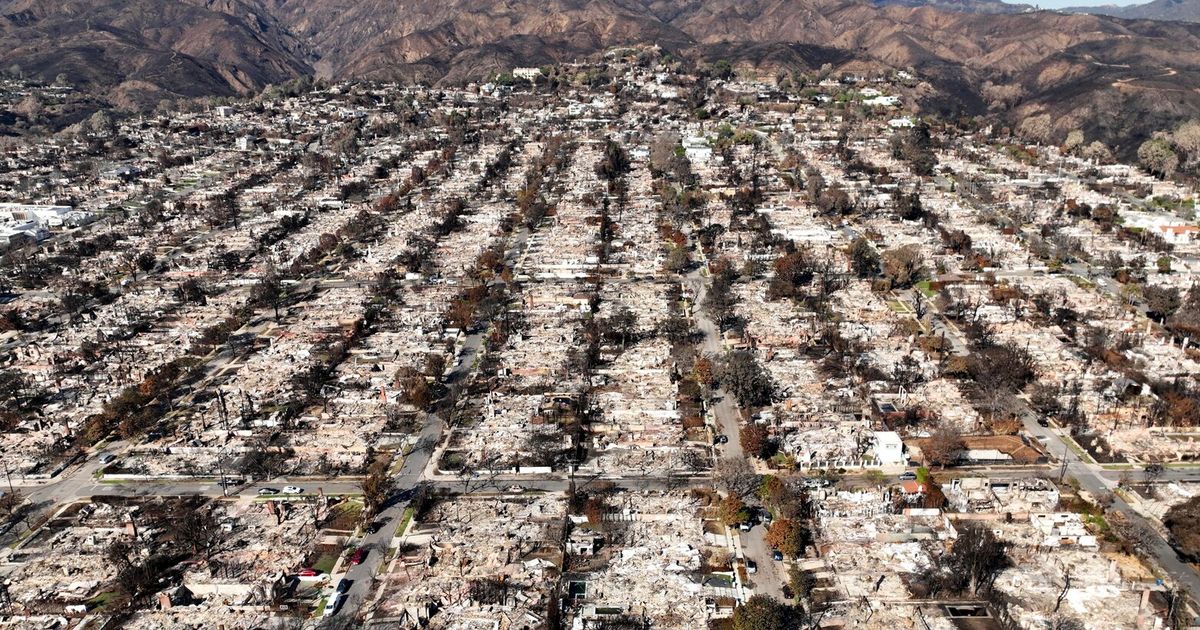
California’s top insurance regulator just dropped a hefty penalty bill on State Farm for how it handled claims after the 2025 Los Angeles‑area wildfires. The agency says the insurer sidestepped state law, delayed payouts and left dozens of homeowners scrambling for repairs while the ash was still settling. It’s a reminder that even the biggest names can stumble when disaster meets bureaucracy, and it hits close to home for anyone who’s ever watched a claim process feel more like a waiting room.
Why does this matter beyond the headline? First, the penalties—projected in the millions—signal that California is willing to enforce its consumer‑protection statutes, not just issue polite reminders. That matters for us Cougs who are watching the state’s climate‑policy moves, because the same regulatory muscles could flex on other sectors, from renewable‑energy financing to campus‑building insurance. Second, the case exposes a pattern of “slow‑and‑low” claims handling that has become all too familiar after wildfires in Oregon, Washington and now California. When a policyholder’s roof is gone, the clock on a claim is also the clock on their ability to get back to work, school or simply feel safe at home. That ripple effect reaches our dorm rooms, our part‑time gigs, and the community centers we volunteer at. If insurers can’t keep pace, the whole recovery ecosystem stalls.
The regulator’s findings also raise a practical question for students and young professionals who are starting to think about renters or first‑home insurance: how do you know a company will actually stand behind you when the smoke clears? The answer isn’t in glossy ads; it’s in the fine print of state law and the track record of enforcement. State Farm’s alleged violations—such as under‑estimating damage, requiring excessive documentation, and failing to assign adjusters within the statutory timeframe—are exactly the red flags we should be watching. For those of us balancing a class schedule, a side hustle and a limited budget, a delayed payout can mean the difference between a quick fix and a month‑long scramble for temporary housing.
There’s also a broader equity angle. Wildfire‑impacted neighborhoods often include low‑income renters and families of color who already face housing insecurity. When an insurer drags its feet, the burden shifts to local nonprofits, shelters and, ultimately, the taxpayers who fund emergency services. The regulator’s move to levy penalties could act as a deterrent, nudging other insurers to tighten their claims processes before the next blaze hits. It’s a small win for community‑first values, but it also underscores how policy enforcement can be a lever for social justice.
Looking ahead, we should keep an eye on how State Farm responds. Will they settle, appeal, or try to overhaul their claims workflow? More importantly, will the regulator use this case as a template to audit other insurers, perhaps even those handling campus‑related risks like dorm fire safety or flood insurance for nearby research labs? The next chapter will tell us whether this penalty is a one‑off slap on the wrist or the start of a tighter, more accountable insurance landscape in the West. For now, the takeaway is clear: when disaster strikes, the real fire‑fighting starts in the claims office, and it’s up to regulators, consumers and us to make sure the heat stays on the right side of the law.
California’s top insurance regulator says the state is seeking millions of dollars in penalties from State Farm after an investigation found the insurance company violated state law while handling claims from the 2025 Los Angeles-area wildfires.
Read on the original site
Open the publisher's page for the full experience